Exhibition Photos
Opening & Performance
Photographer: Huang Xinyuan
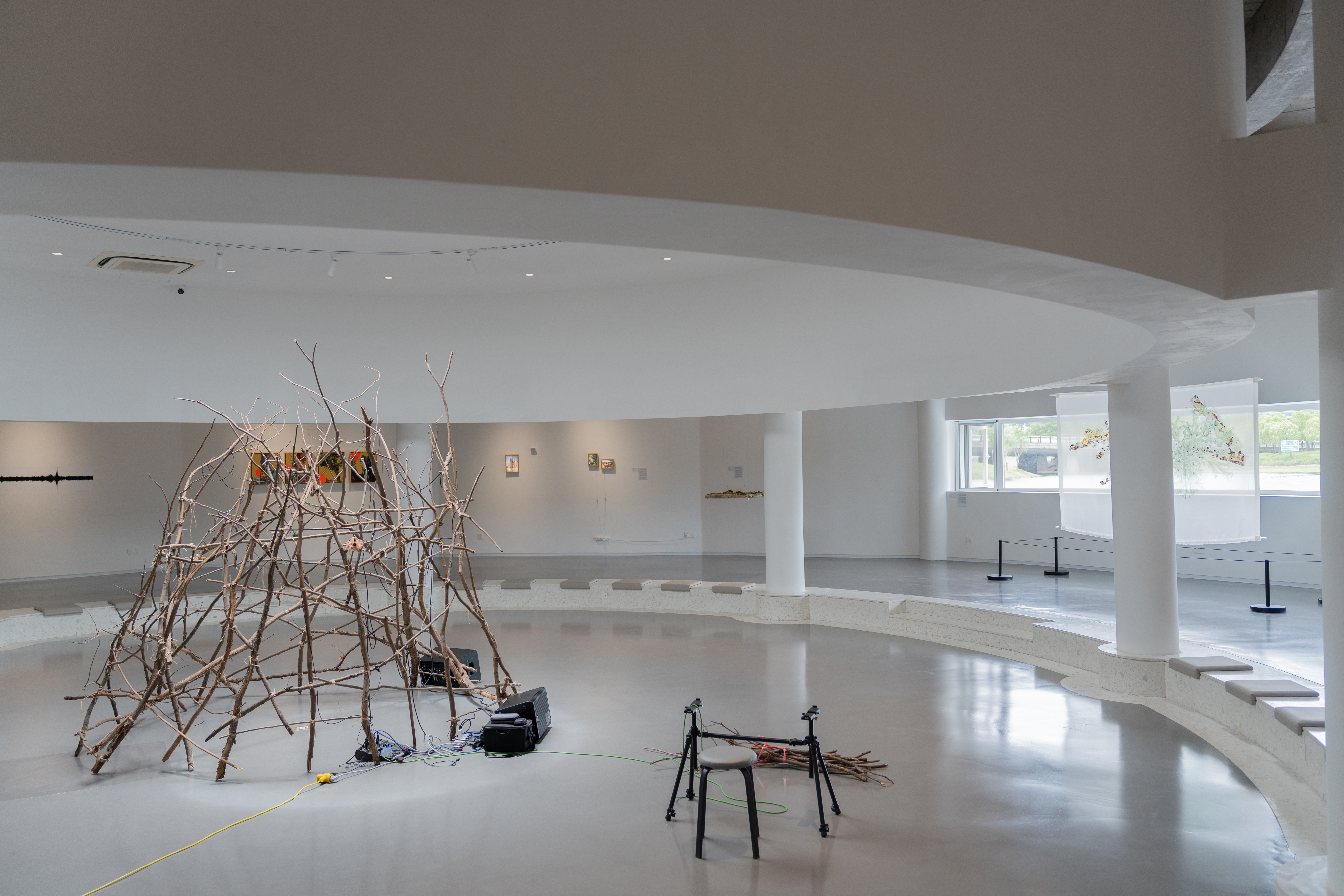
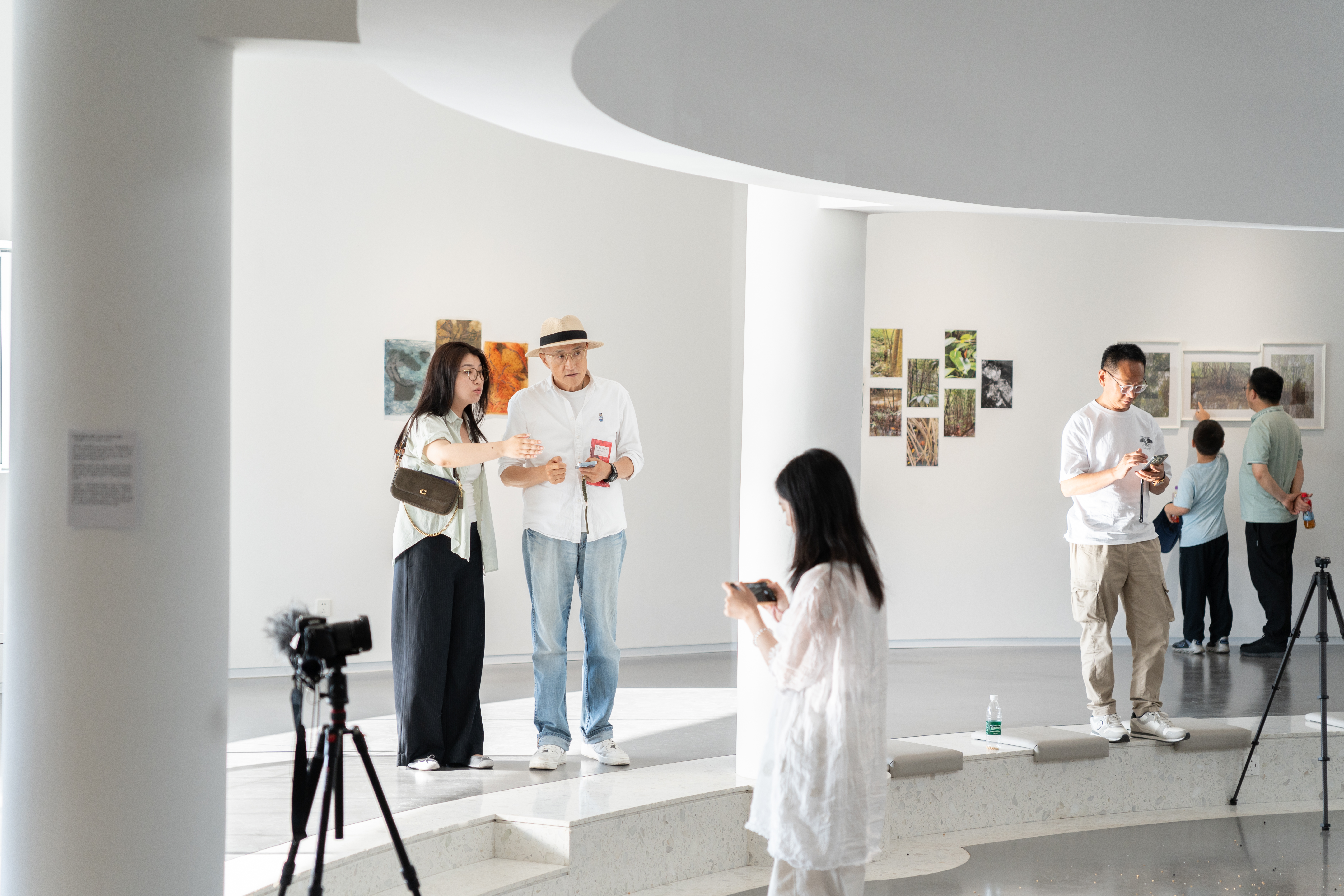
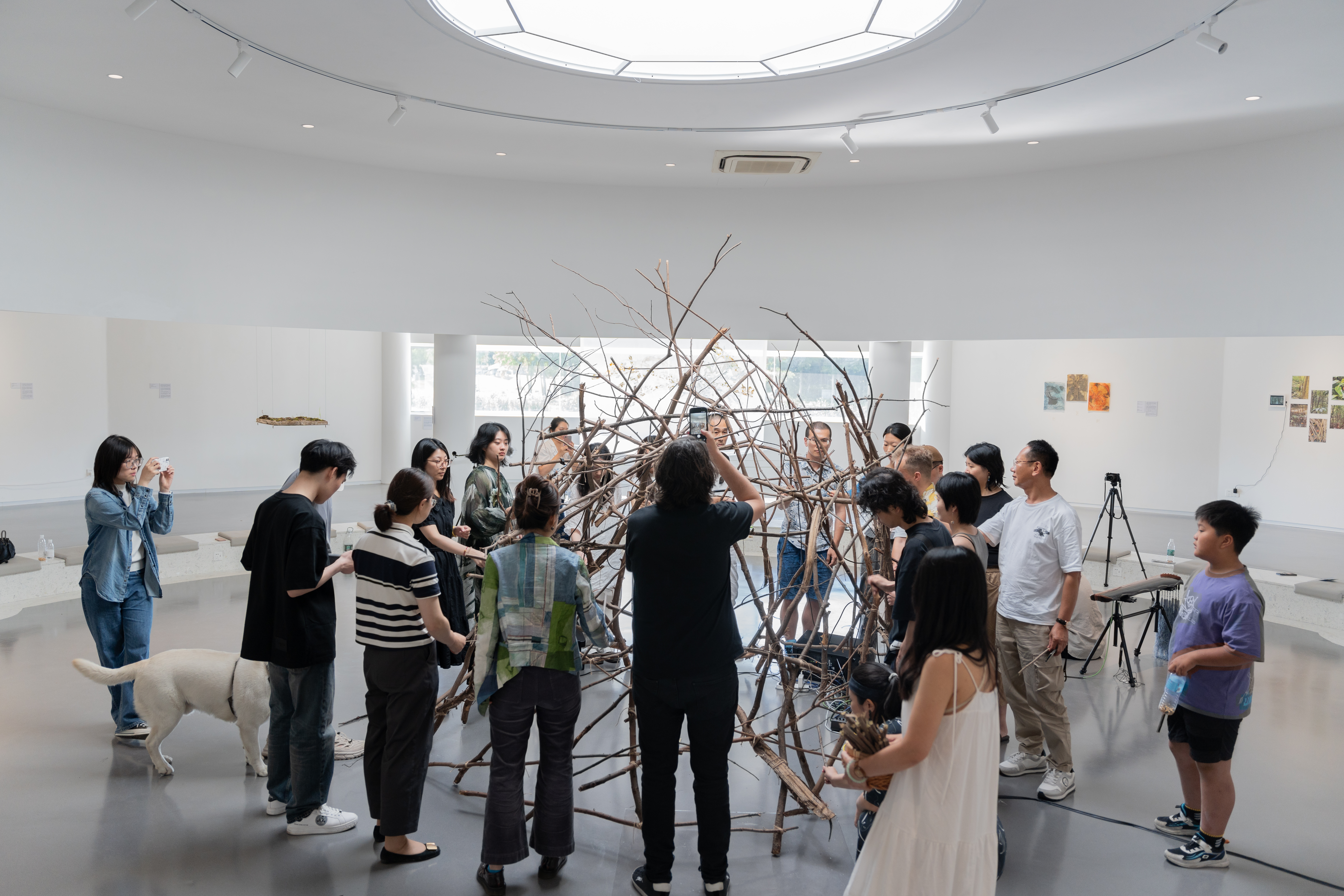
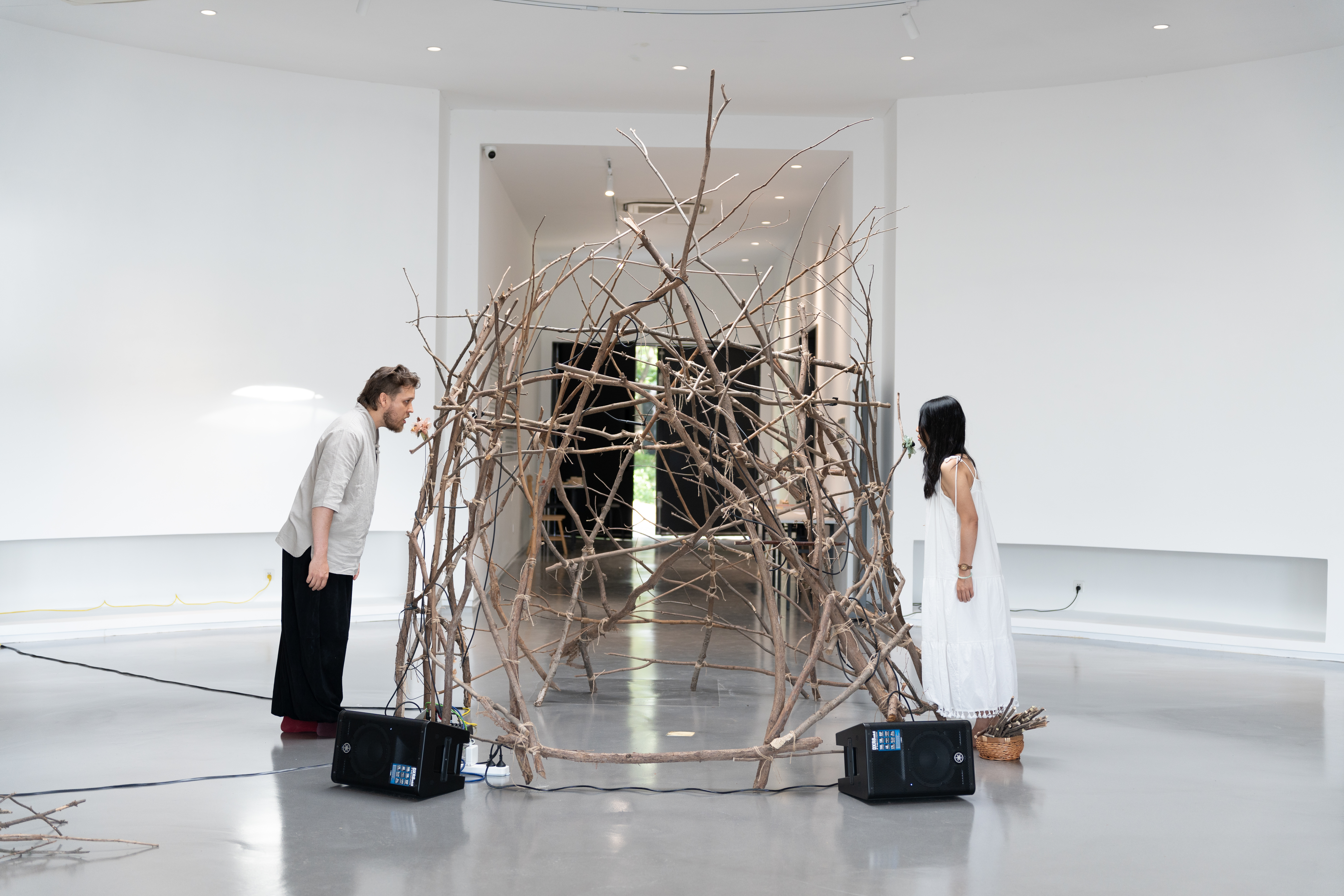
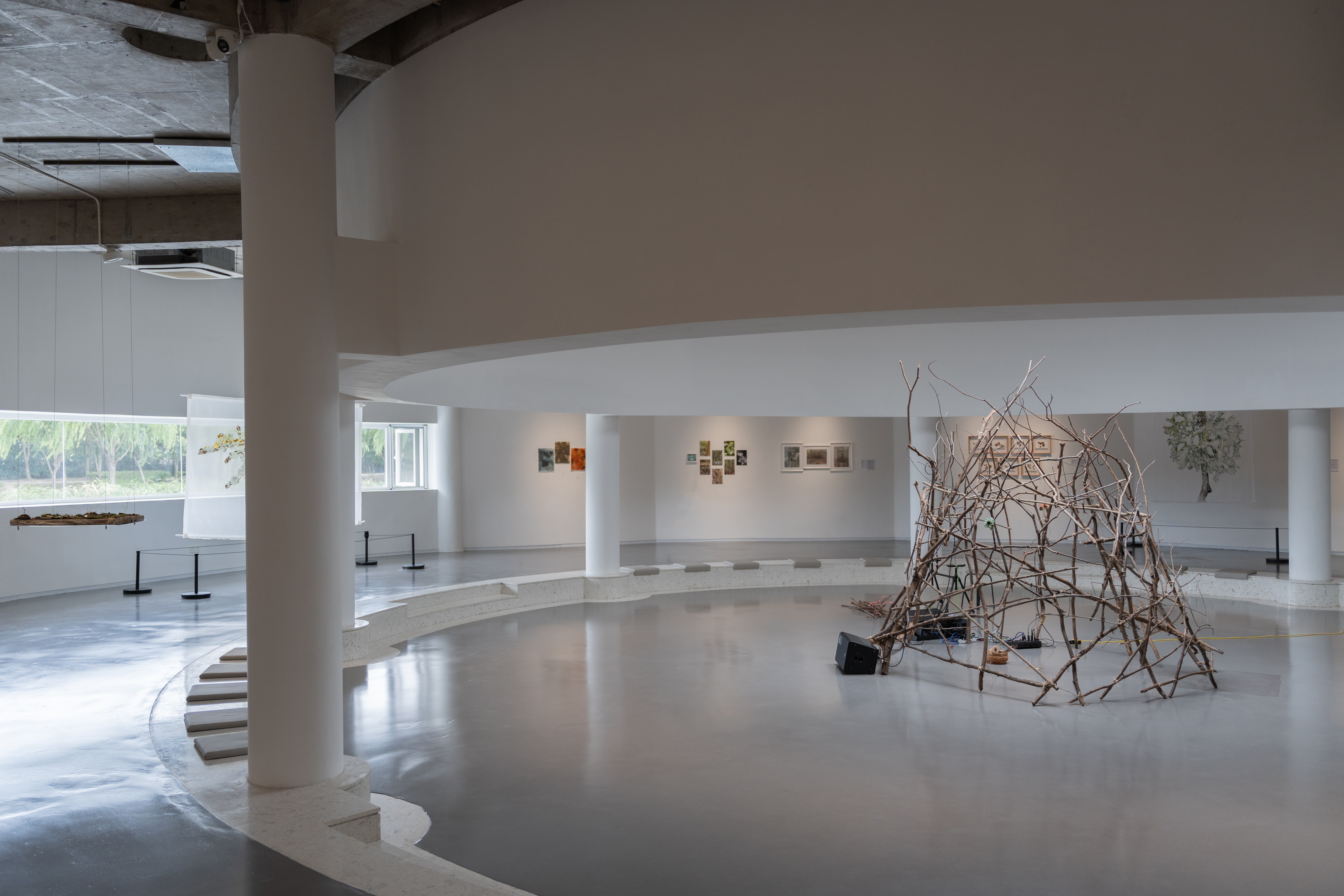
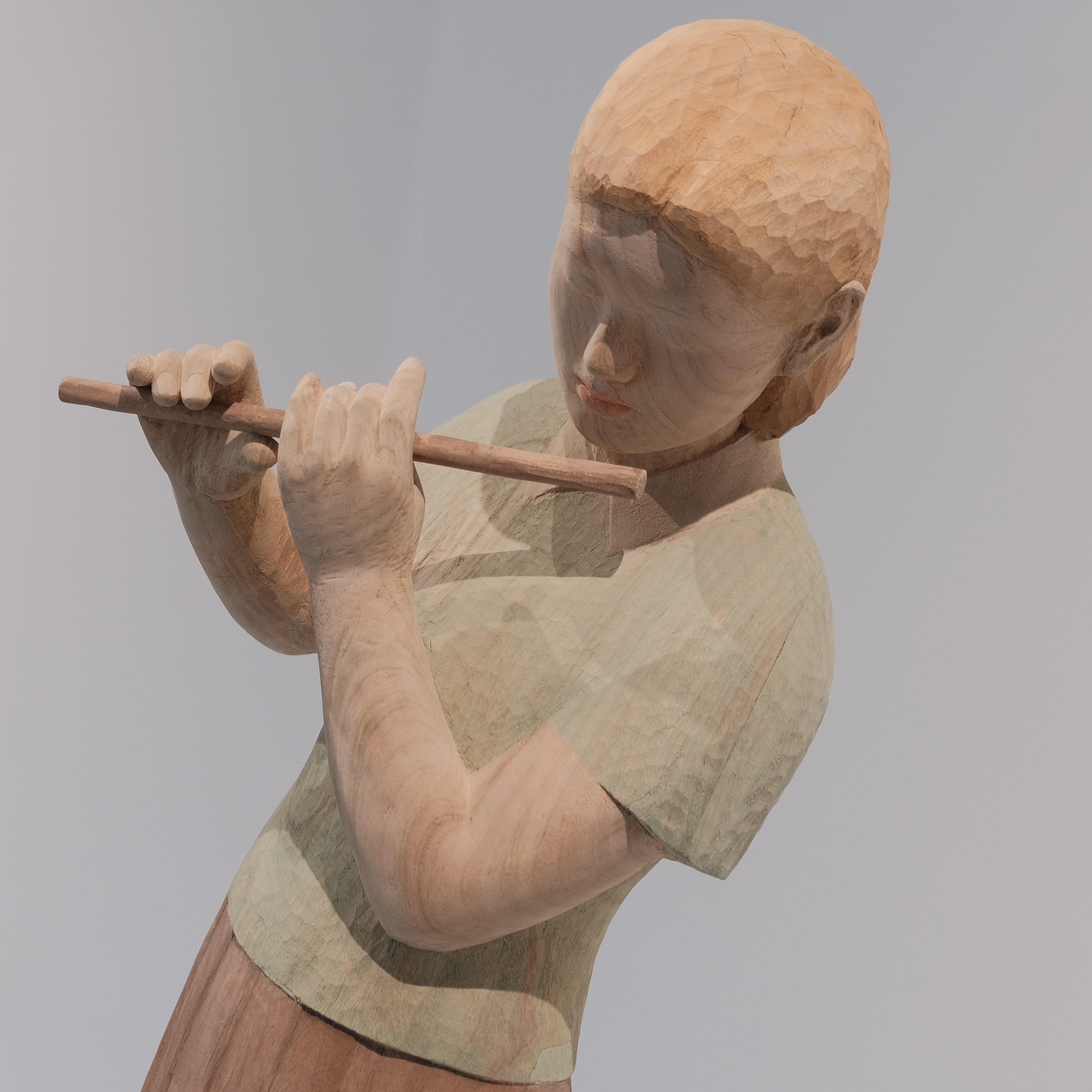
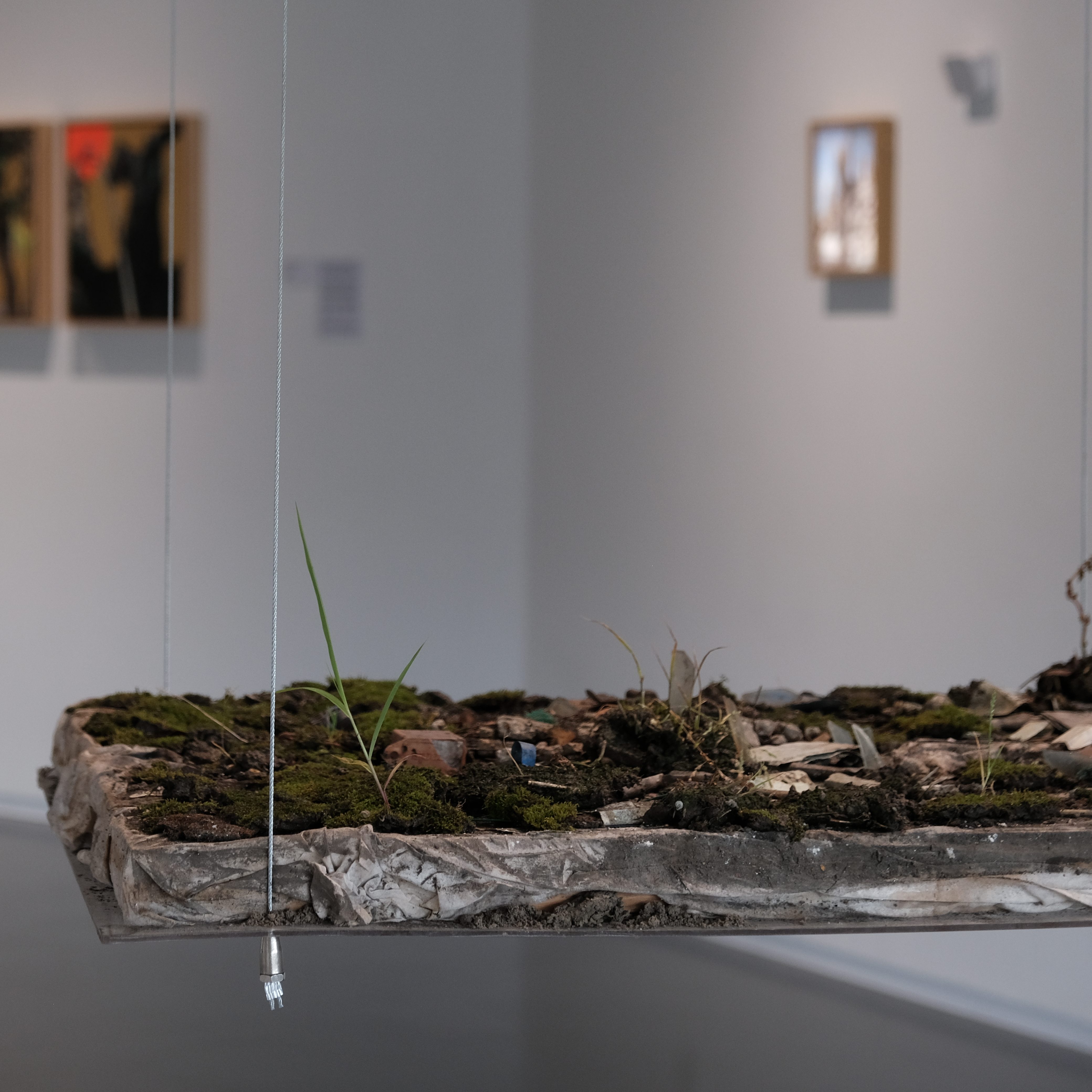
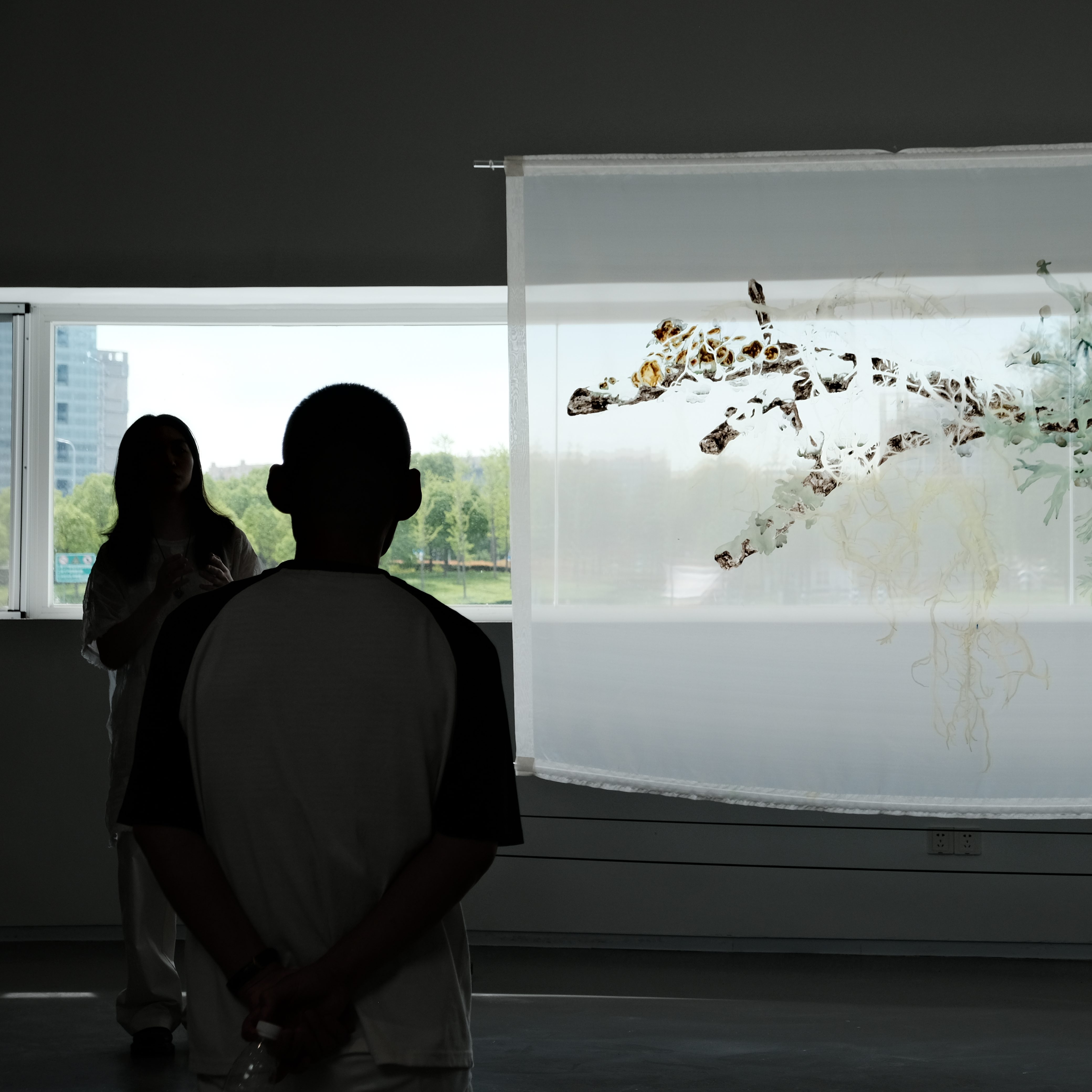
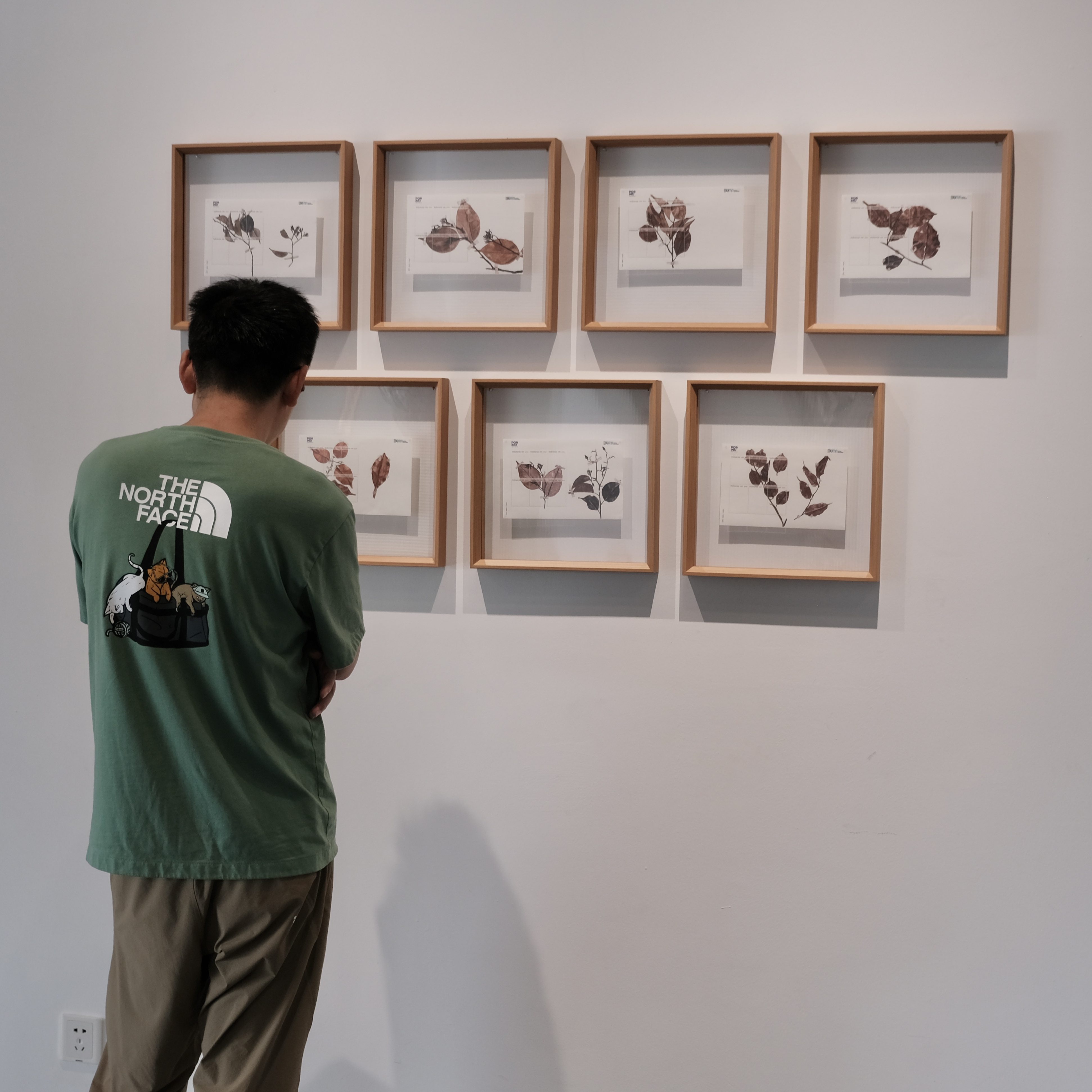
Through this satellite exhibition of an international art biennale, we were able to weave together more exchanges, dialogues, and collective participation across different countries and regions. From the Philippines and Indonesia in Southeast Asia to China; from Shandong to Yunnan; from central Shanghai to Jiading—our conversations extended beyond human-to-human collaboration into the questions raised by Exhibition Rhizomatic Echoes, inspired by the imagination of What If Trees Could Speak?
The project explores a more-than-human perspective, seeking to expand the boundaries of perception beyond the human realm and to reconsider our relationships with the environment and with the multitude of lives that coexist around us.
Looking back, this exhibition was never merely a single event. It felt more like an ever-growing root system, spreading quietly beneath the surface. Many encounters seemed coincidental at first, yet continued to resonate and evolve across different places and moments. Artists, curators, researchers, local communities, volunteers, and even those entities that cannot speak in human language—trees, rivers, soil, and ecological systems—each participated in their own way, collectively shaping the foundation of this project.
This journey has also prompted me to reflect on earlier experiences of organizing environmental art projects on a small islands. Those experiences were not always easy. Between ideals and reality, there were often significant gaps and challenges. Limited resources, communication barriers, and differences in values sometimes led to frustration and exhaustion. Yet it was precisely through those experiences that I came to understand that meaningful and sustainable cultural practices are never built solely on individual efforts. They are rooted in trust, long-term commitment, and the willingness to learn together.
Over the past few years, I have been fortunate to meet artist partners who share similar values and aspirations. Through repeated collaborations and collective efforts, we have gradually built relationships grounded in sincerity, mutual respect, and trust. More importantly, we have cultivated a broader and healthier way of working and thinking together. We were not simply completing projects; we were exploring more open, inclusive, and collaborative ways of creating—learning how people from different backgrounds and experiences can create, support, and grow together.
For this reason, the completion of this exhibition brings more than the satisfaction of presenting a finished project. It carries a deep sense of gratitude for a process of long-term accumulation, shared learning, and collective growth. Seeing experiences from different regions connect with one another, witnessing new exchanges emerge among artists, and observing visitors pause to listen to the stories of trees and landscapes all reaffirmed a simple yet profound belief: art still holds the power to connect people with the world around them.
Shanghai is not only an international cultural platform; it is also a place that embraces diversity and convergence. Here, different backgrounds and perspectives can meet. Academic research, artistic practice, and social concerns can intersect. Ideas that once seemed distant can find opportunities for realization through dialogue and collaboration. For those working with ecology, environmental awareness, and cross-cultural exchange, the city offers a unique openness—one that allows multiple voices to coexist and provides fertile ground for new experiments and possibilities.
It feels like a seed being planted, or a network of roots continuing to extend beneath the ground. The conversations, connections, and questions that emerged through the exhibition will continue to take root and grow in other places and future encounters.
As the dialogue is only beginning. The exploration of relationships between humans and nature, place and place, life and life remains an ongoing journey. We are still learning how to listen, and we continue moving forward together.
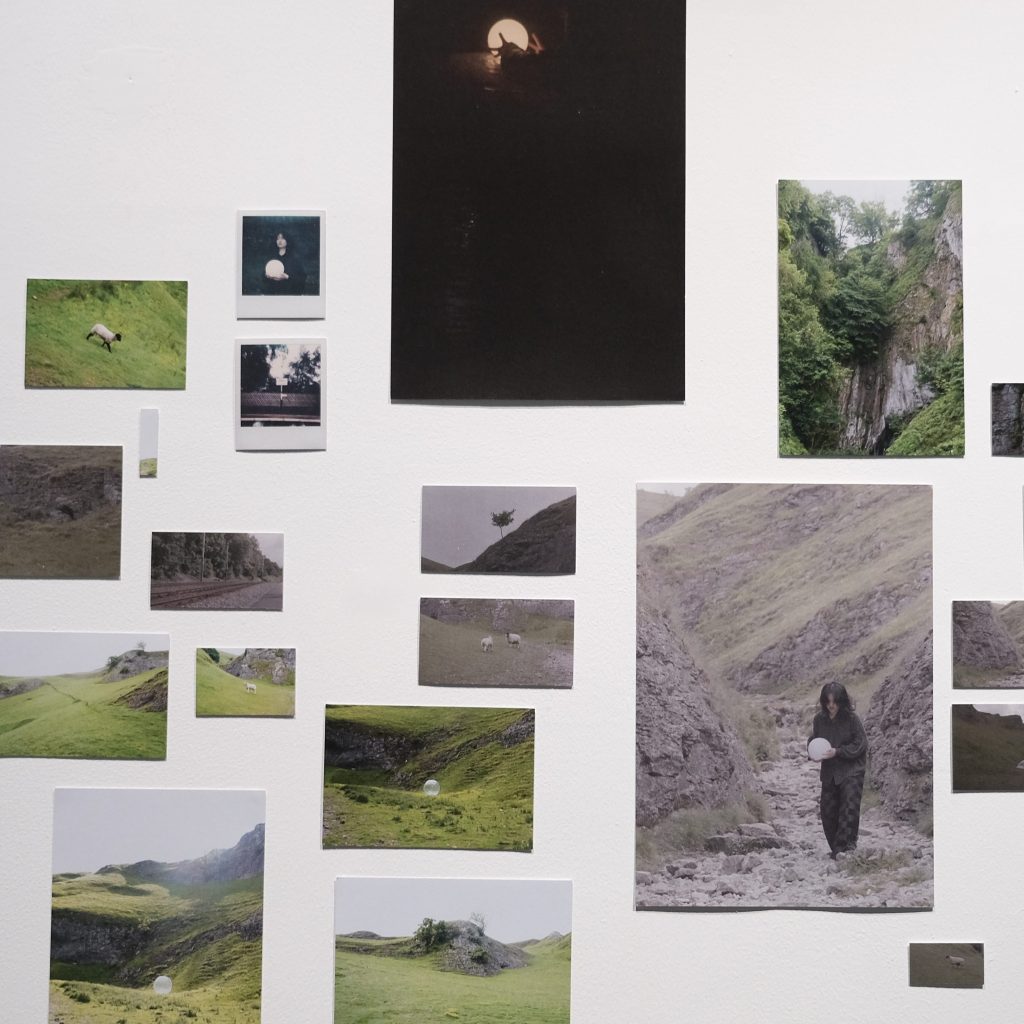
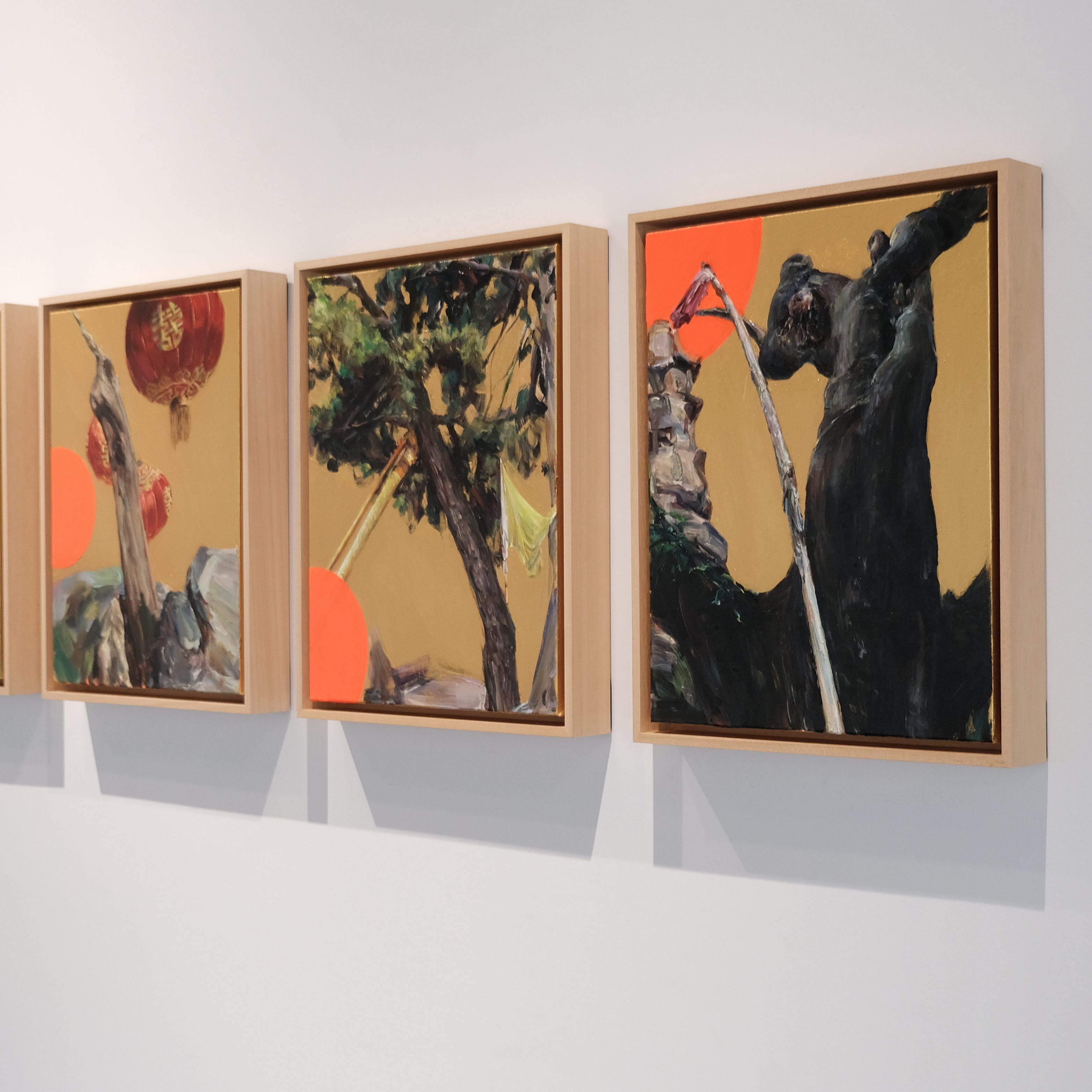
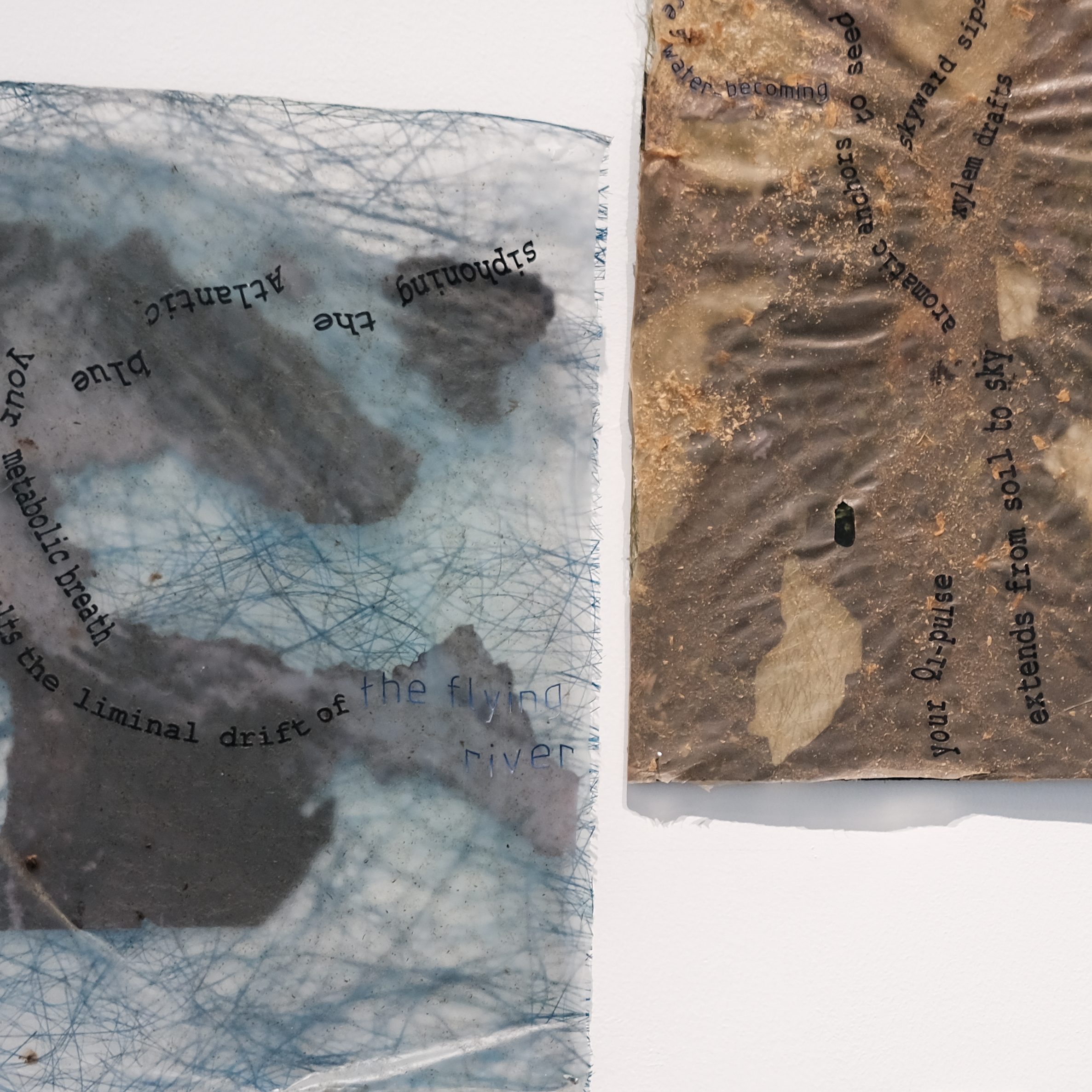

Text by Yipei Lee
Photographer: Maren & Huang Xinyuan, Art Flow

