
Essen als kulturelle Landschaft
Workshop led by Yipei Lee & Evamaria Schaller|Courtesy of SUAVEART
“Food as Cultural Landscape” is to explore the intersection of art and ecology, aiming to (re)discover the multiple meanings and functions of food in our daily lives. It highlights the tangible and imperceptible impacts of our choices on processes of globalization and localization.
As cultural practitioners, we approach food as a subject of research, a medium, a way to connect sensitively with our environment, and a tool of resistance. Ingredients become a lens through which we address the sensation, perception, culture of locality, responding to nature and the communities that shape lifestyle dynamics and our culinary spectrum.
Through the practice of multiple hospitality, we invite transgenerational audiences to gather and engage with pressing issues, including our relationship with nature and its narratives of memory, environmental challenges (climate, pollution), access to resources (water, land, air), cultural identity and the concept of terroir, stories of migration, collective memory, and knowledge production, the evolving value of traditions and technologies in the experimentation of more holistic approaches to living.
【West Bund Museum】2021
Through the medium of sensibility, a doorway unfolds—inviting people to delve into their bond with the environment, and to weave new threads of imagination and wonder about the essence of place.
____
When I wander through cities afar,
my mind drifts to the scenes of home—
unfolding like whispers on the wind.
I never imagined that scent,
a fleeting thread of life and place,
could tether me so deeply to my roots.
Through the quiet ritual of observing plants,
not in the usual way, but tenderly,
I trace the contours of memory,
rekindling an unseen bond with my hometown.

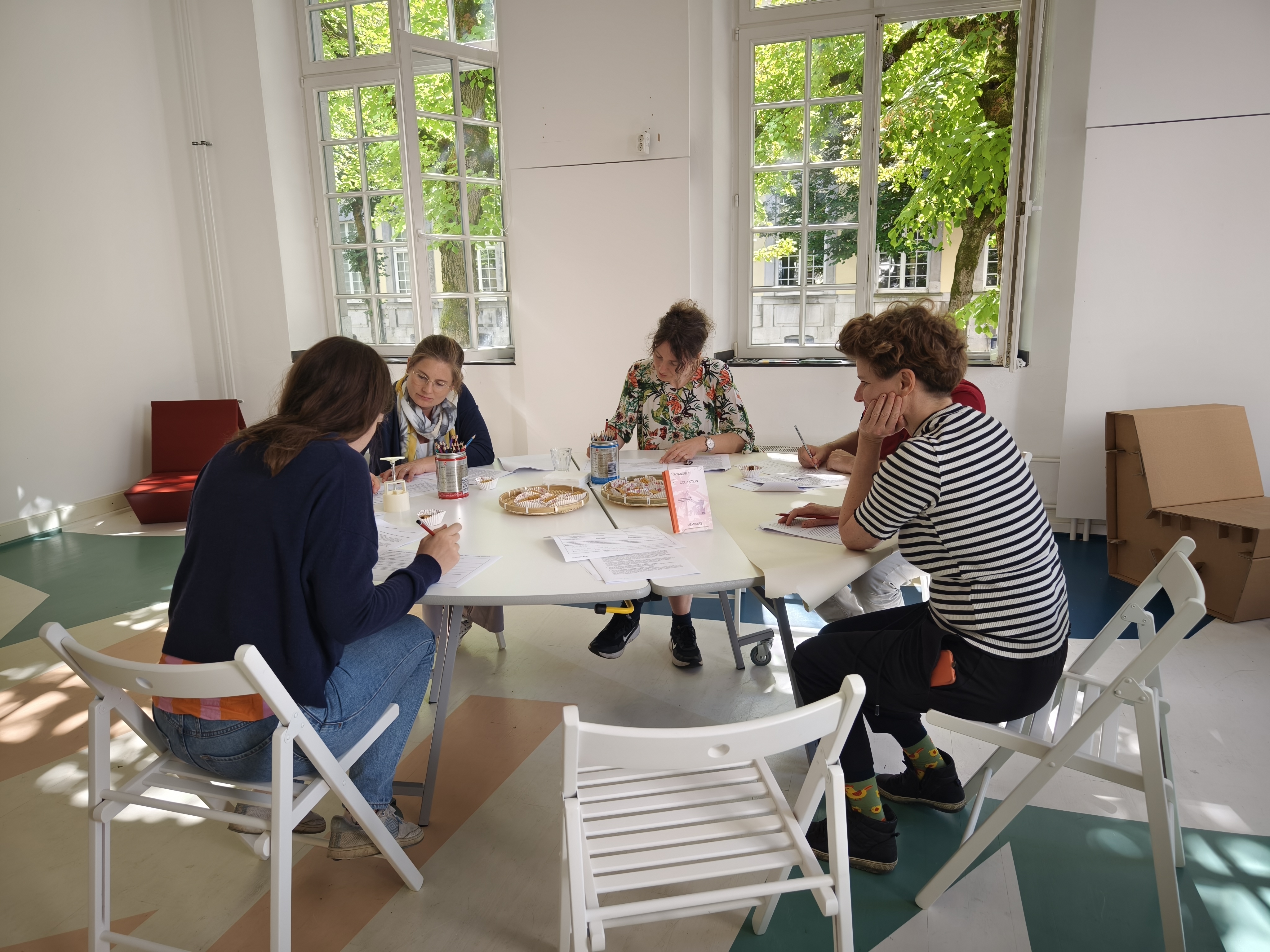
【Kunsthaus NRW】2024
Scents trigger memories, lead our thoughts to certain times and places and create connections between us, as our nose is directly connected to the emotional center of our brain. Together we exchange our life experiences and memories.
____
【Transcultural Exchange】2025
Dining is a ritual that blends multiple sensory elements, often serving as a way to reconnect people with the land and their cultural heritage. Ingredients closely tied to the ecosystem frequently reflect the historical relationships formed between humans and non-humans under the influence of colonization. This workshop uses cloves as a focal material to explore its plant-centered history, reexamining humanity’s dominance over nature.
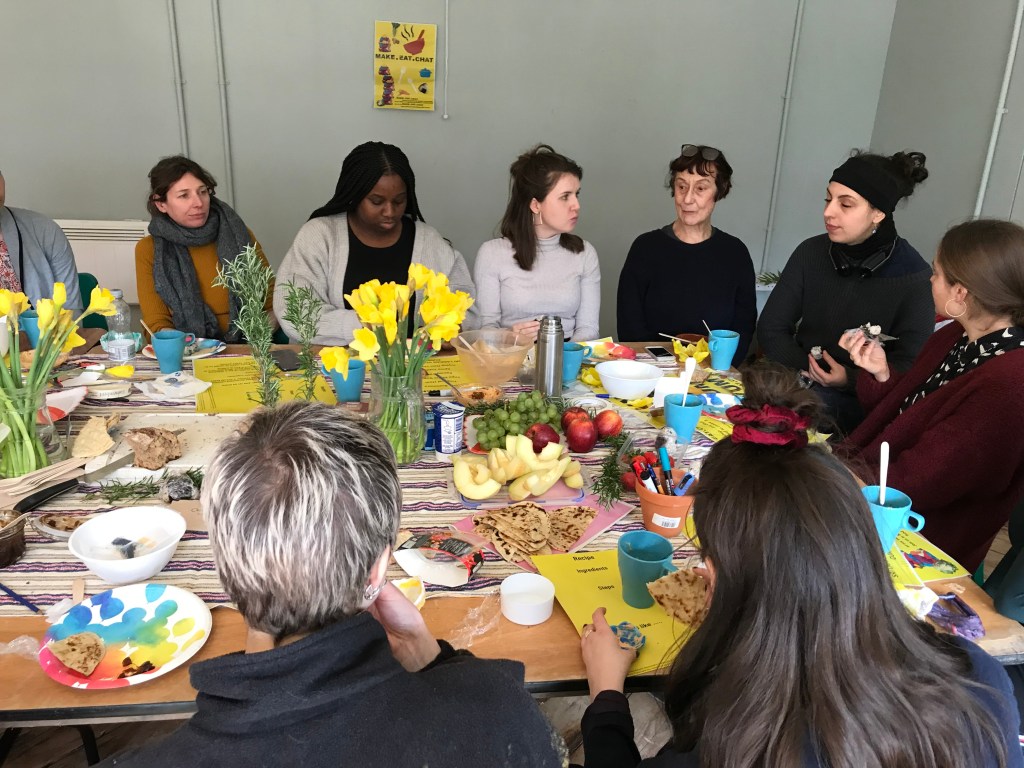
【Transcultural Exchange】2025
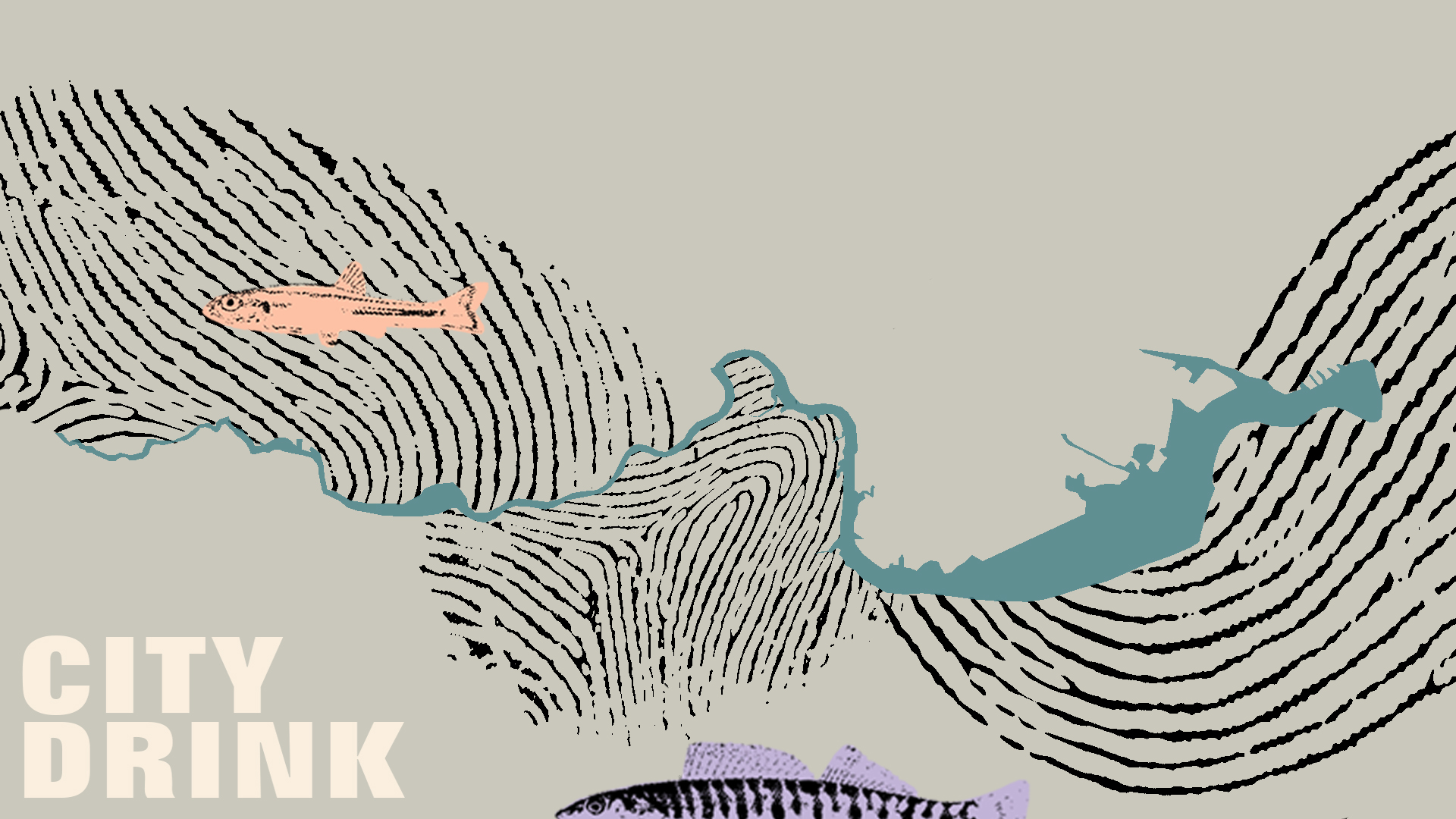
The City Drink project is based on the observation of water systems within the city and their impact on daily life. Water provision is a key aspect of public infrastructure in building a community or city. However, most urban designs create a significant distance between residents and water, as well as its ecology. This means people interact with water primarily for drinking, cleaning, or other practical purposes, without a broader understanding of its role in the city’s landscape. Water also structures the base taste of food in a city, through the technology of fermentation and brewing, it becomes alcohol and other drinks to support the spirits of the inner and outer world.
____
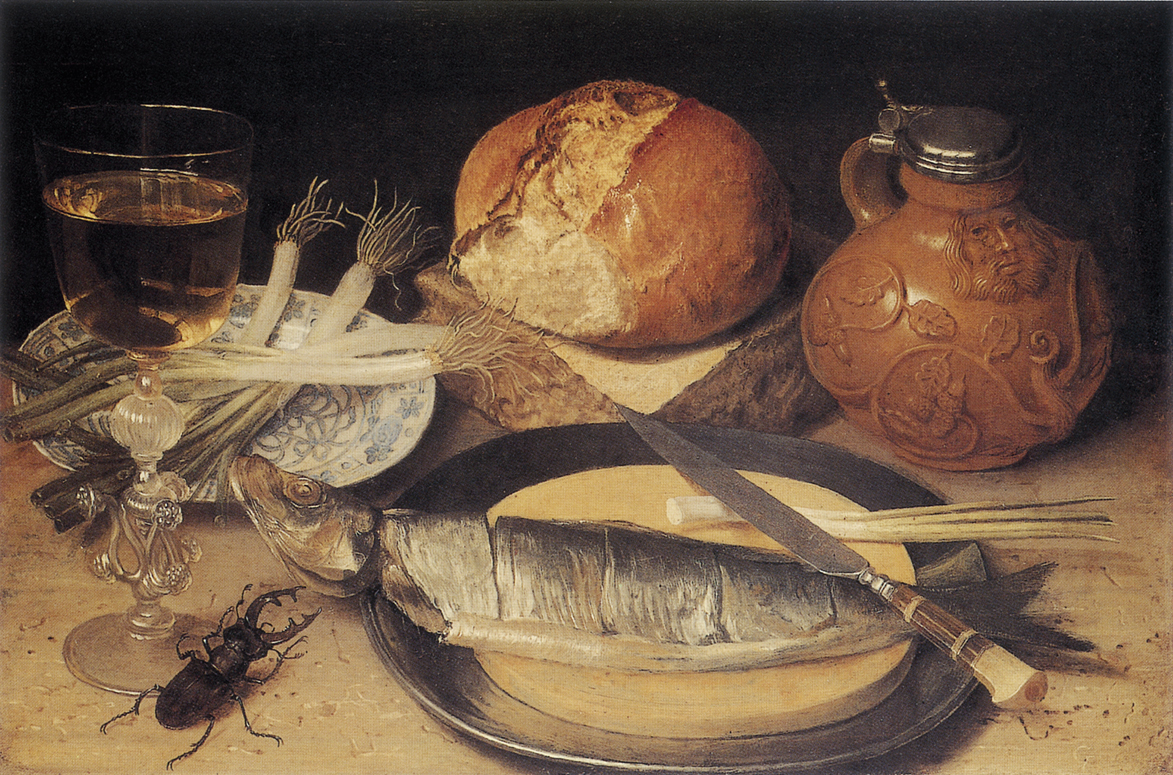
From ancient times to modern days food culture—rooted in the edibility of grains, the boundaries of urban and rural spaces, and the mobility of migration and environmental flows—has profoundly influenced the evolution of human cuisine and cultural identity.
【Research in Europe】2026
Grain in the figurative and culinary cultures between Italy and the Netherlands from 17th to 18th centuries: Still file, nourishment, agriculture, today.-Martina Leone
Coming soon
 細着藝術 SUAVEART