In modern cities, the flexible dynamics of population movement and structures responding to local history, economy, and politics often result in the frequent presence of mobile figures in our daily lives. Over time, these figures not only represent people who migrate for survival but also include second and third-generation immigrants who develop a sense of belonging to the local area and a nostalgic connection to their homeland. Geographically, the distances travelled and the cultural and linguistic aspects of urban areas shape different forms of migration and settlement. How do we define the ‘subjectivity of mobile communities‘ and their establishment of relationships and belonging in urban public and private spaces?
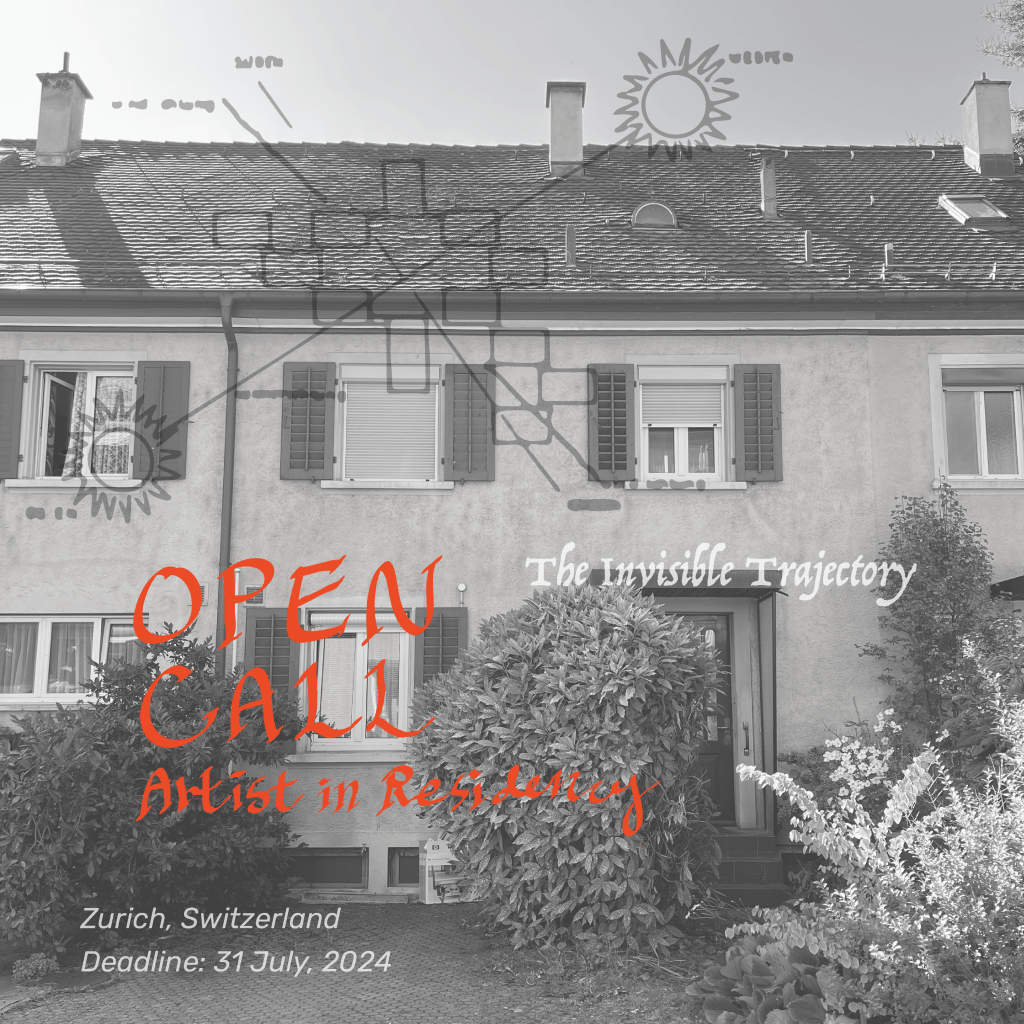
The project, “The Invisible Trajectory: Drifting Sounds and Shadows Between Cities,” focuses on the relationship between migrants and distant cities, reflecting on the context in which migrants create their homes/personal spaces through the framework of immigration history and parallel contrasts with urban public construction. Through accumulated observations over the medium to long term, we have found that living in European regions, particularly in cities like Zurich and London, accentuates the distinctiveness of the migrant experience. Despite societal advocacy for diversity and equality, there is still a palpable sense of social class distinction and gentrification. The status of migrants is not easily documented or reflected in existing policies and public discourse.
Building upon prior fieldwork experiences, we draw inspiration from concepts like Strollogy, Dérive, and Non-place to explore the relationship between urban landscapes and individuals, sparking discussions on cultural exchanges from a historical perspective and reflecting on the assimilation and rejection of cultural and intellectual phenomena generated by contemporary ‘non-Western’ identities in Western contexts.
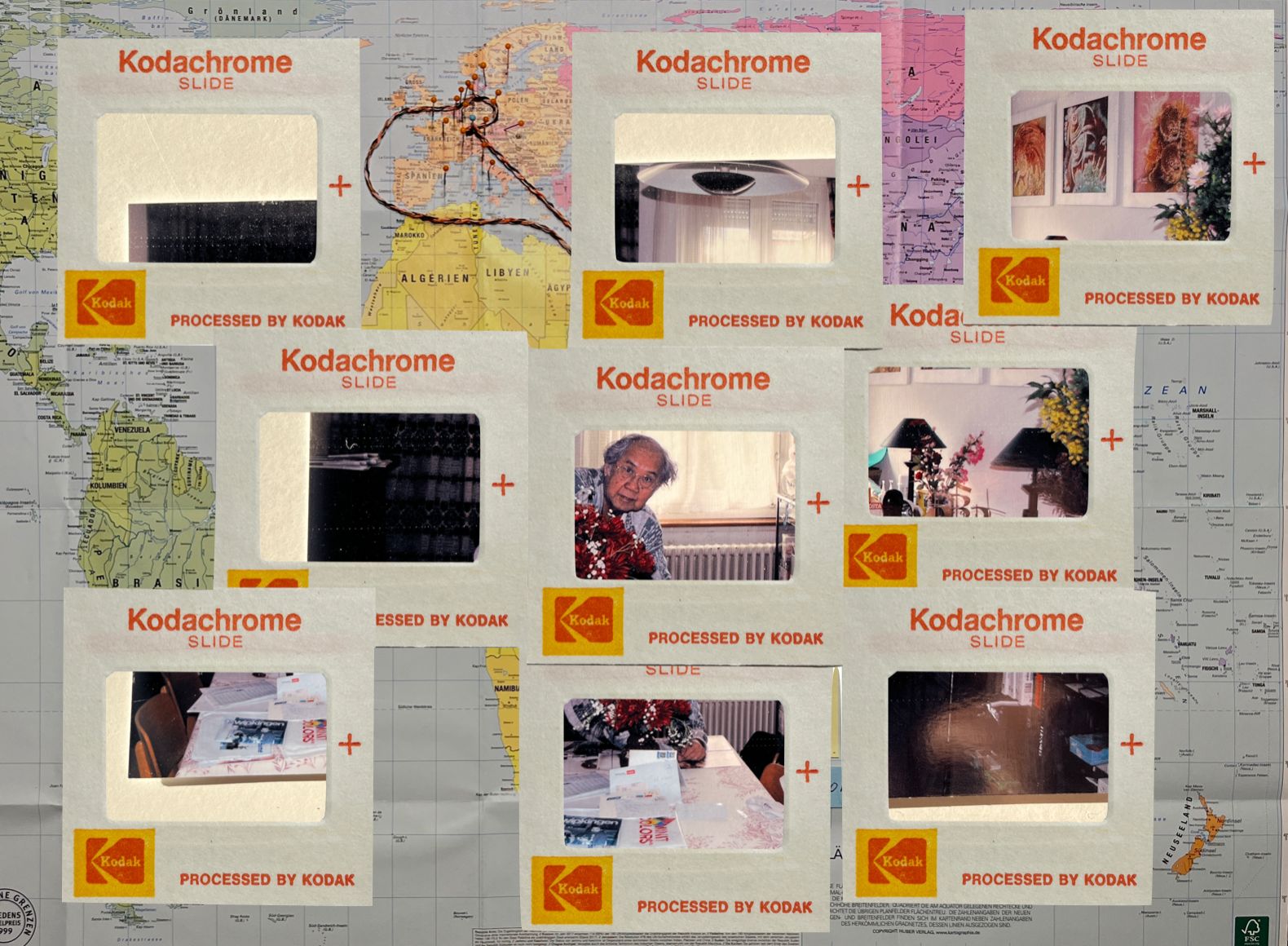
These photos were taken with a film camera,
and several images were developed into negatives.
During our research at the apartment Schubertstrasse,
we discovered thousands of documents related to his work and life journey.
Views of Invisible Trajectories (Germany, 60s)
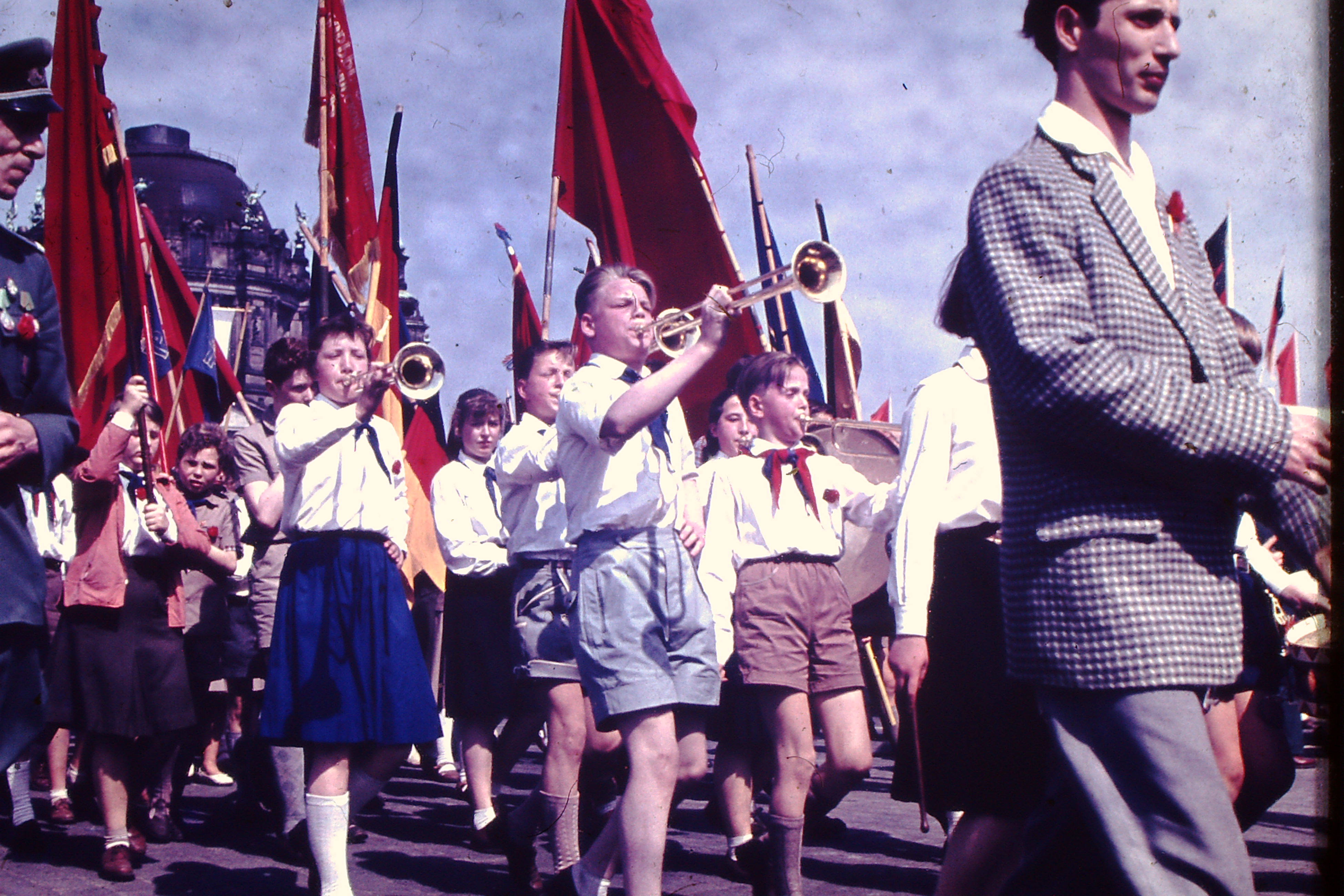
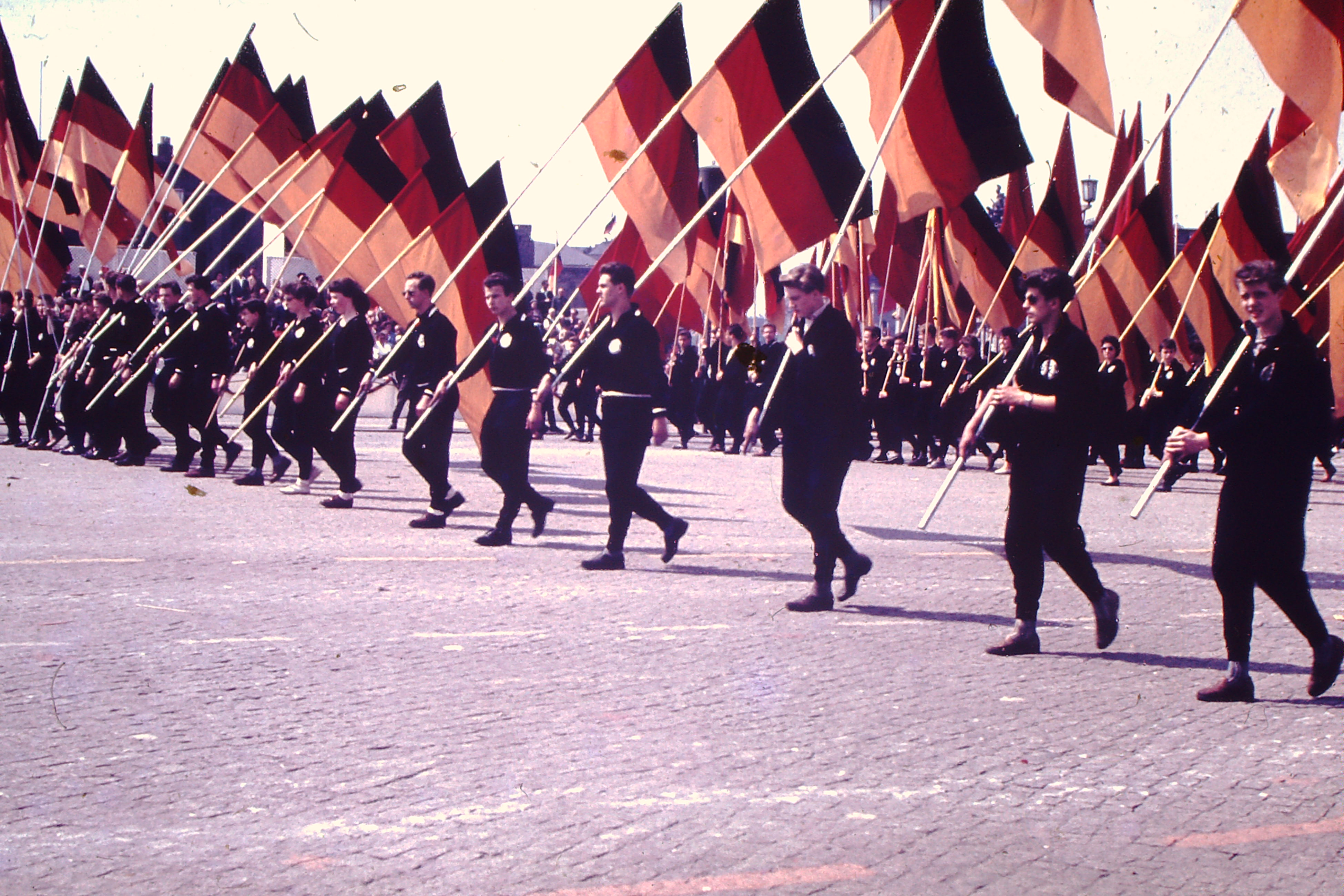
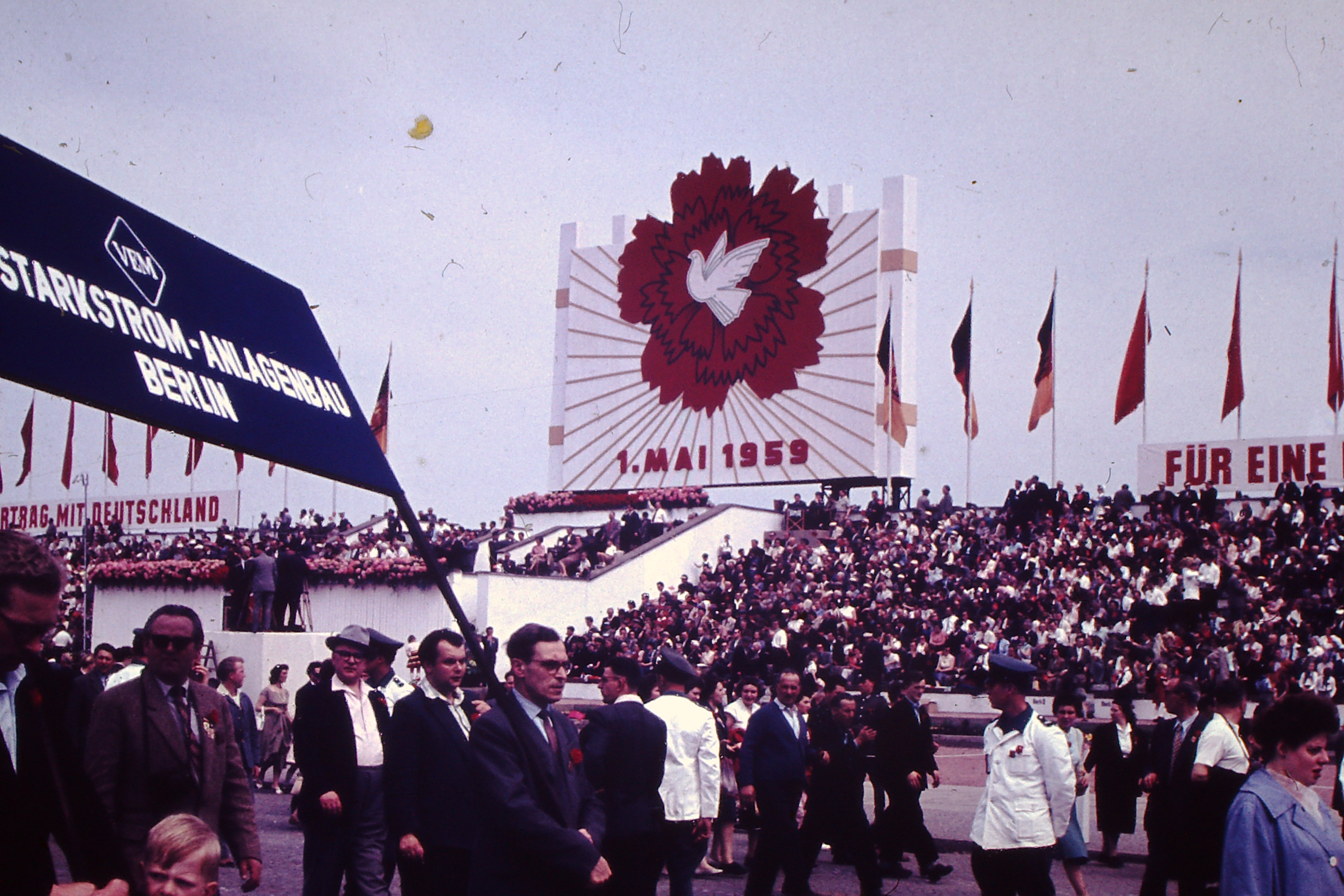
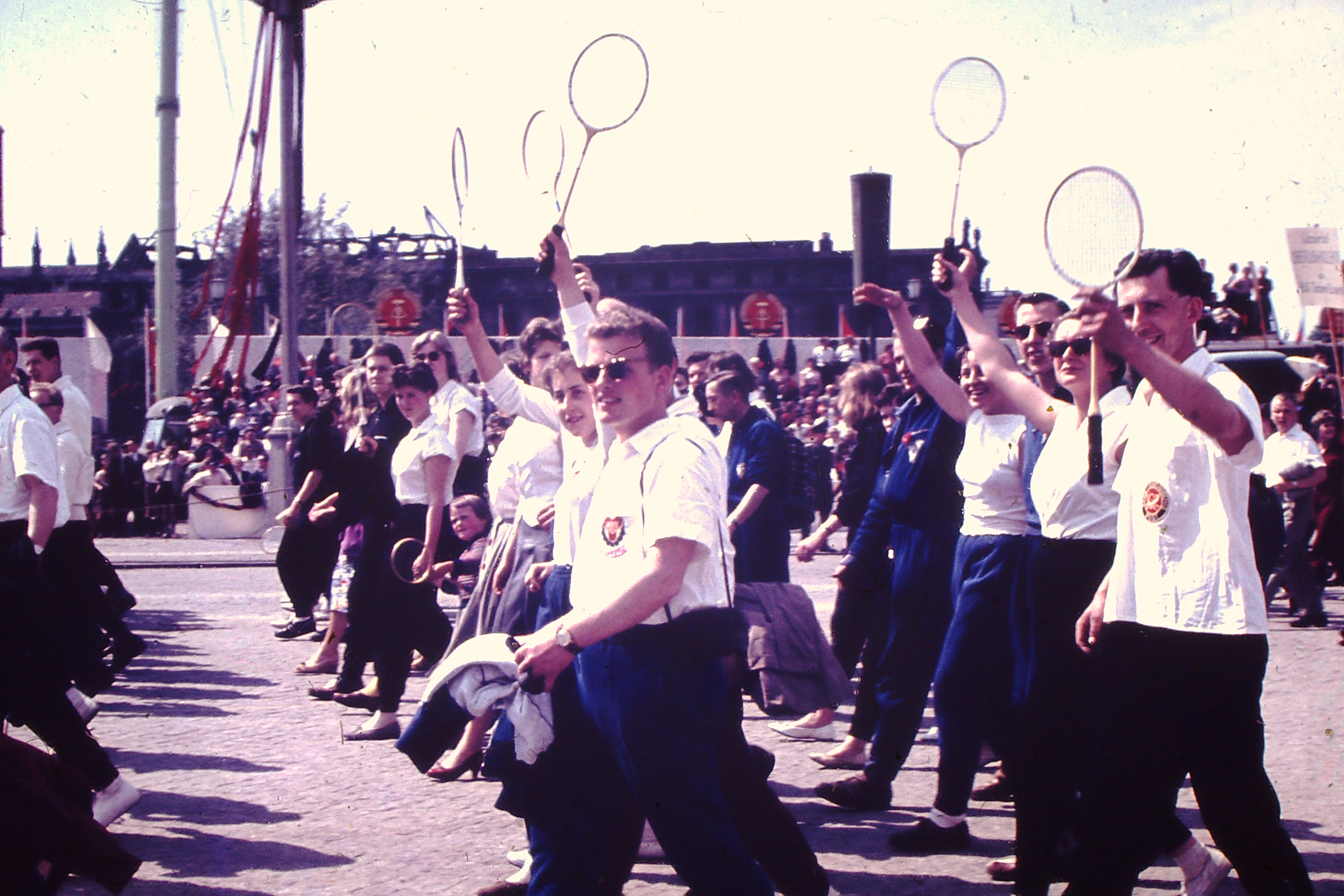
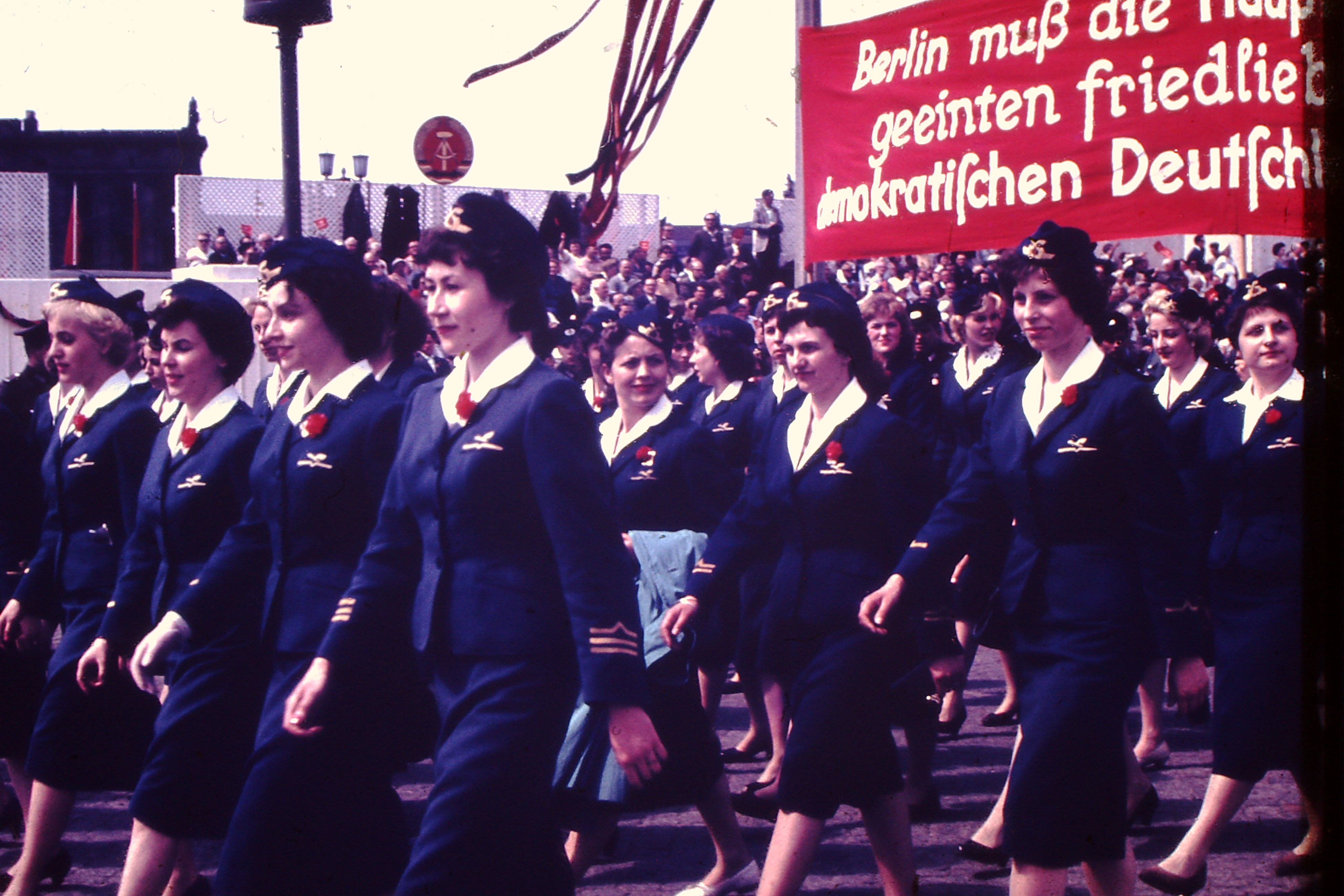
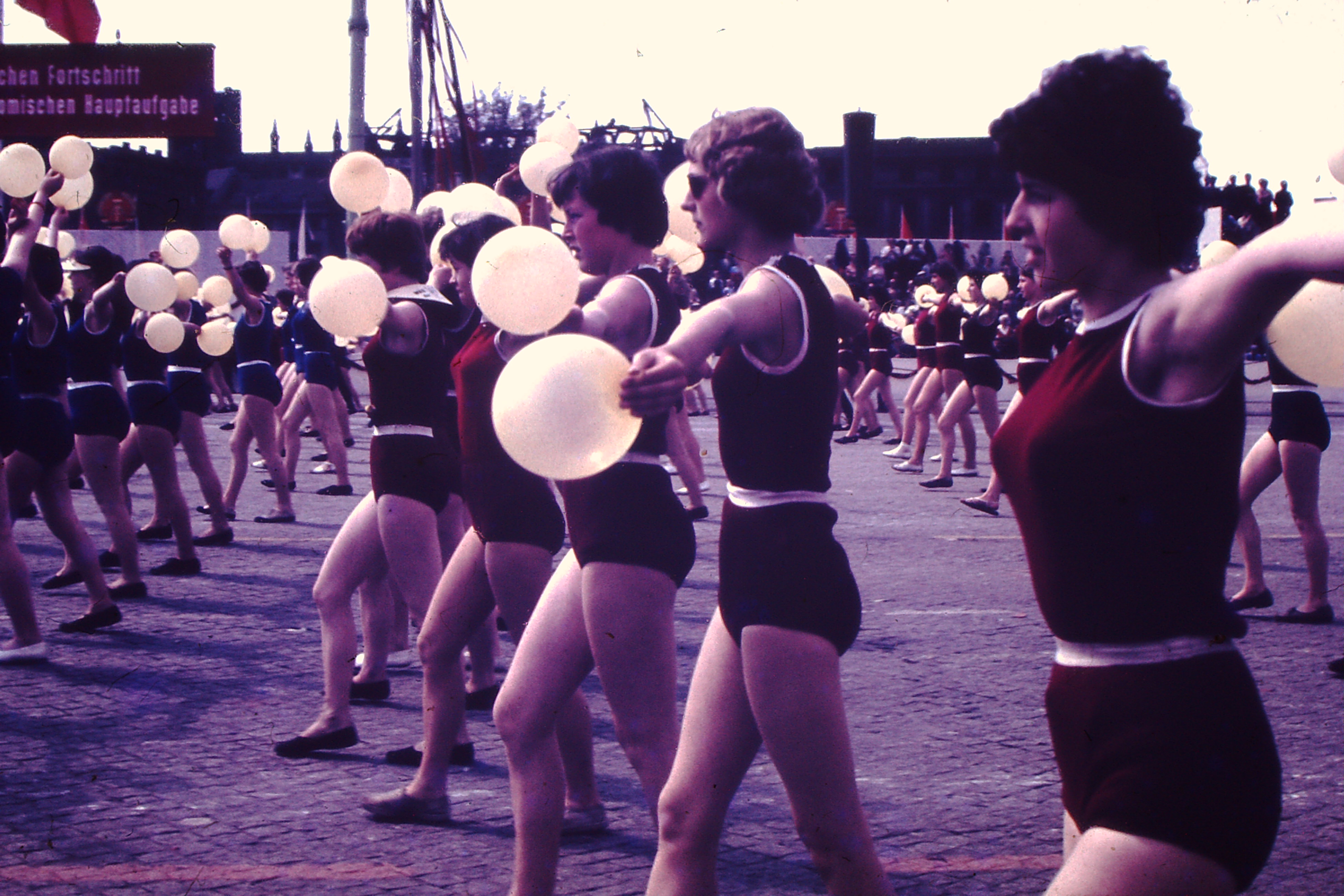
Encountering the celebration of Labor Day on May 1, 1959. Berlin (East Germany) was part of the Deutsche Demokratische Republik. Many clubs and associations participated in the parade. Courtesy of Herianto Sulindro & the Kho Family.
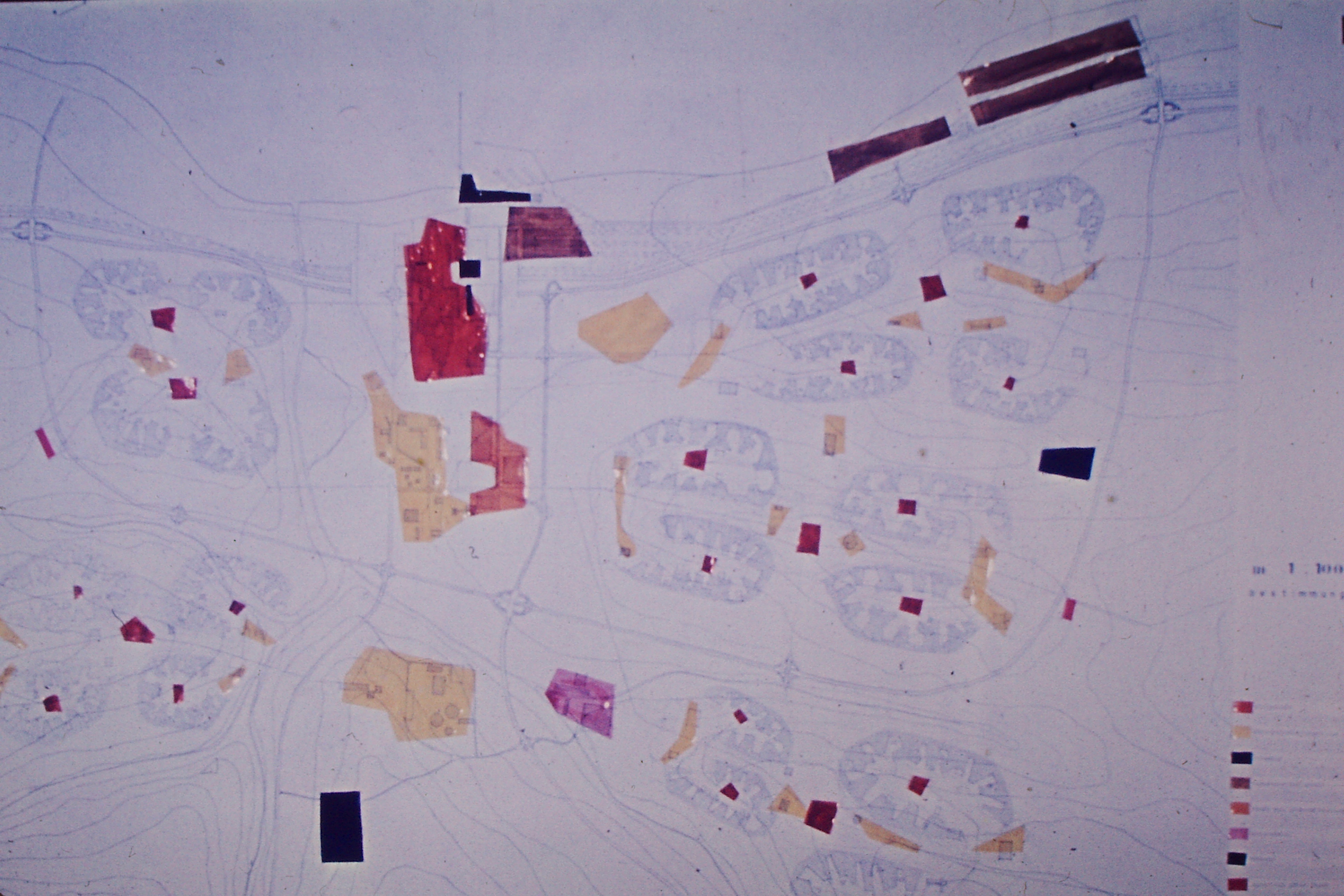
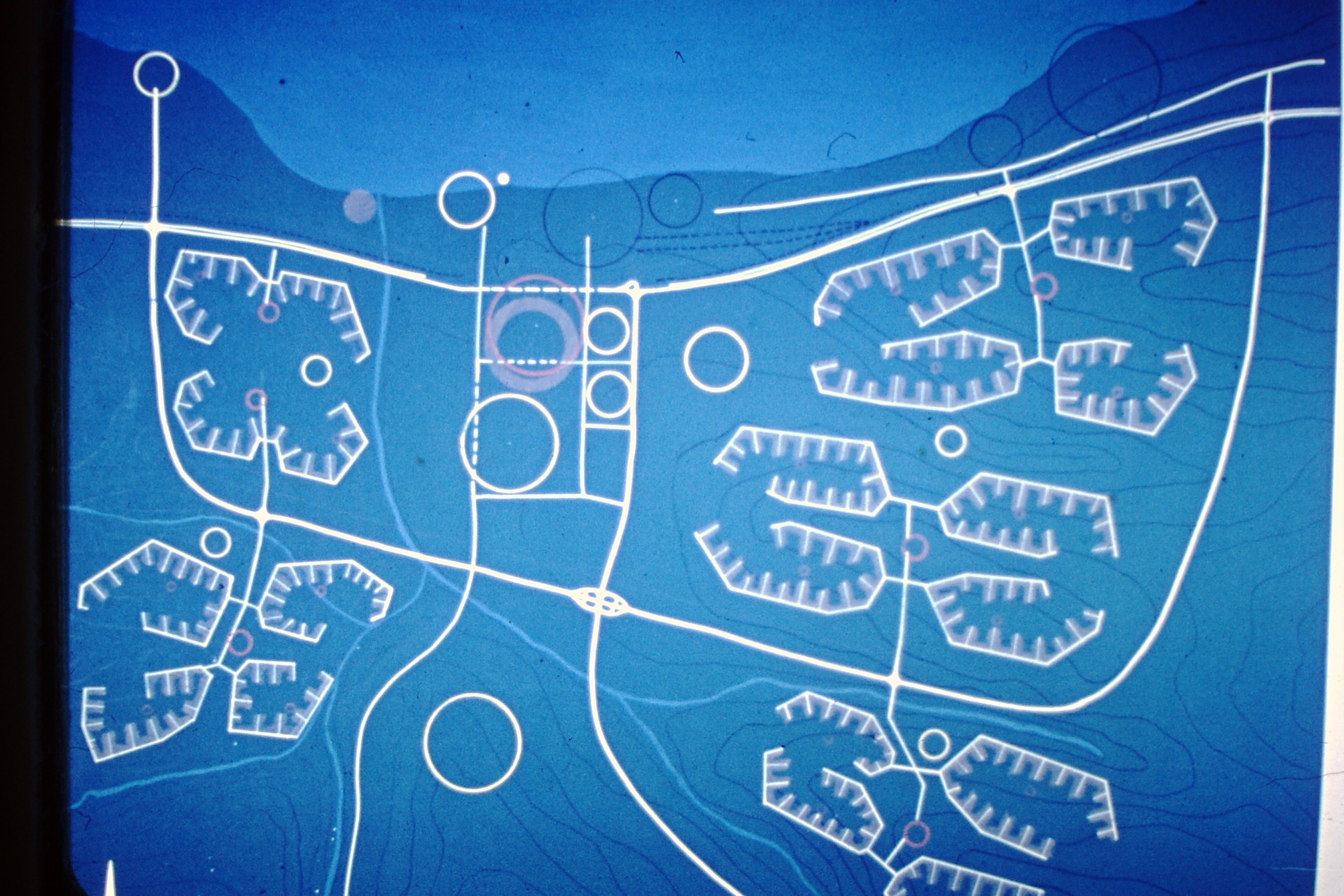
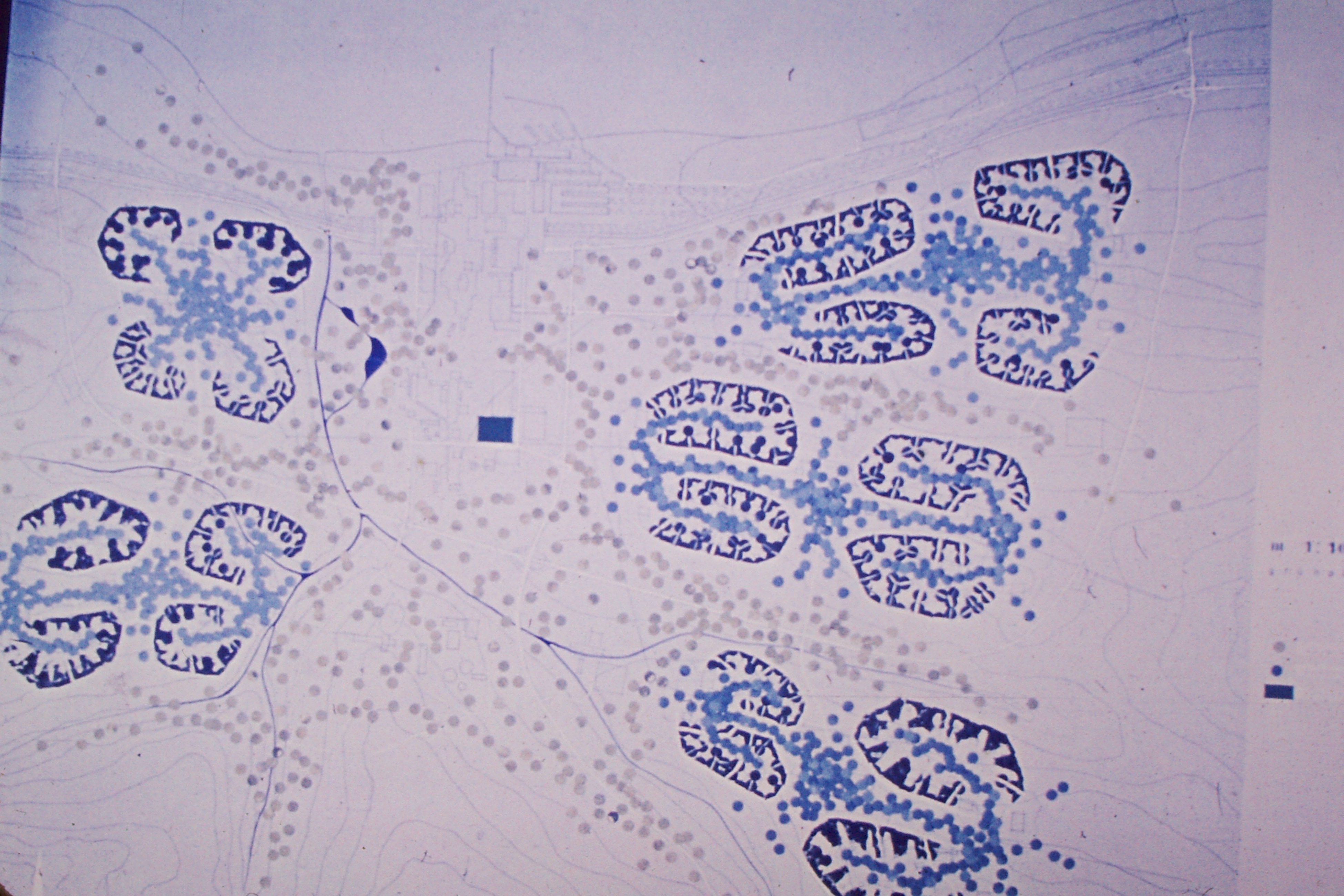
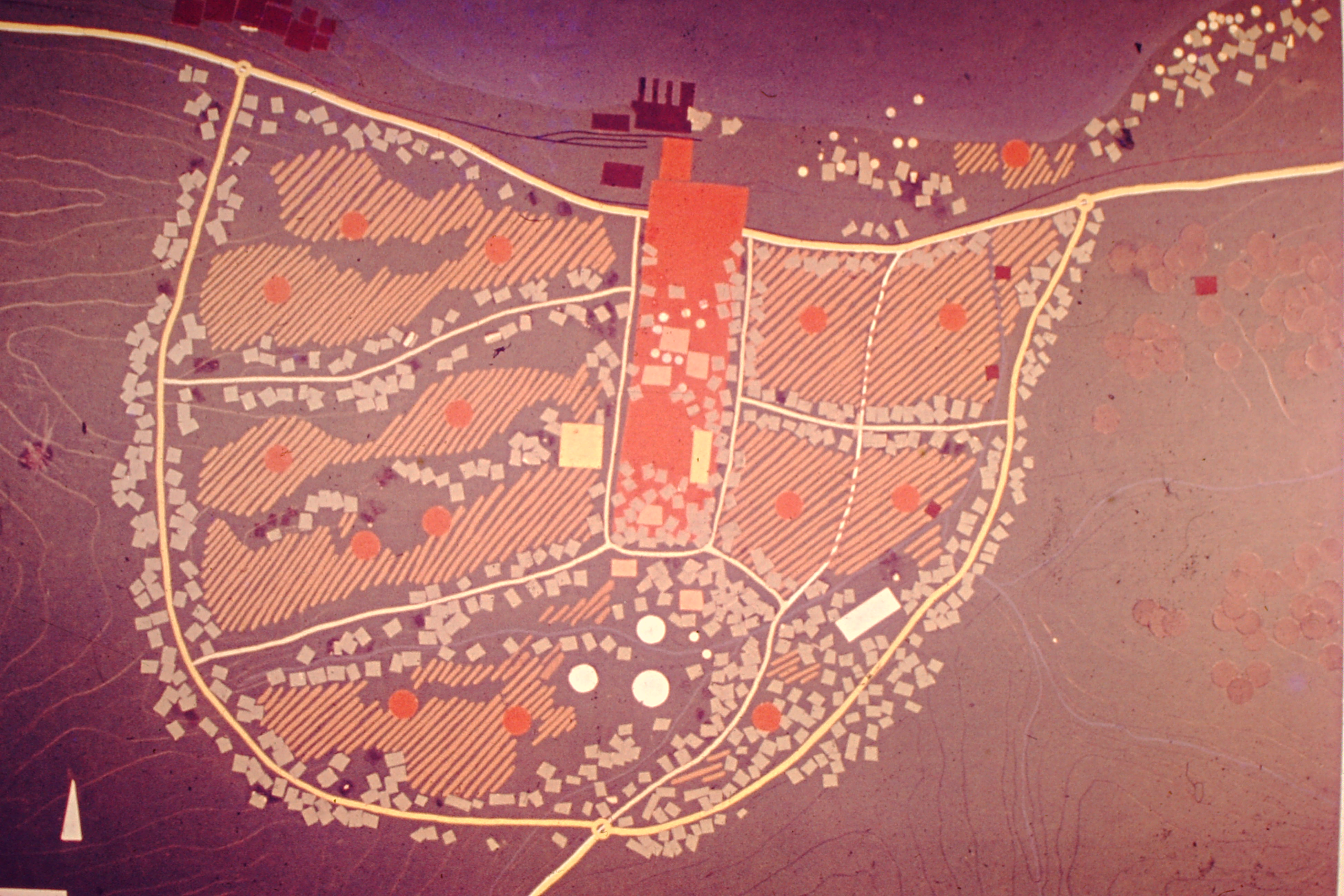
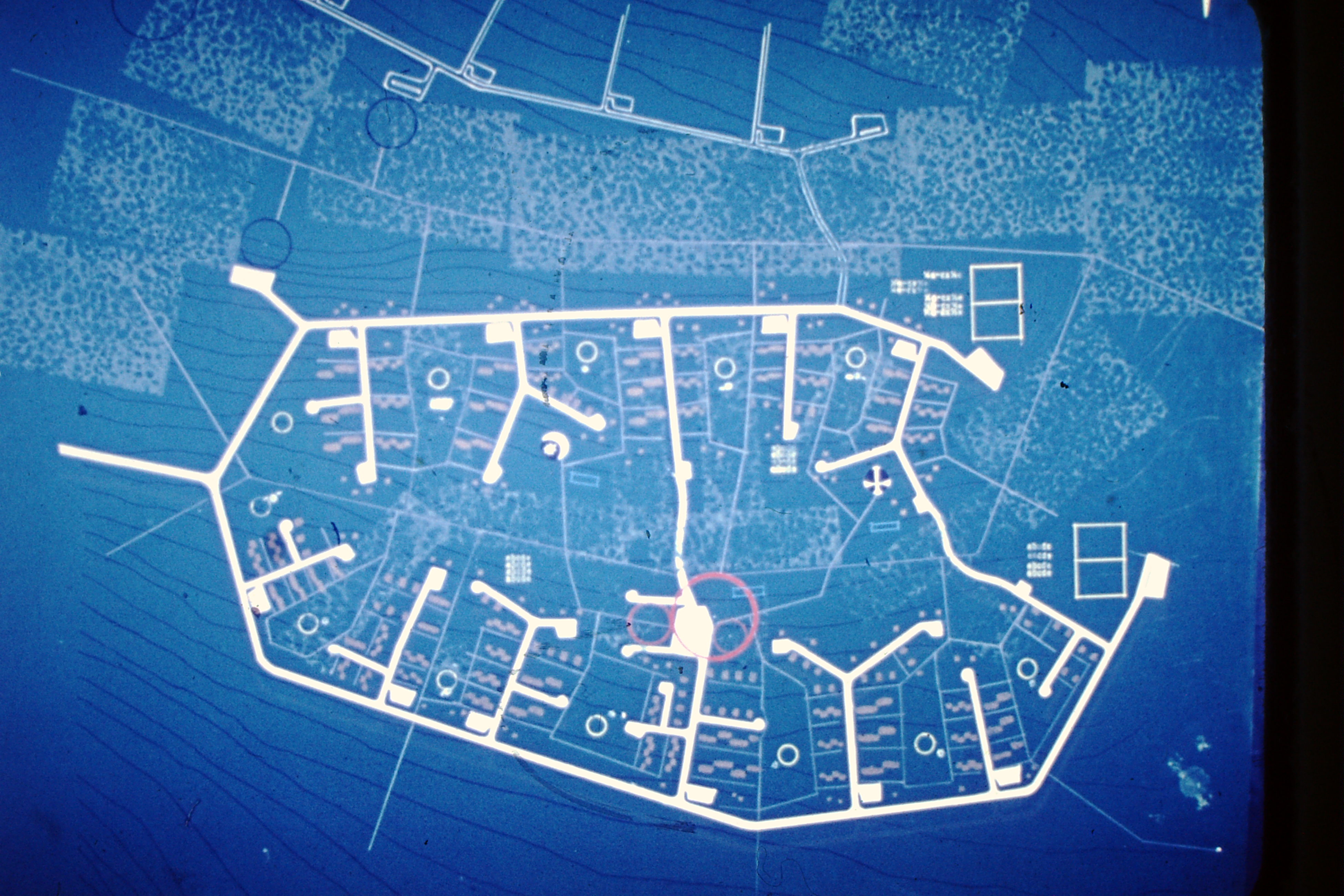
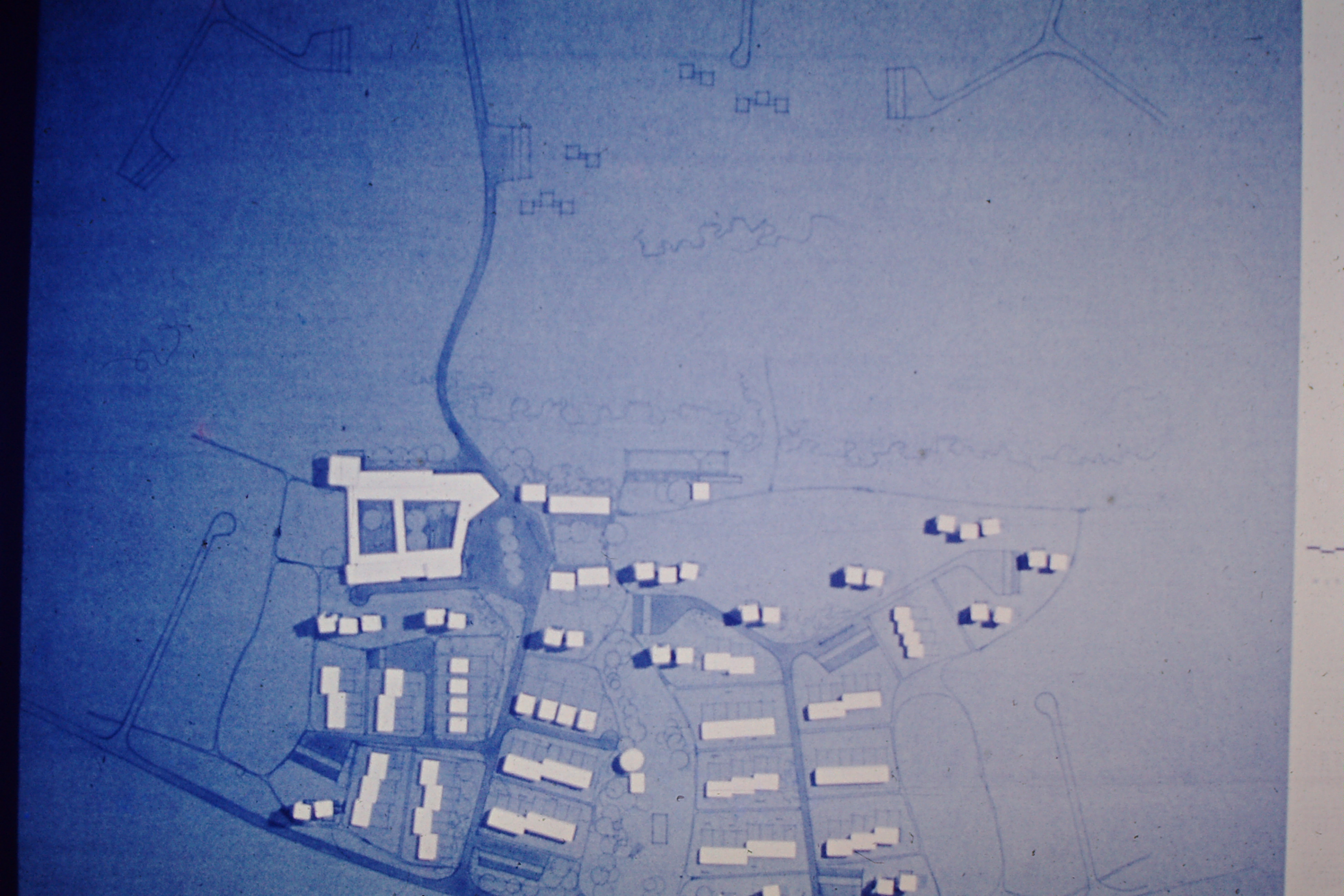
After studying at TU Berlin, Herianto Sulindro relocated to Hamburg, where he worked on urban projects from 1960 to 1962. His work focused on gathering data and mapping different areas for water and plant infrastructure. The photographs were discovered in the film format. Courtesy of Herianto Sulindro & the Kho Family.
Views of Invisible Trajectories (Switzerland, 60s-80s)
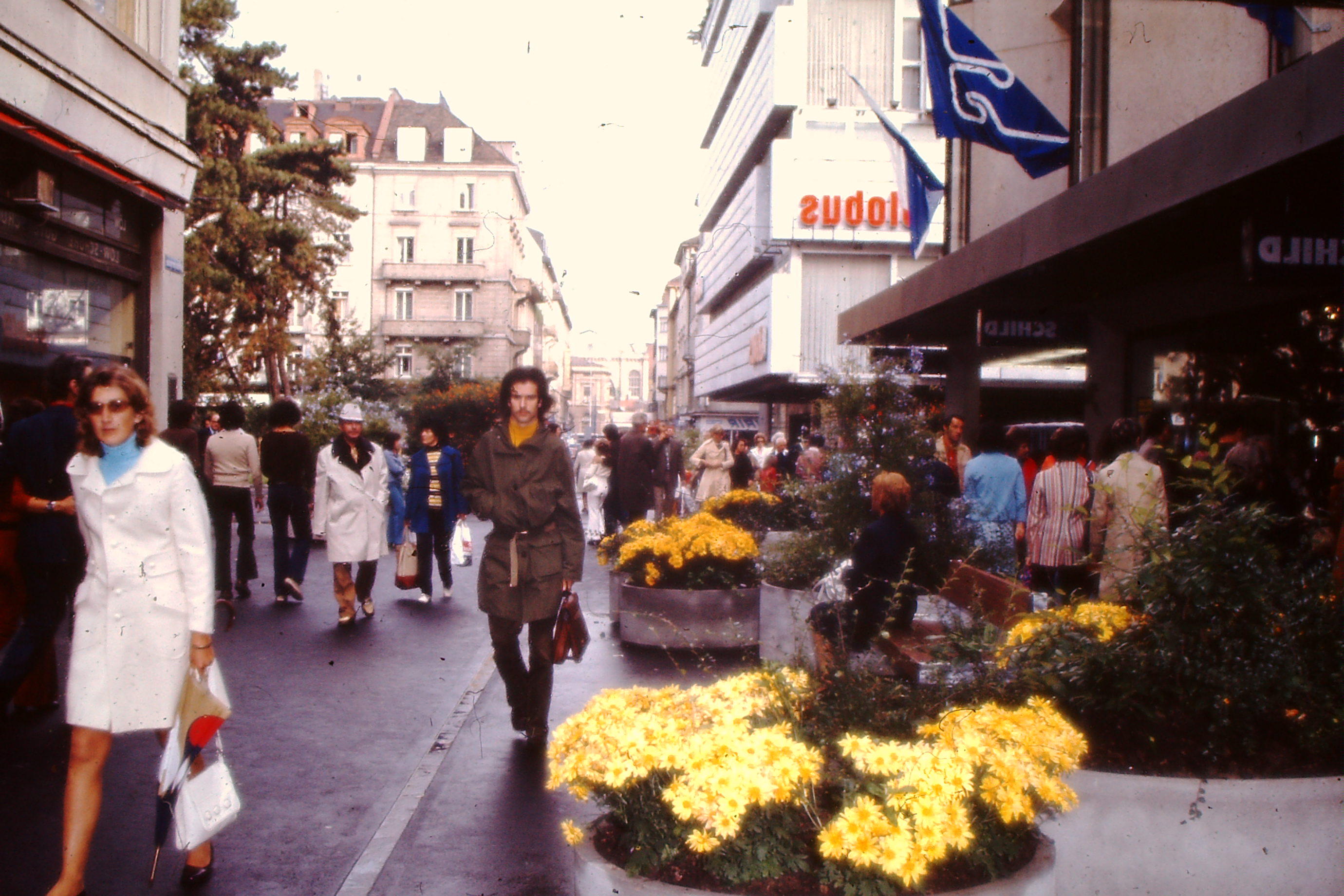

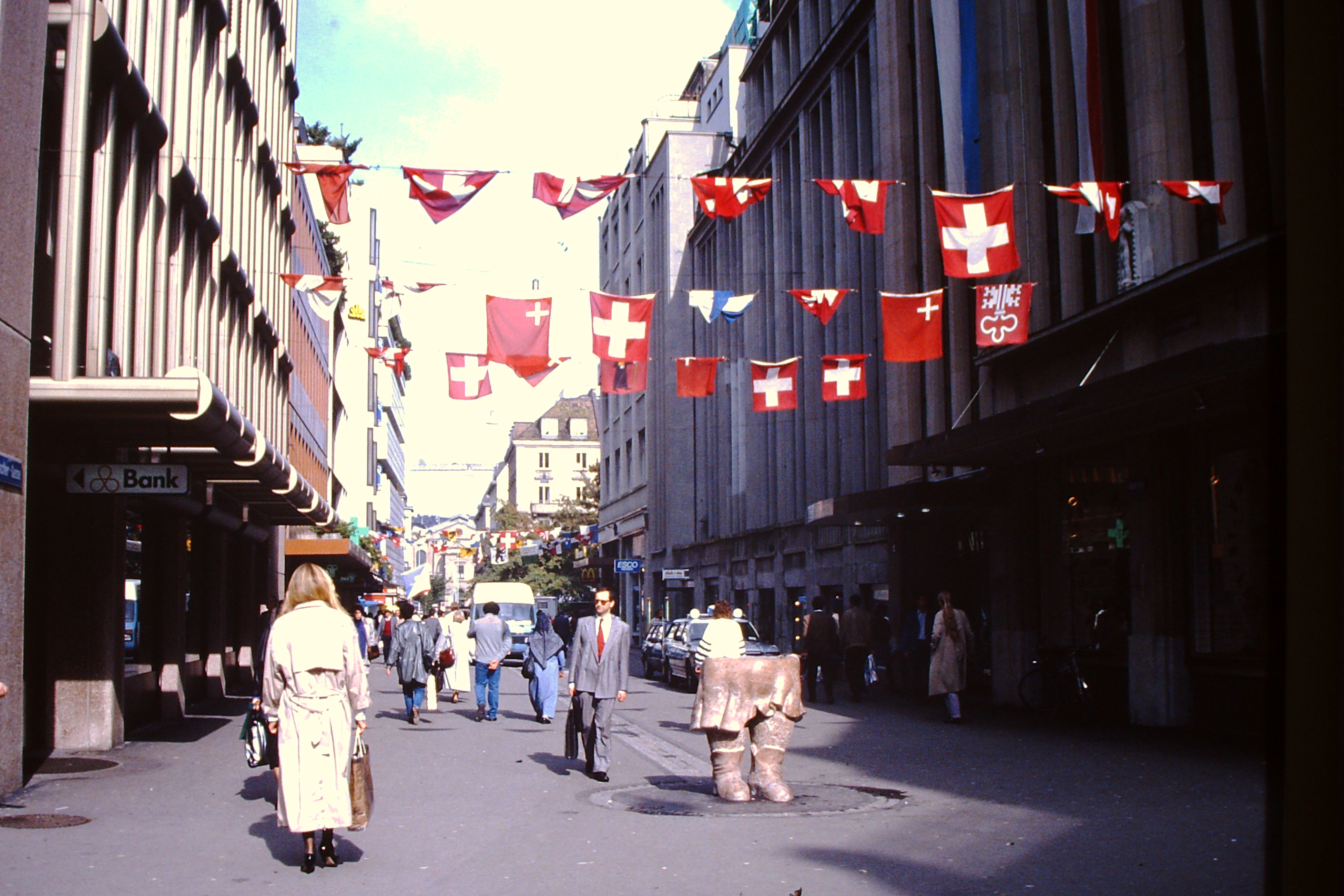
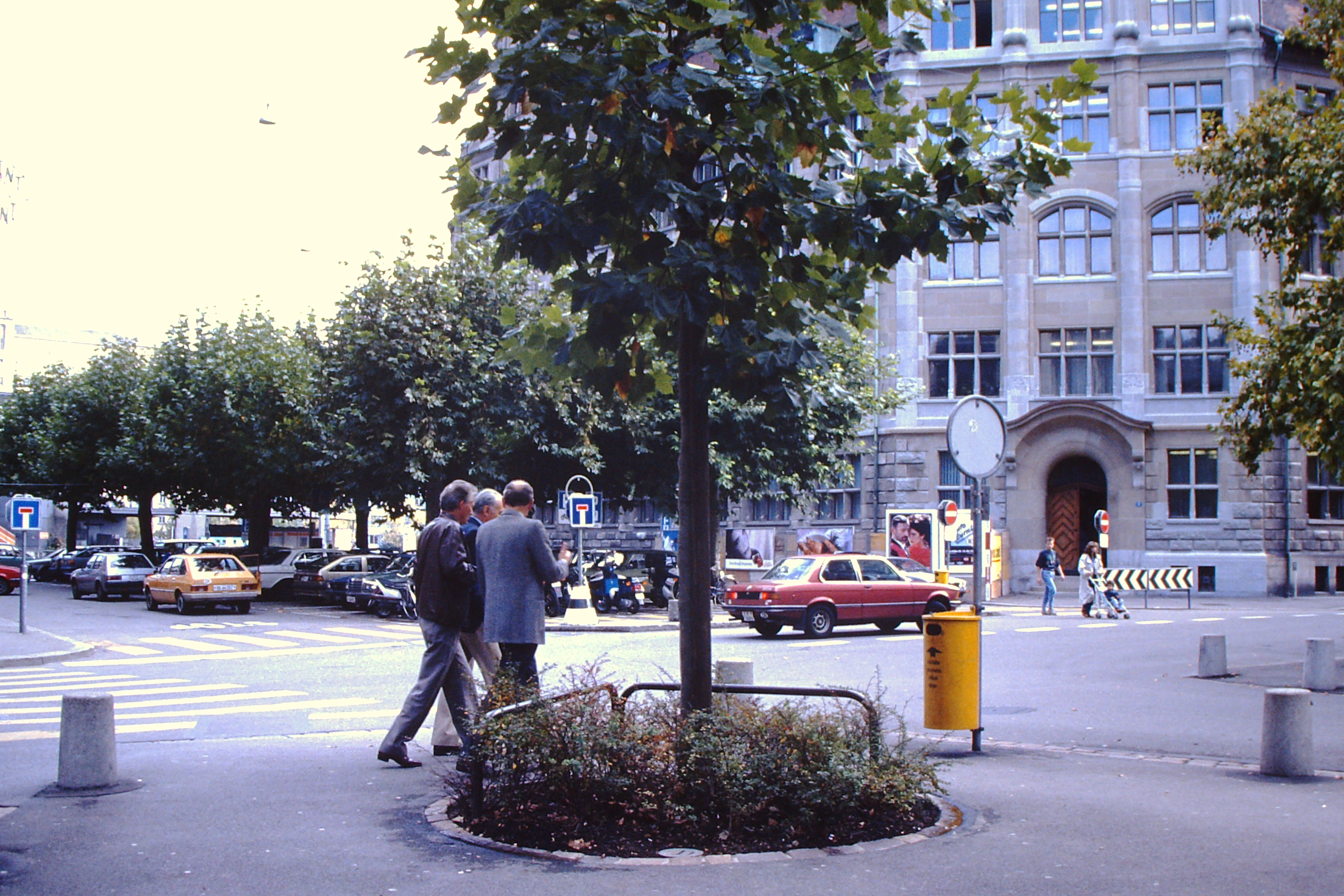
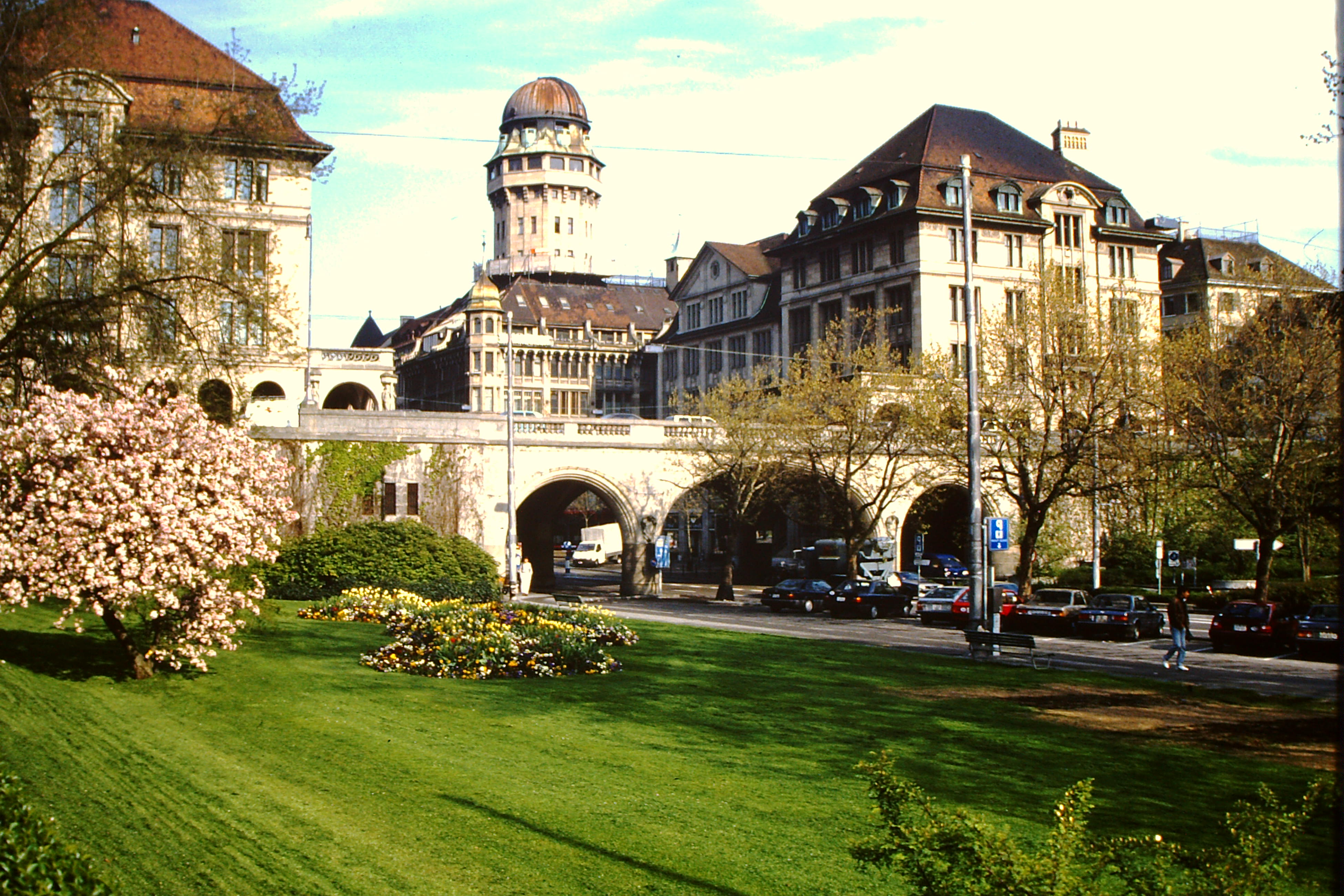
These photos were taken during the 1960s-1980s. Herianto Sulindro worked as a permanent architect for the Department of Urban Planning in the city of Zürich. Courtesy of Herianto Sulindro & Kho Family.
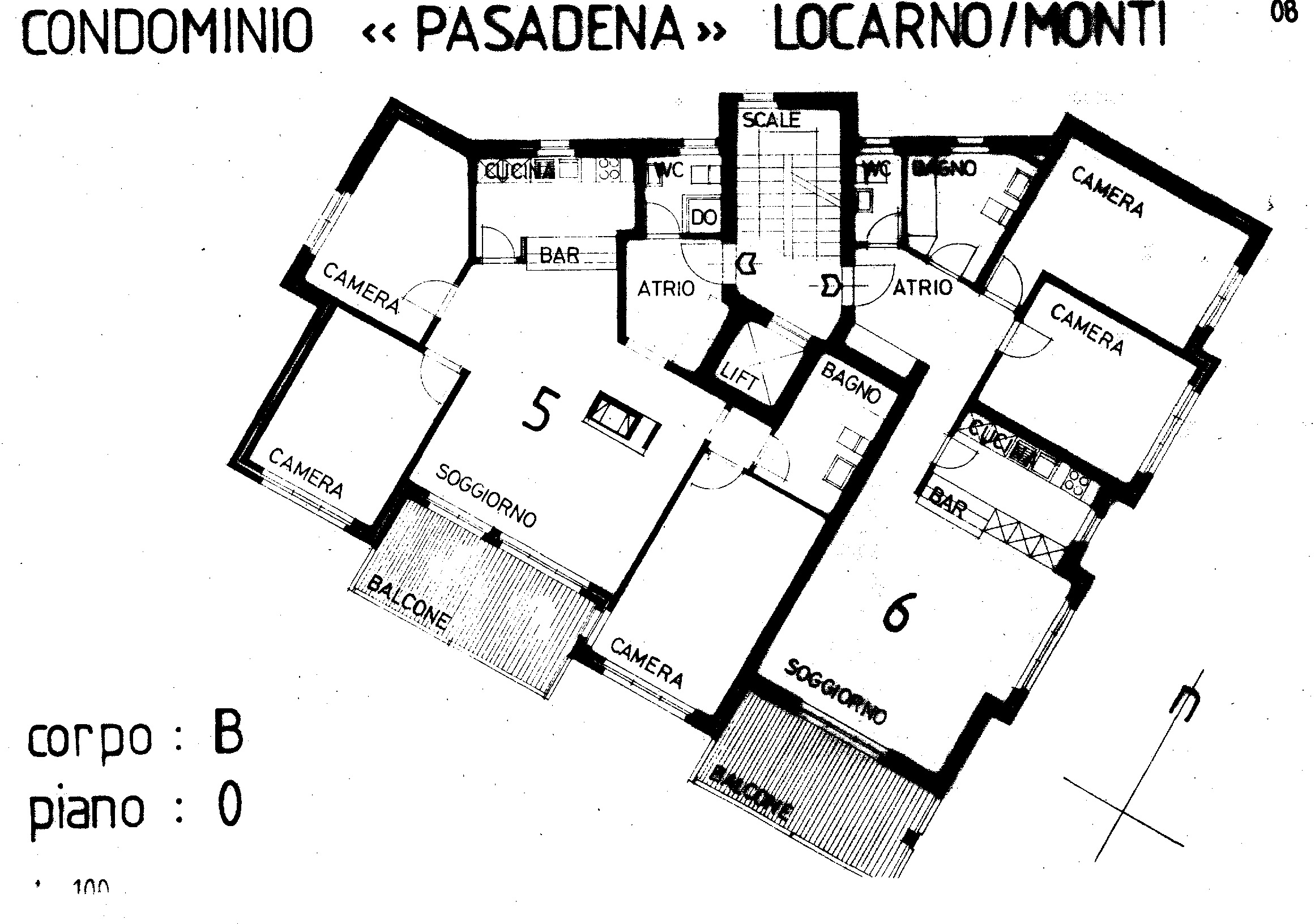
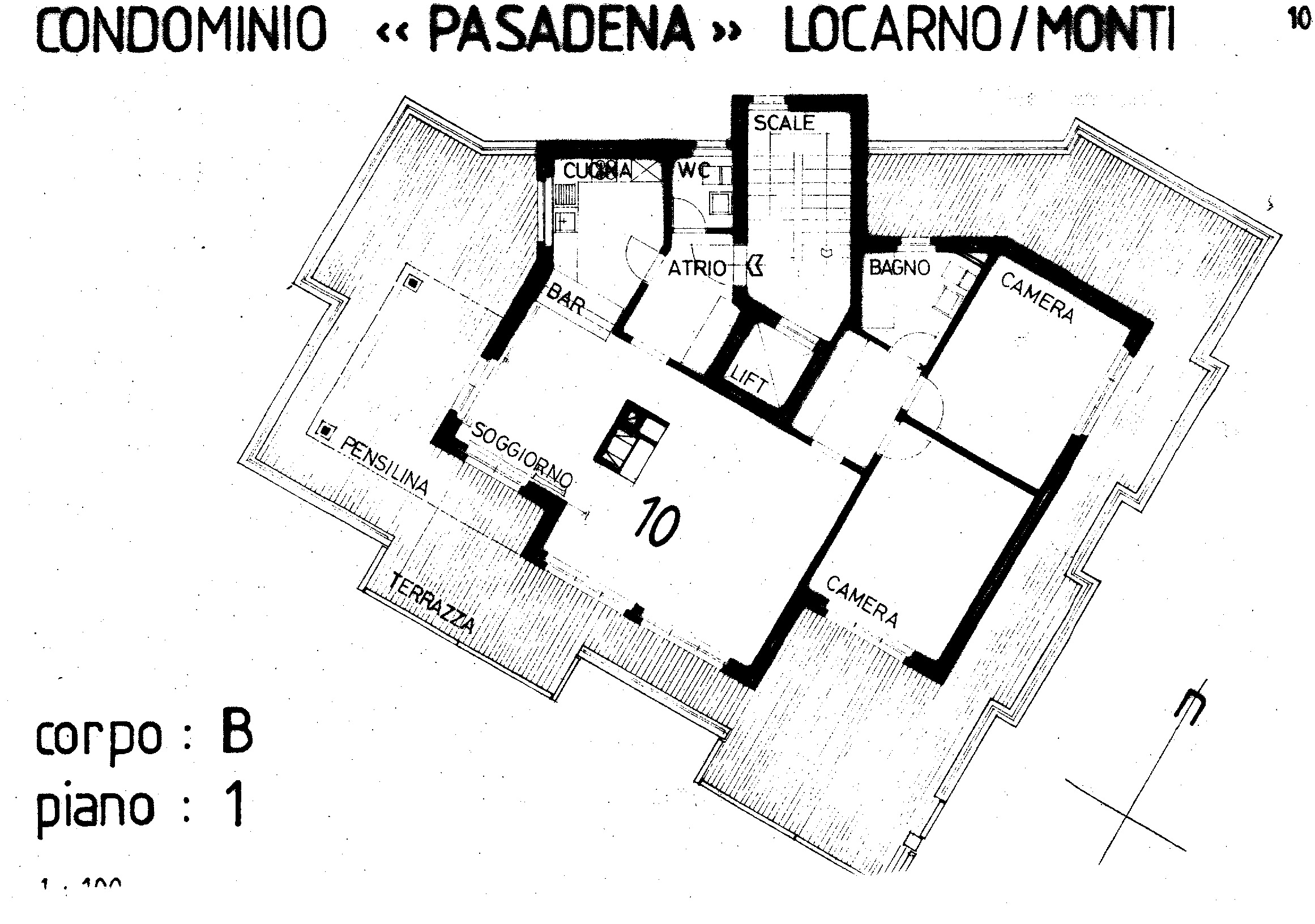

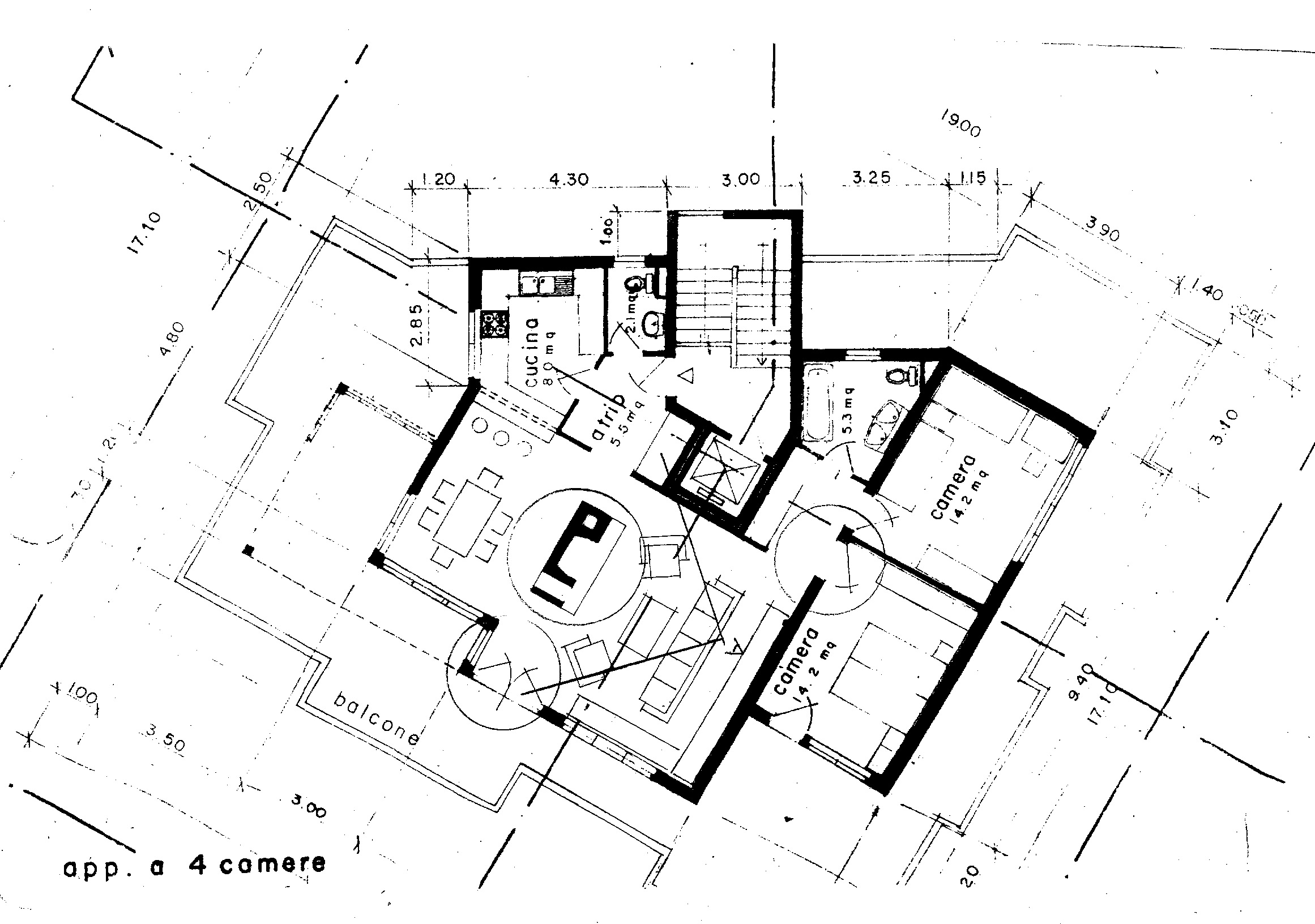
The residential project in Locarno Monti, the Italian-speaking region of southern Switzerland, was one of his long-term endeavors, involving frequent travels between Zurich and Locarno. Courtesy of the Kho Family.
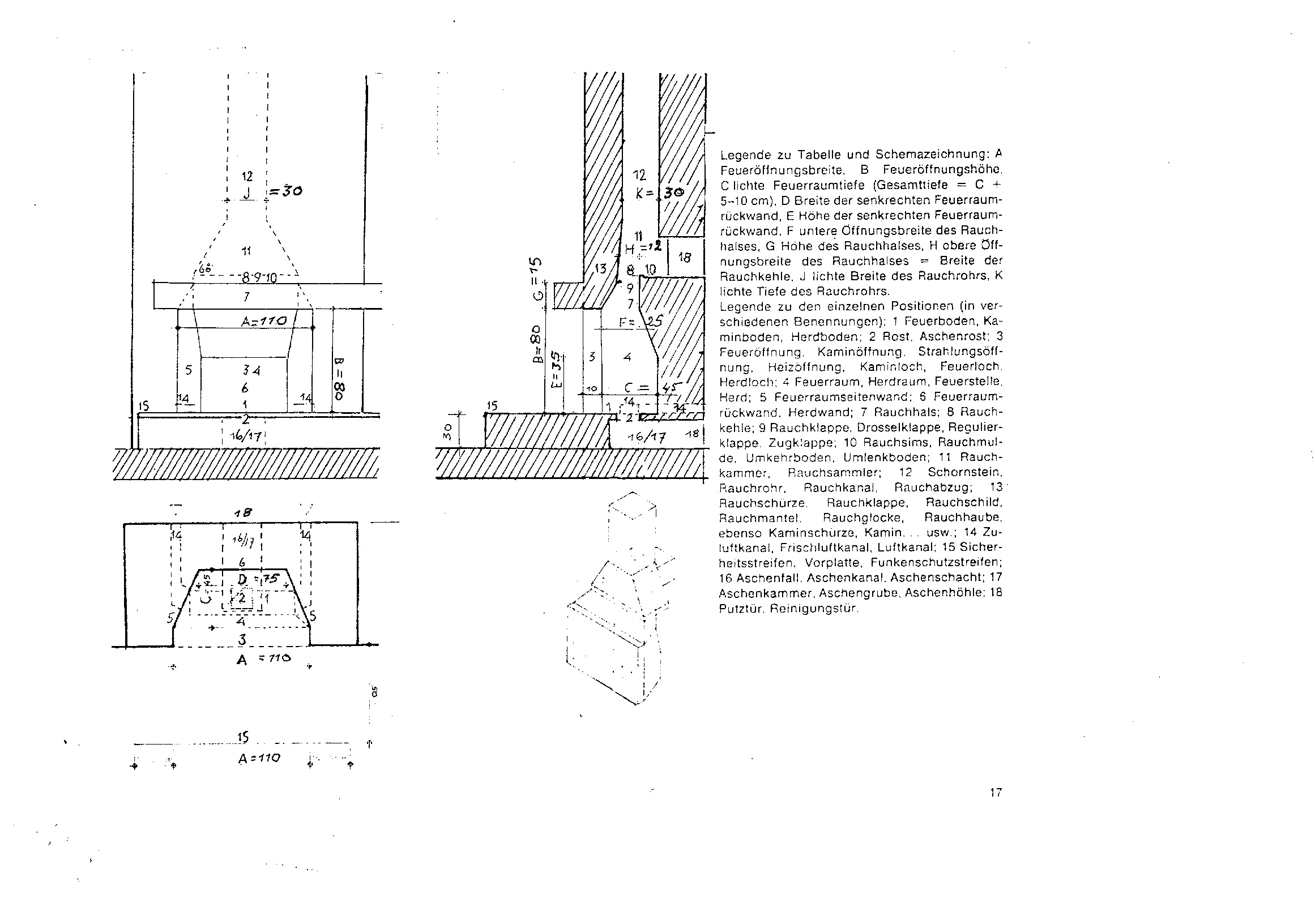
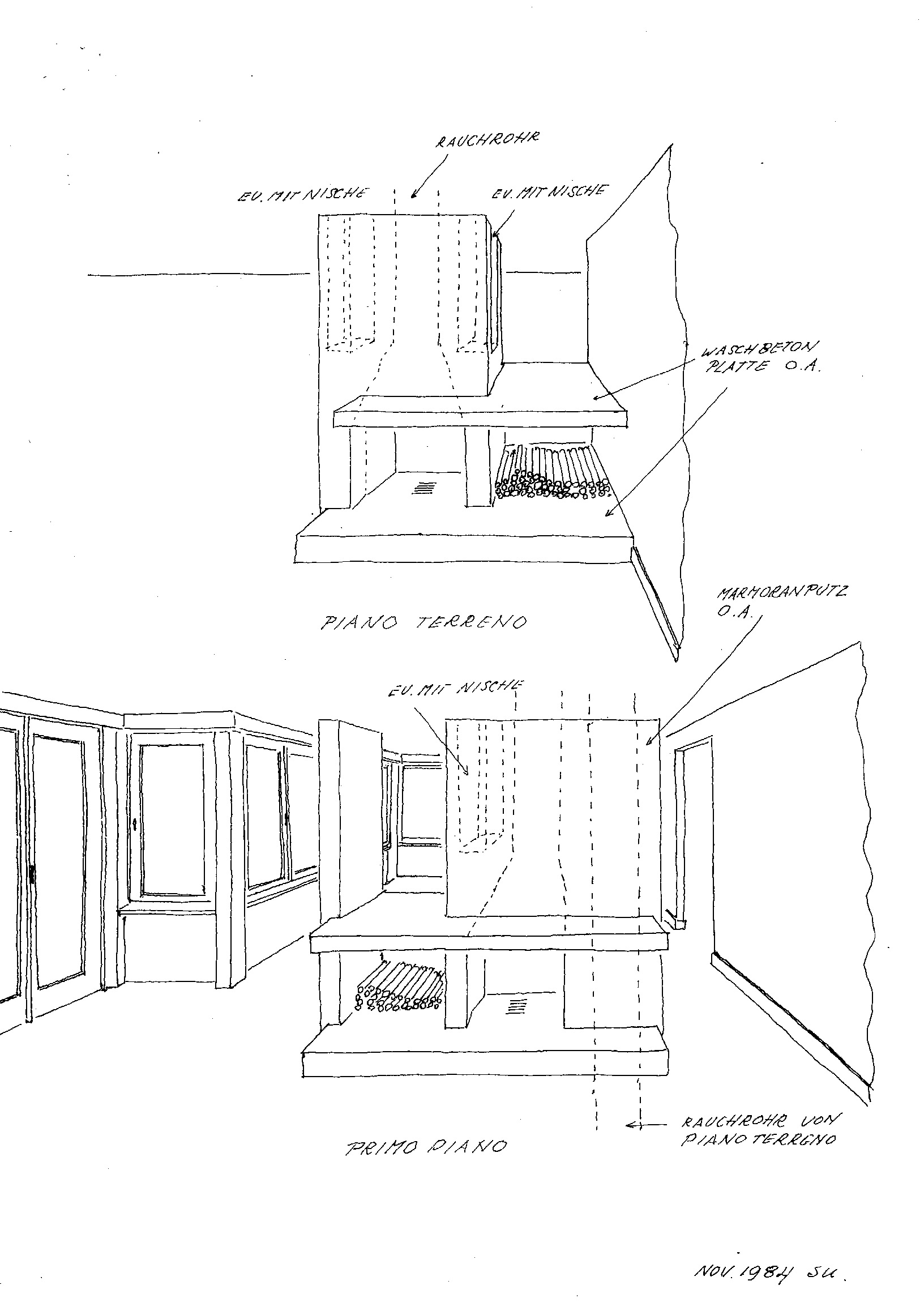
Views of Invisible Trajectories (Indonesia, 80s-90s)
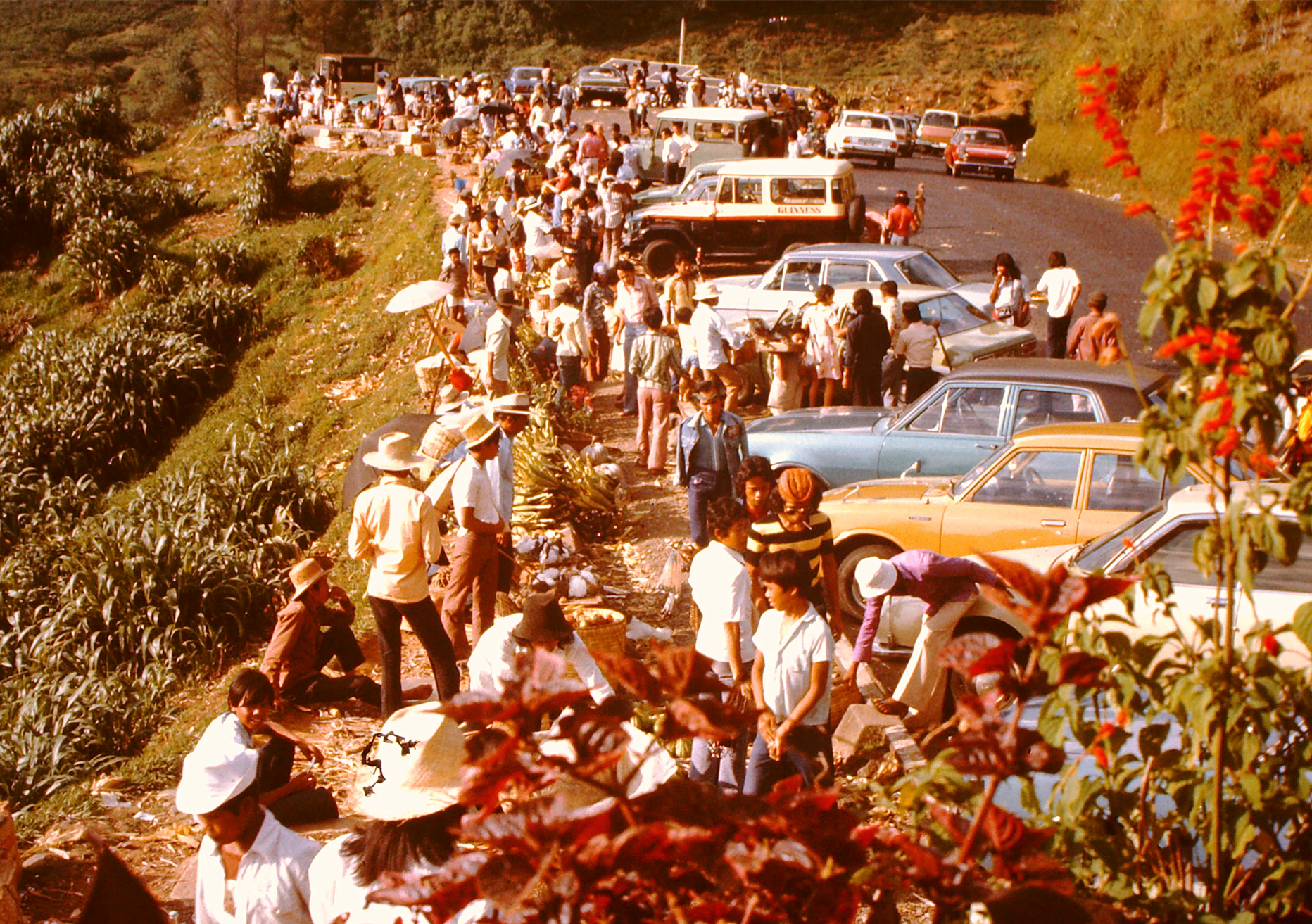
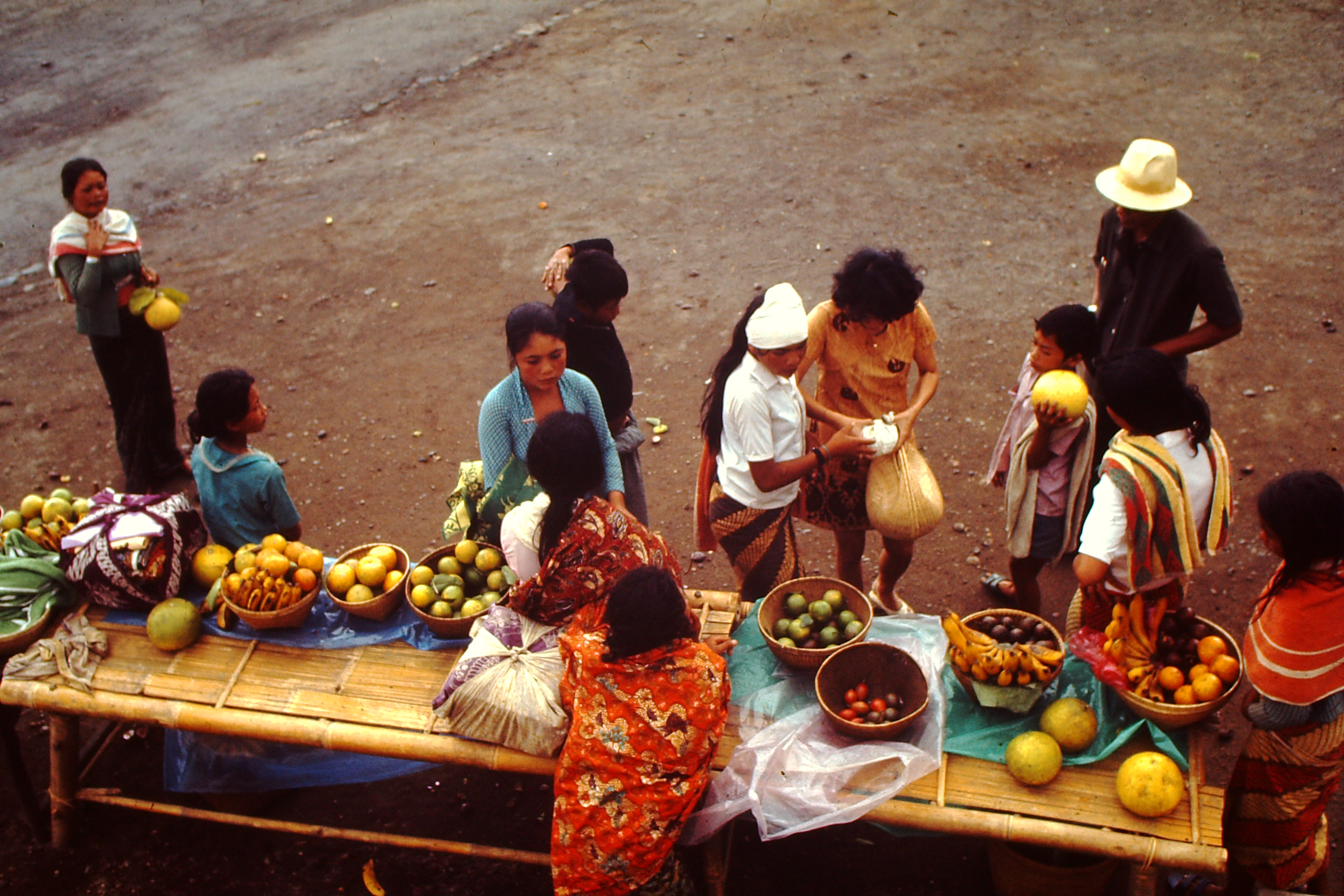
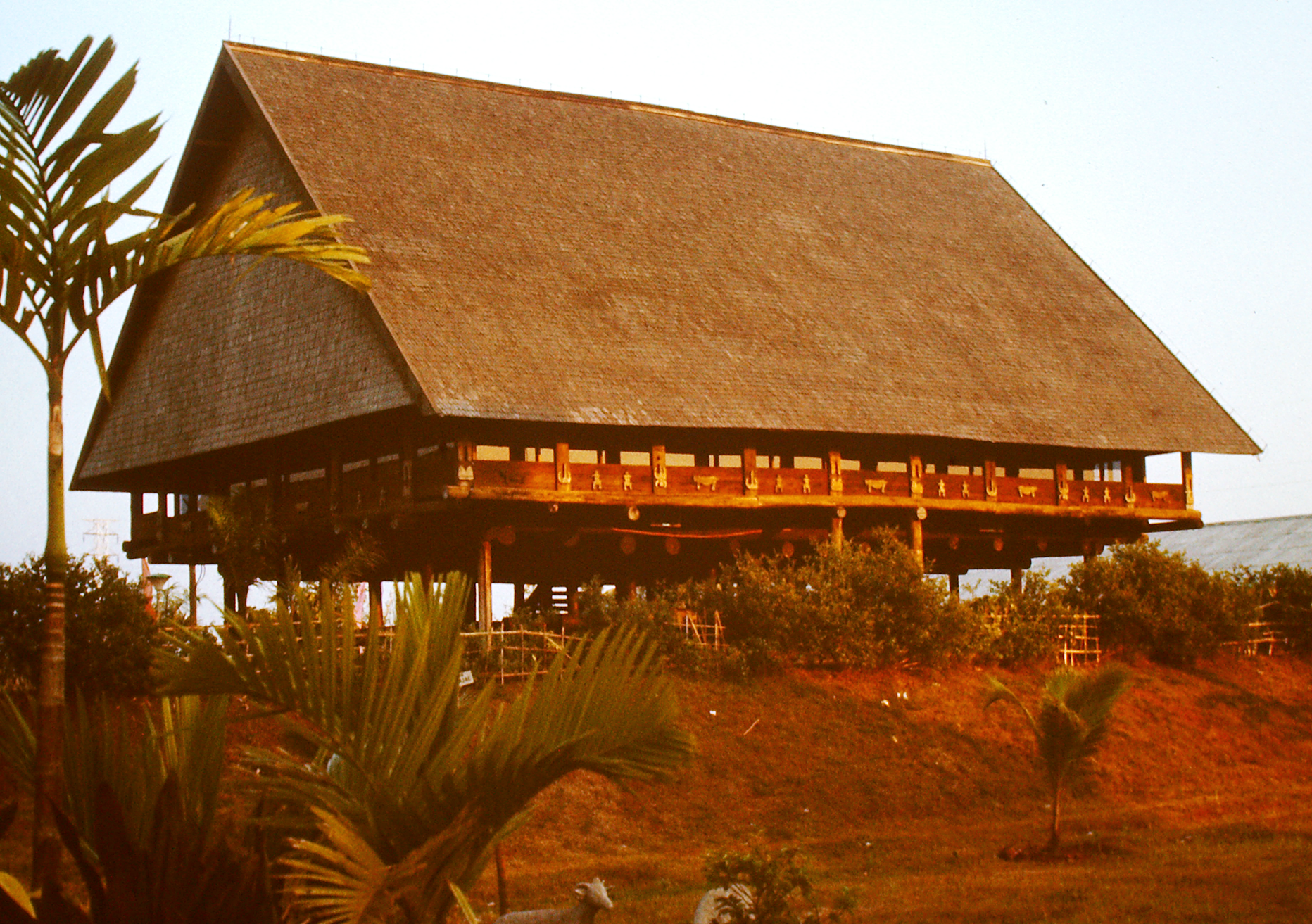
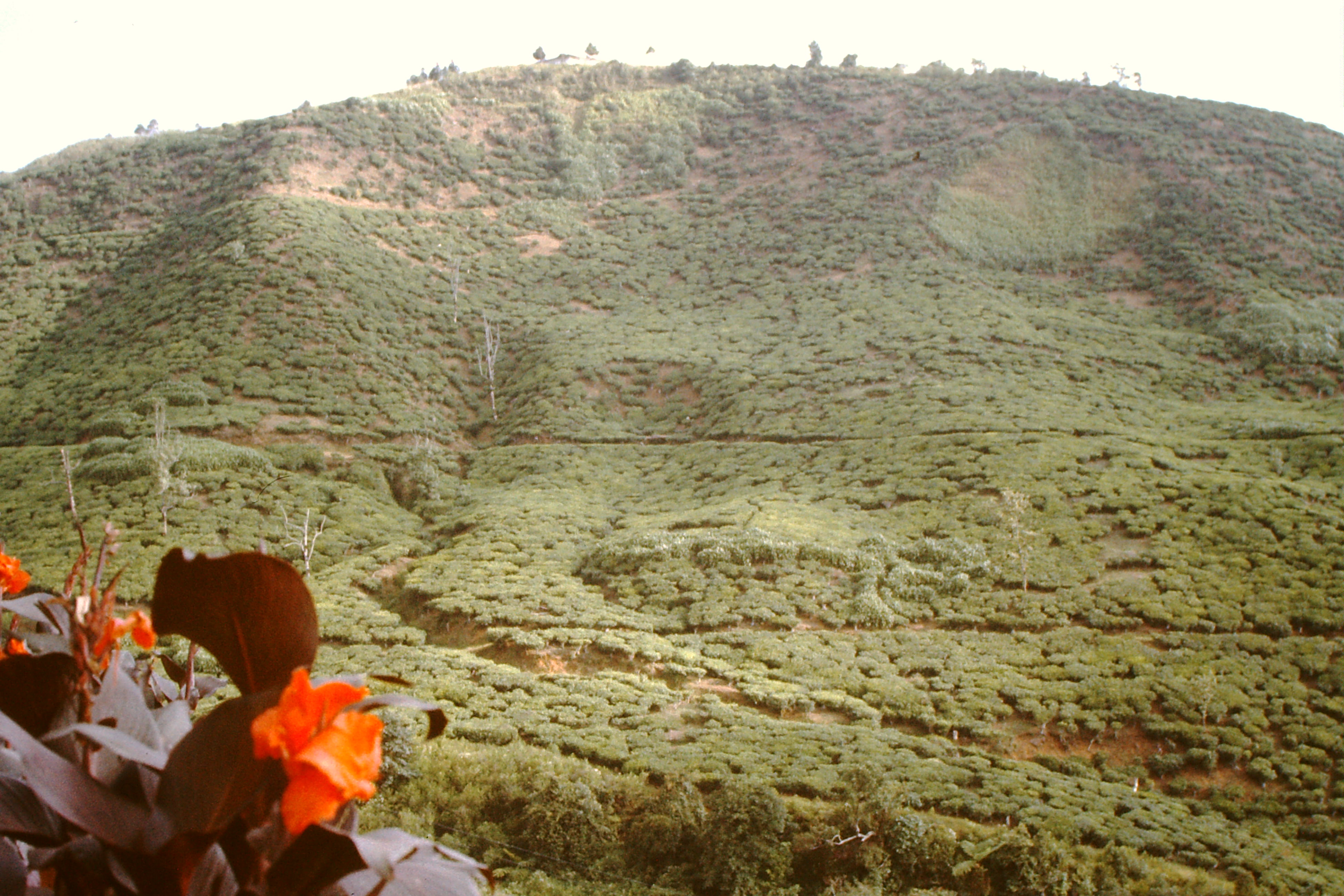
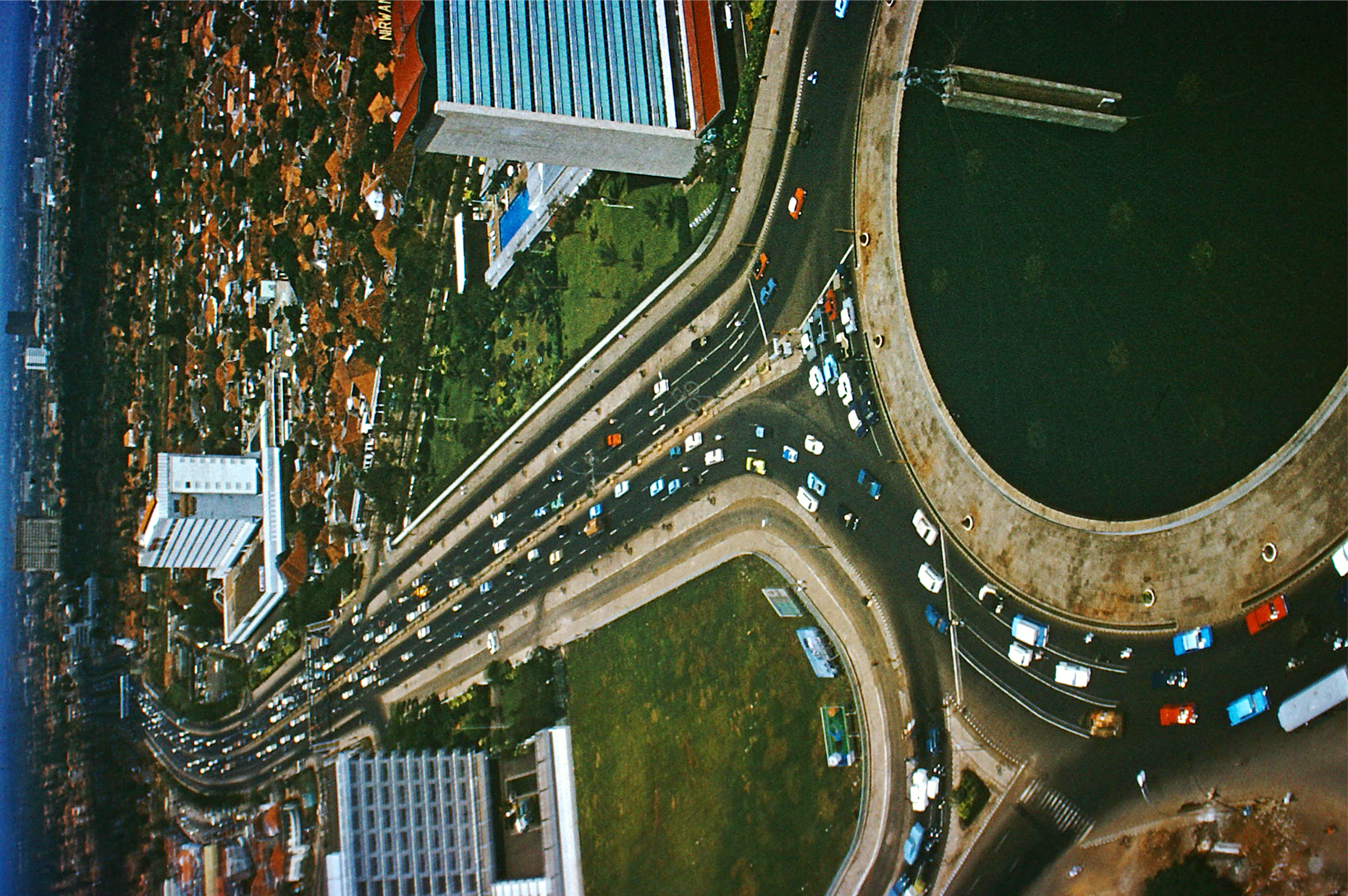
Visiting Bali and Jakarta in the 1980s-1990s.
Courtesy of Herianto Sulindro & the Kho Family.
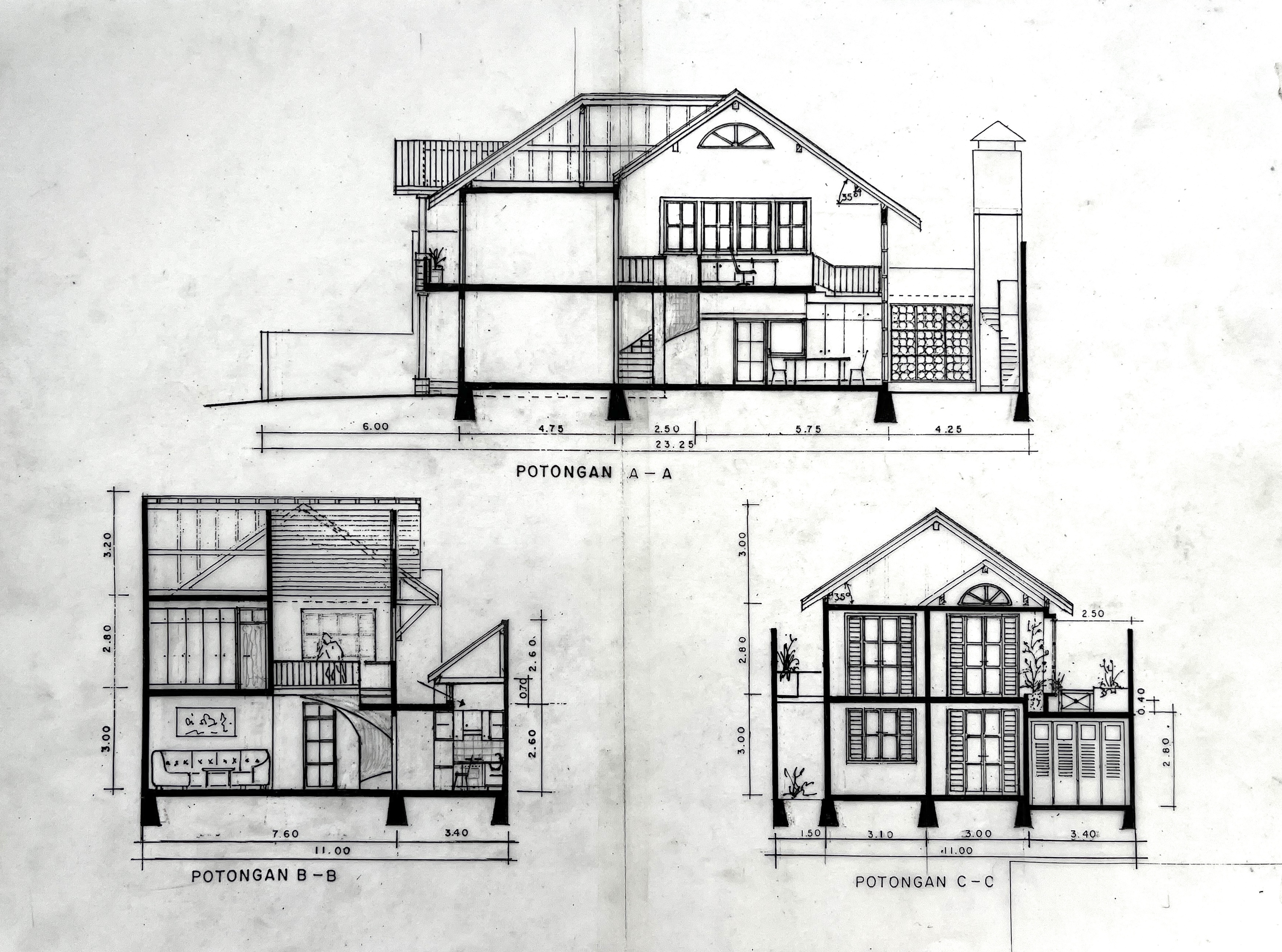
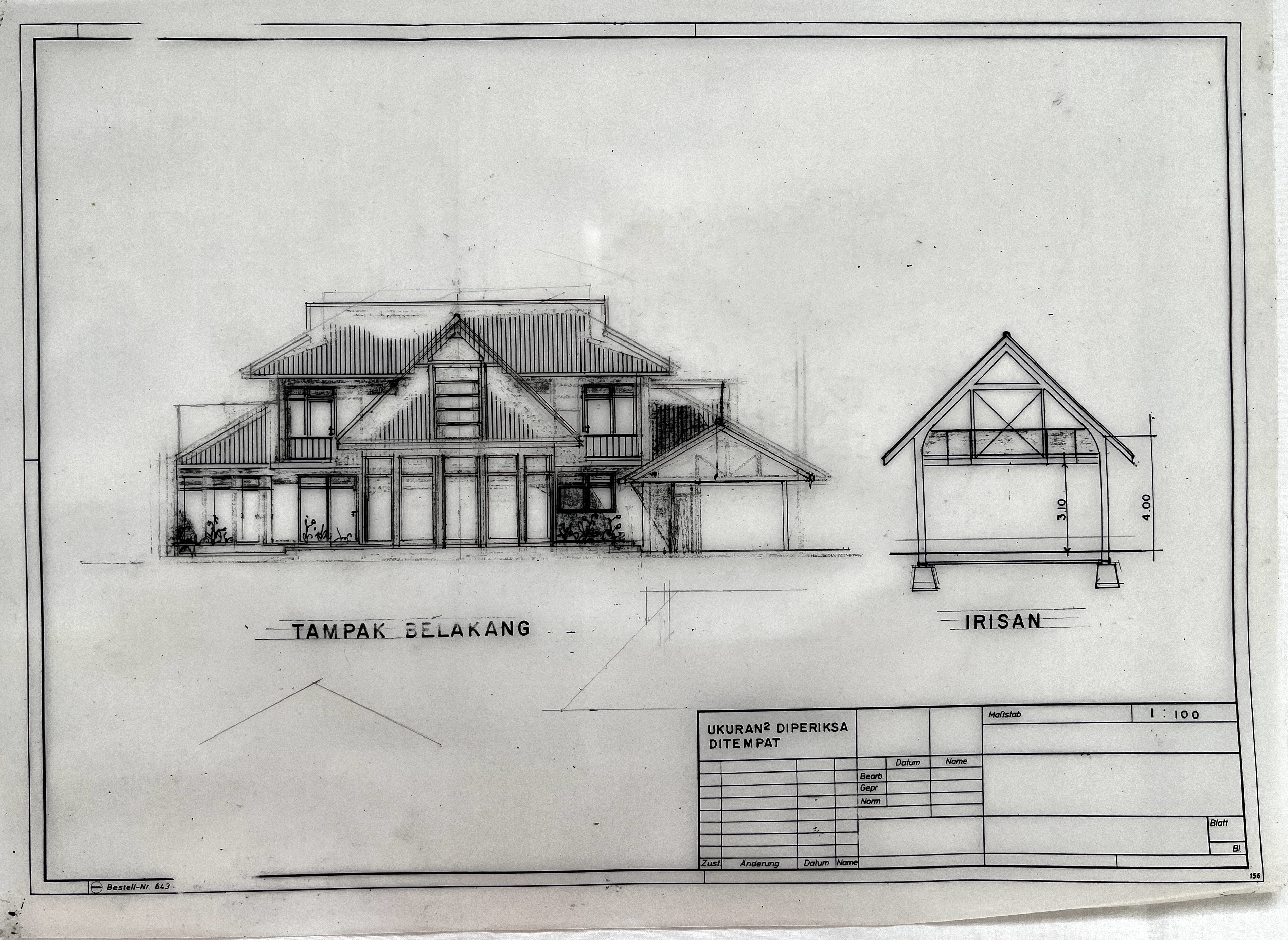
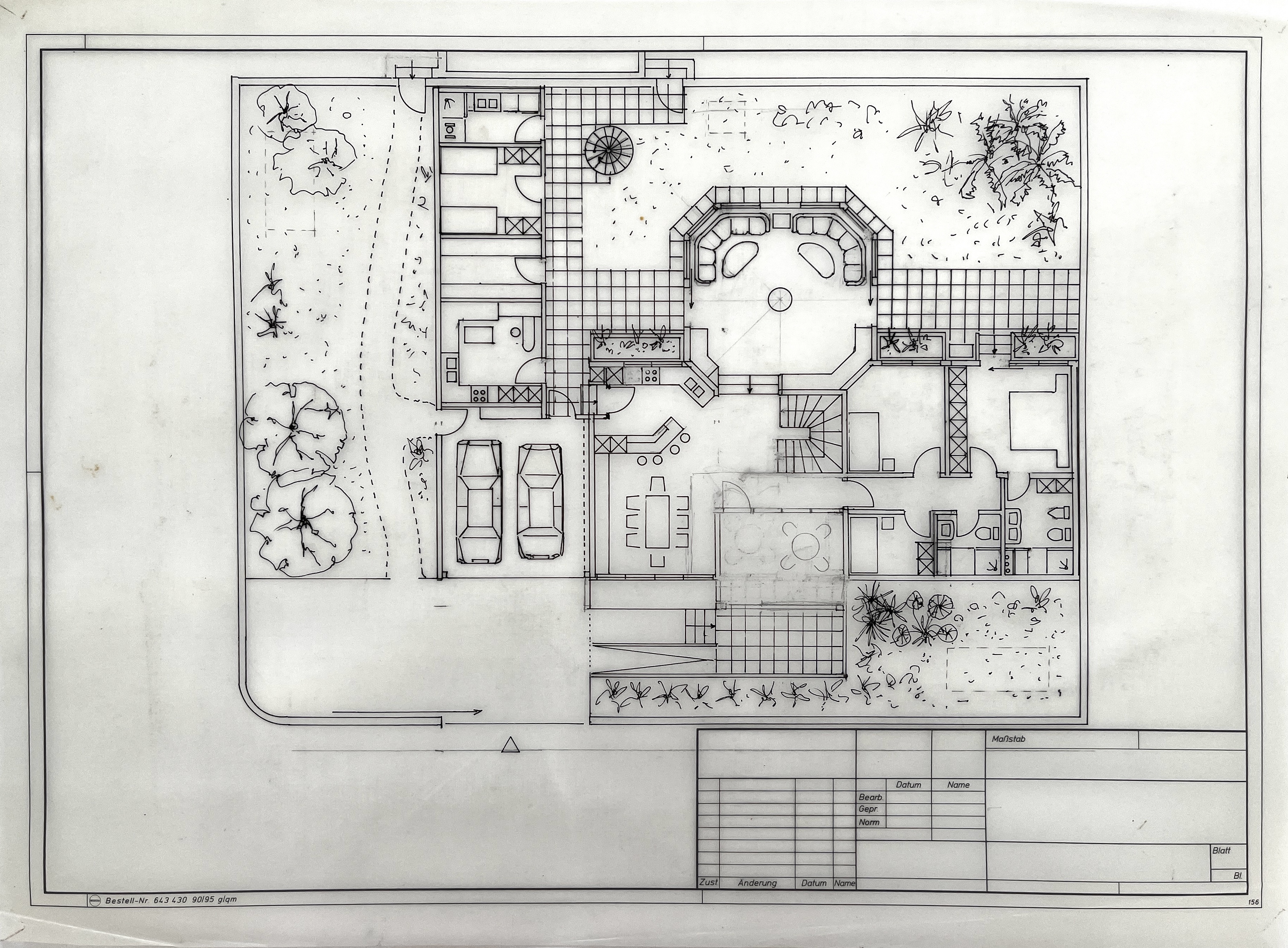
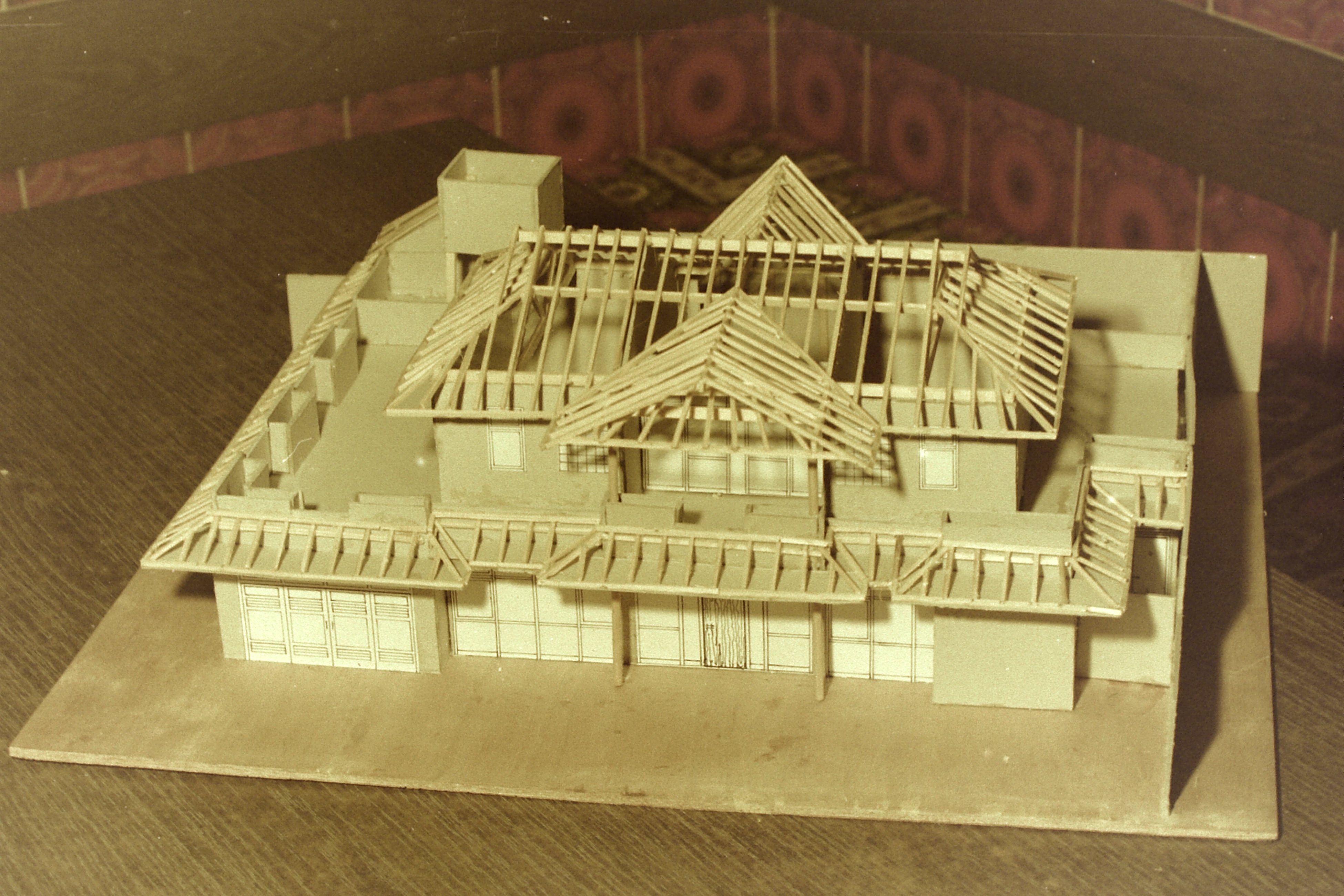
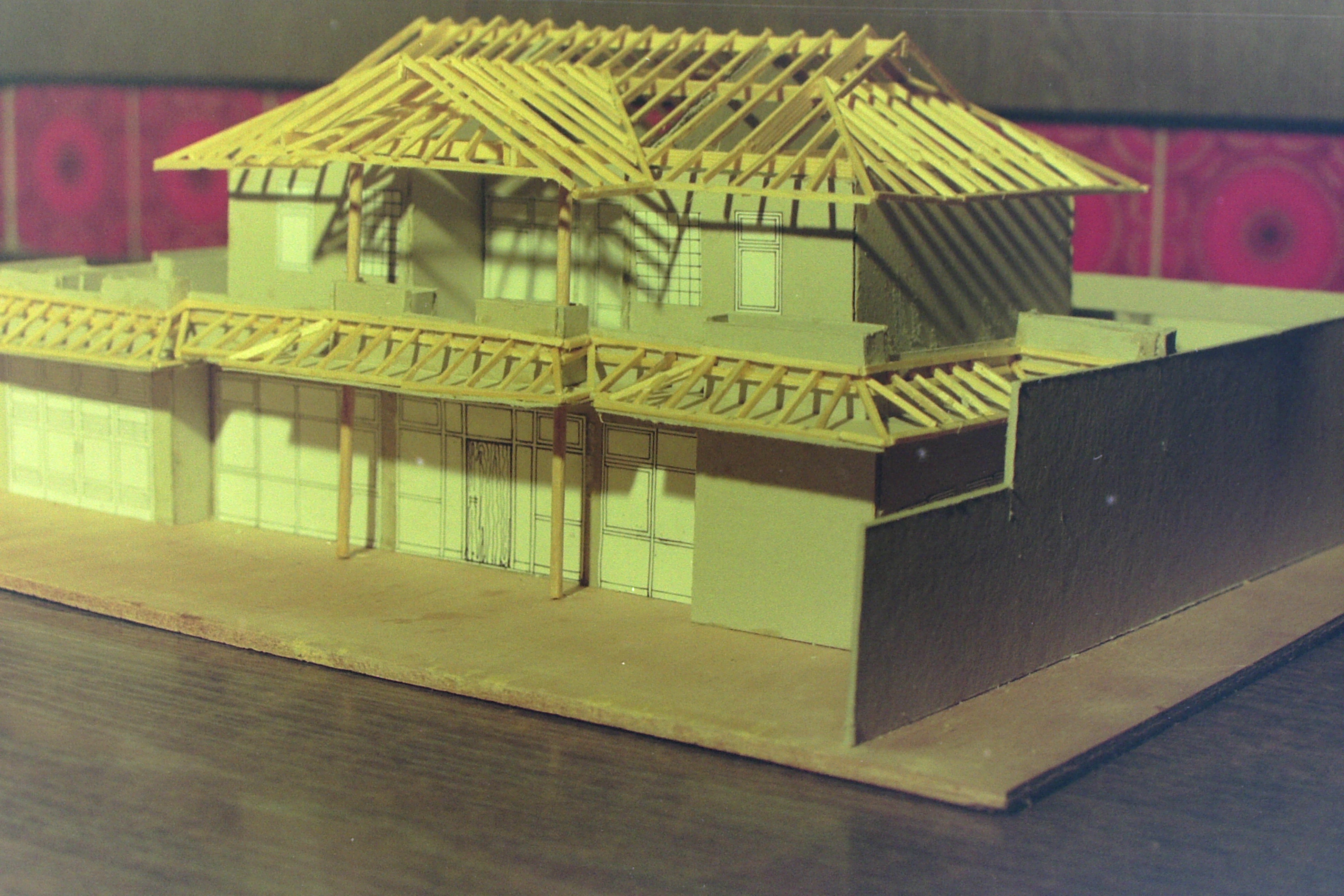
The residential house project in Magelang, Central Java (1987), designed by Herianto Sulindro. We discovered a series of materials, including models, blueprints, and over four interior design plans, along with site visit photos. Courtesy of the Kho Family.
Paintings from Herianto Sulindro (Indonesia, 2021-2025)
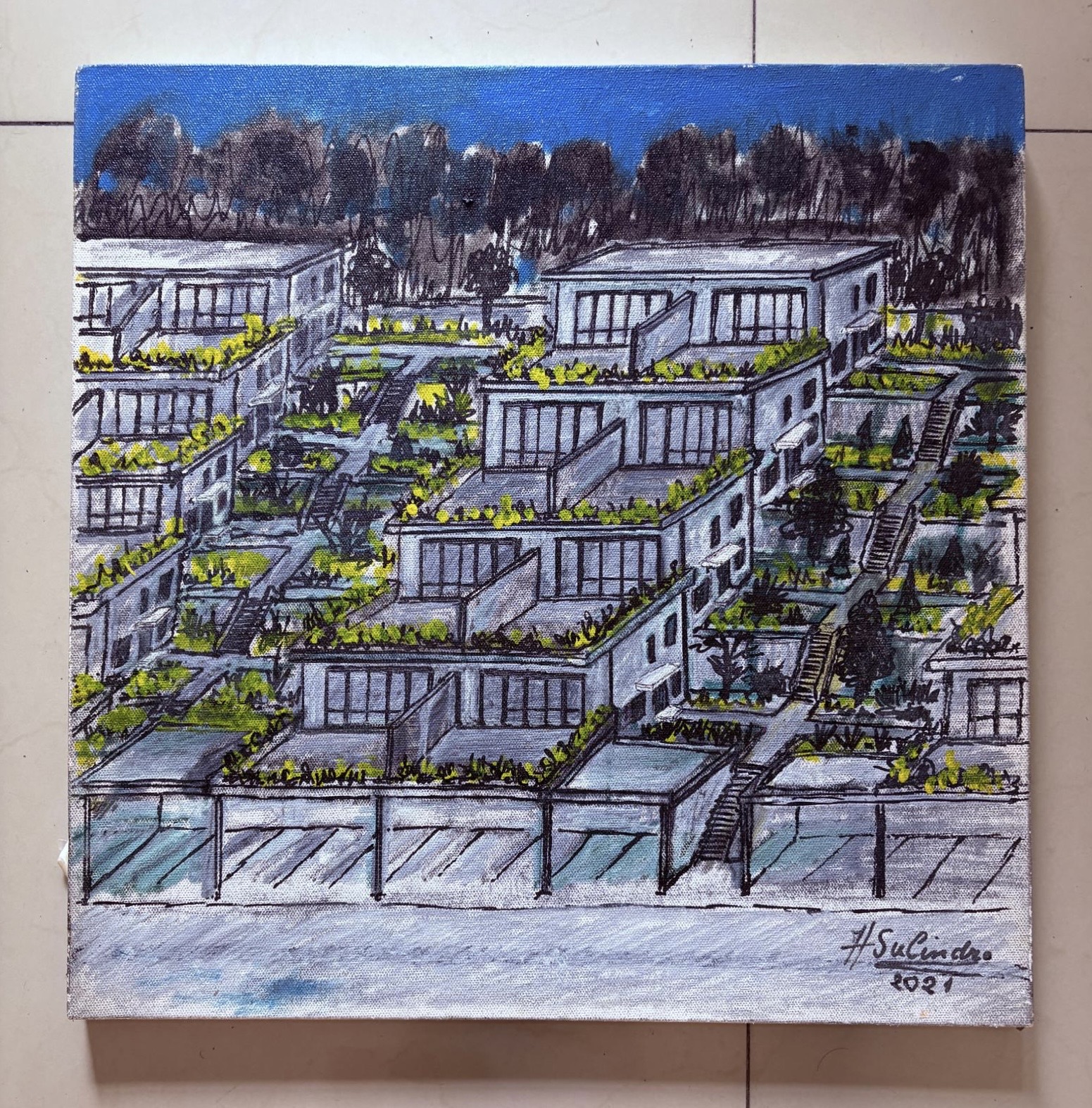
The landscape of urban project
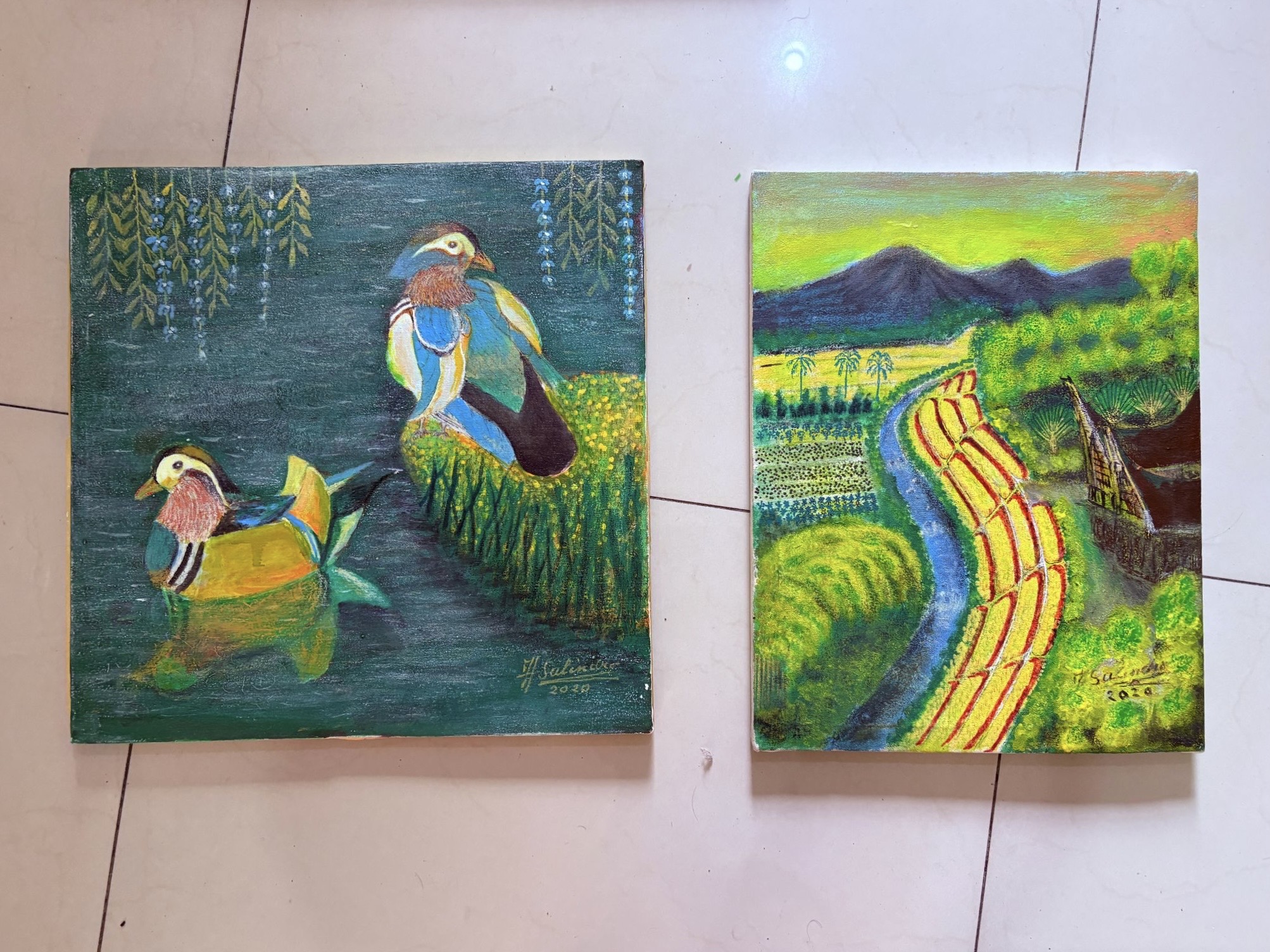
Herianto Sulindro created numerous paintings depicting nature and various creatures, capturing his deep appreciation for the natural world through his artistic vision.
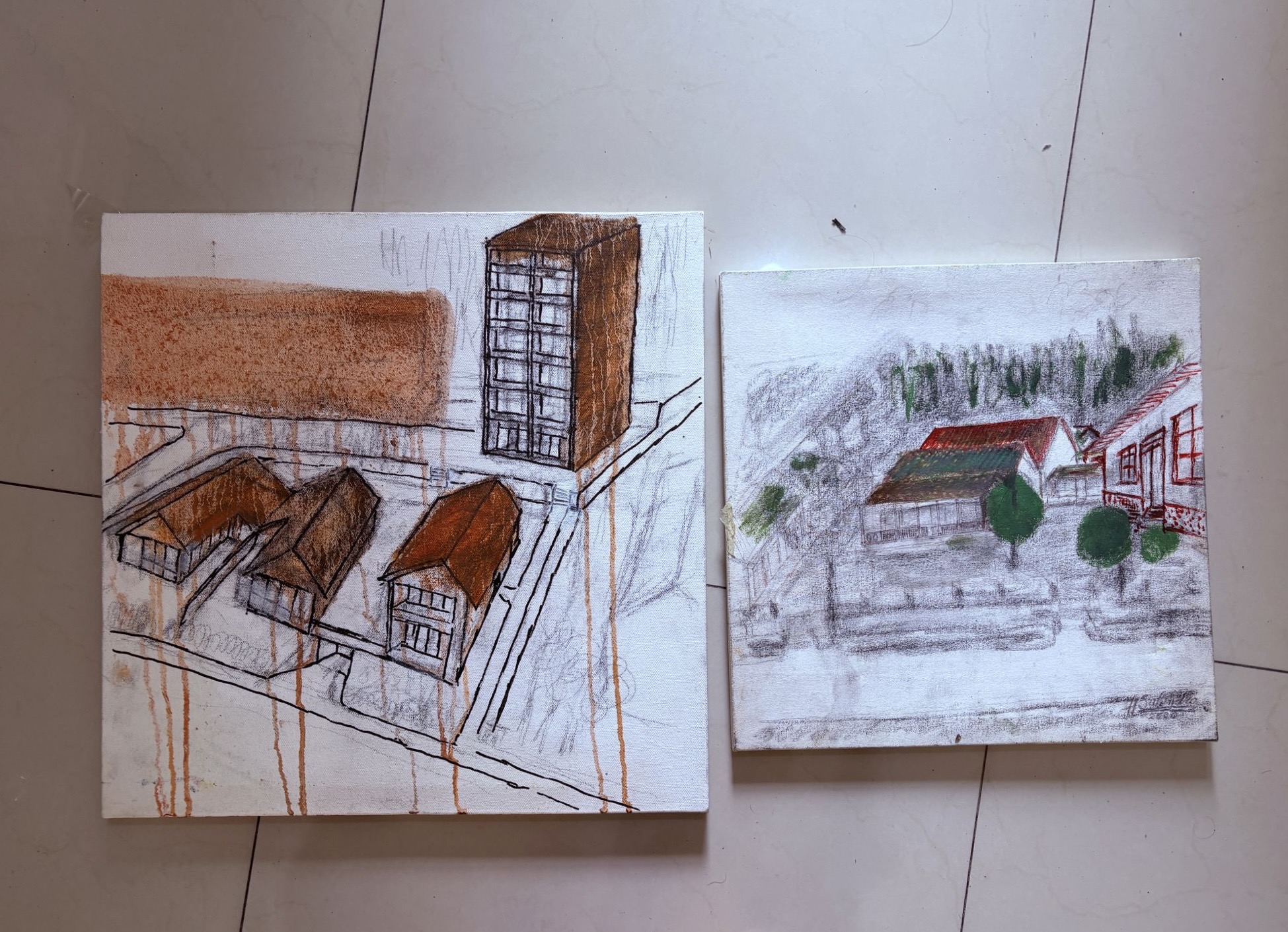
Unfinished paintings
After retiring and returning to Indonesia in 2017, he moved to Rukun Senior Living in Sentul, near Bogor. From 2022, SUAVEART collaborated with his daughter, Linda Lochmann-Sulindro, and the KHO family to continue research and organize architectural archive projects. On March 24, 2025, he passed away and was laid to rest at San Diego Hills Memorial Park in Karawang, West Java.
Courtesy of Herianto Sulindro & the Kho Family.
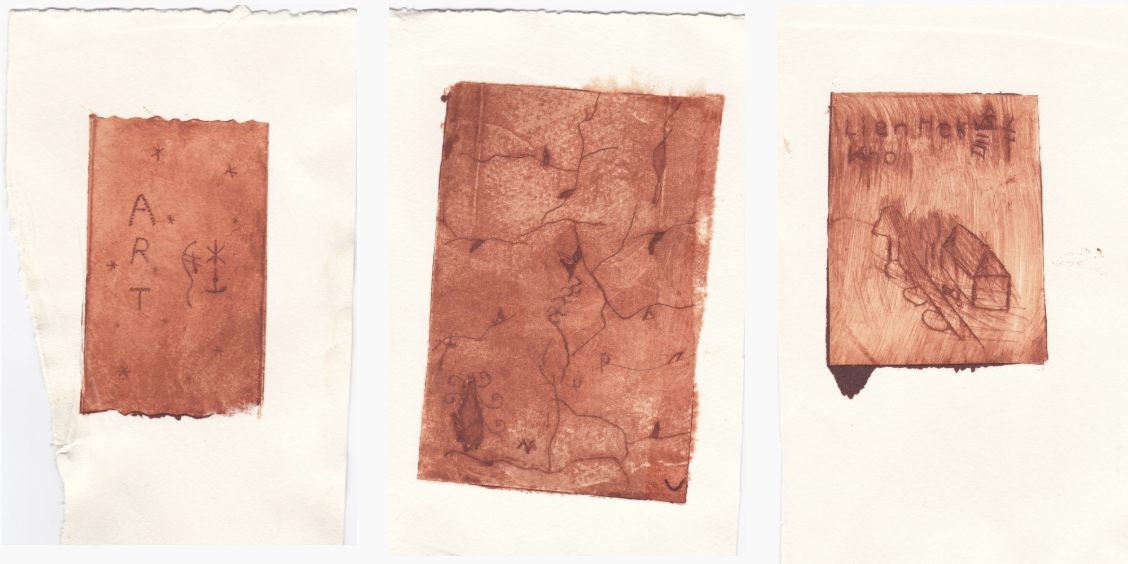
E-catalogue
Recent Activities
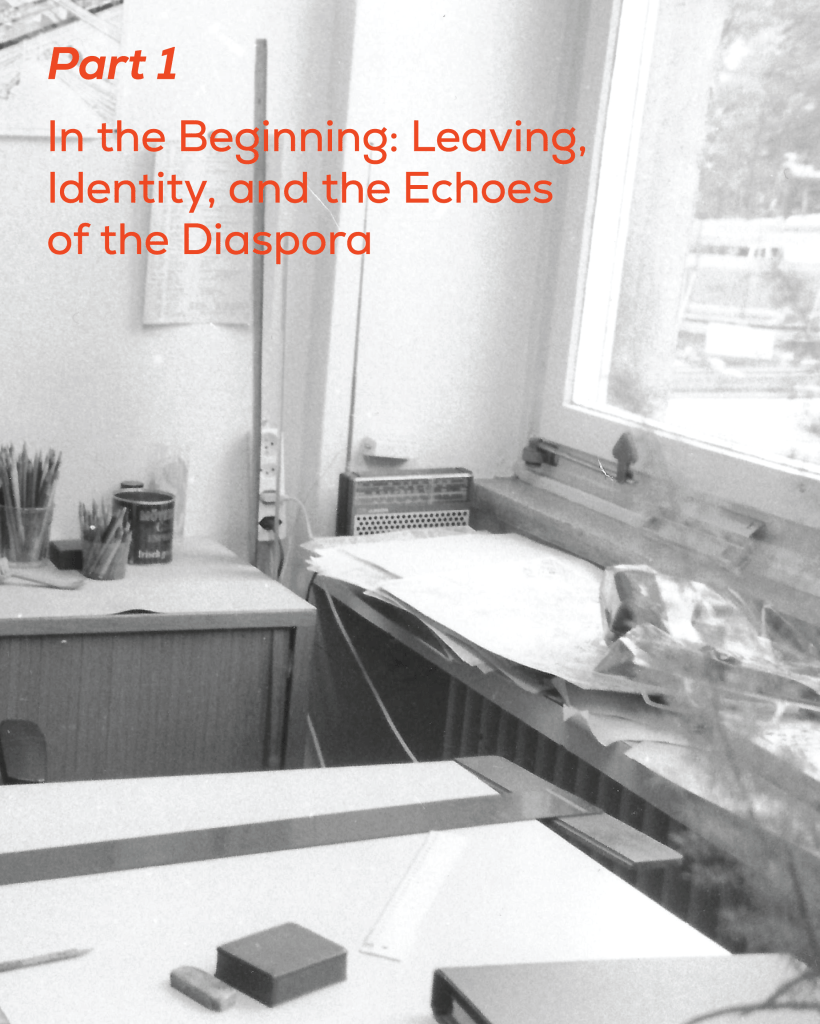
Article I
In the Beginning: Leaving, Identity, and the Echoes of the Diaspora
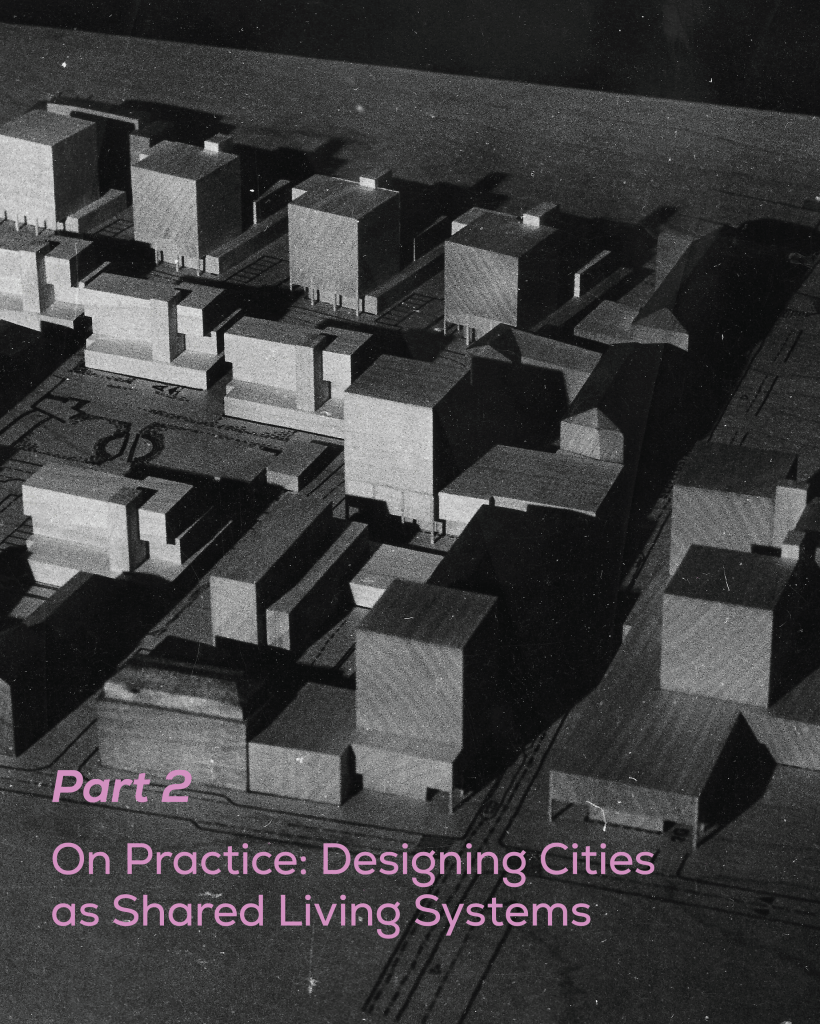
Article II
On Practice: Designing Cities as Shared Living Systems
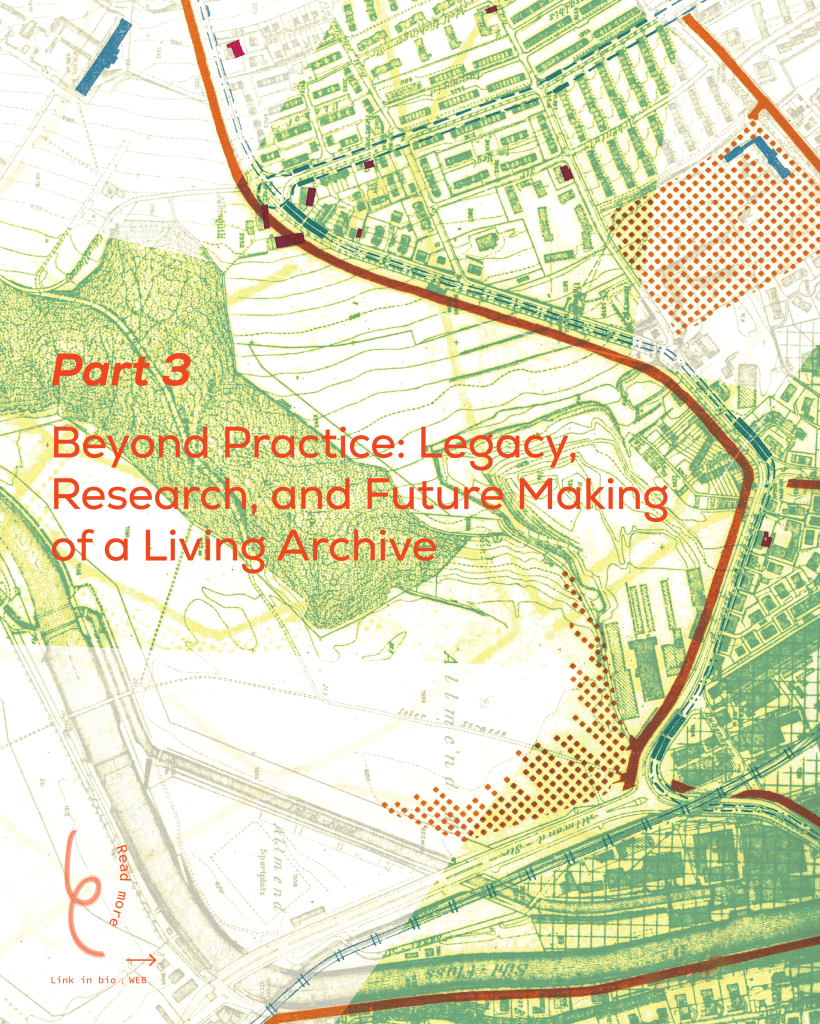
Article III
Beyond Practice: Legacy, Research, and Future Making of a Living Archive
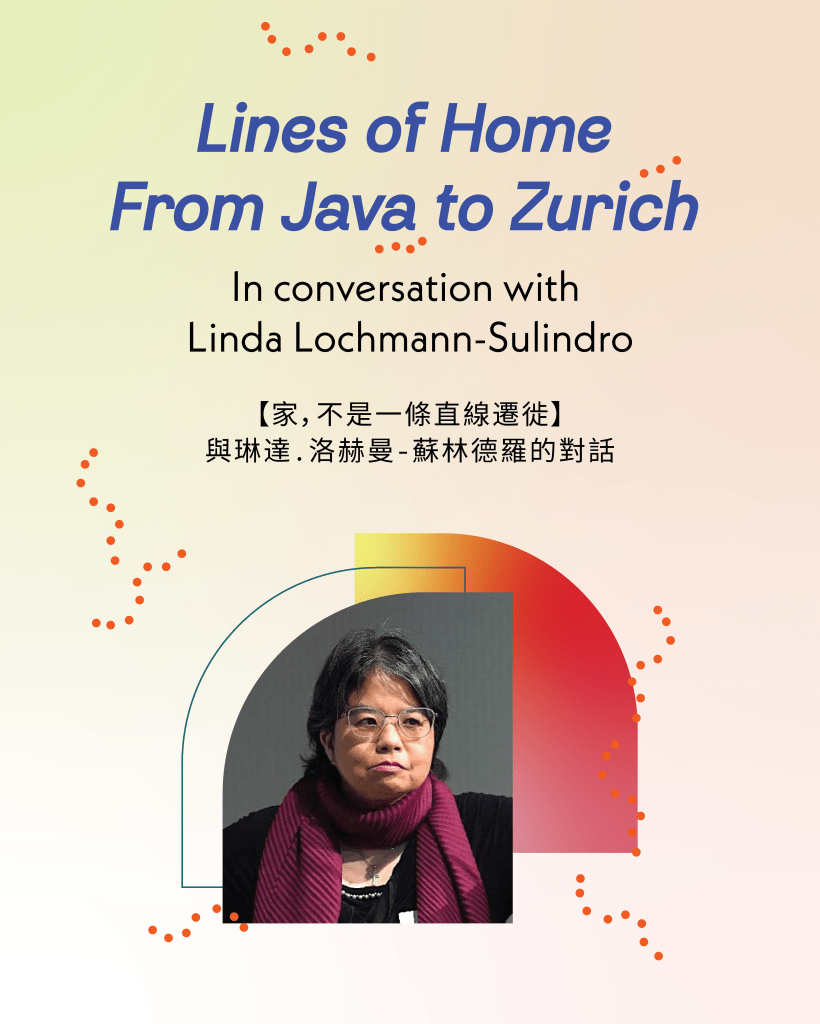
Lines of Home from Java to Zurich: In conversation with Linda Lochmann-Sulindro
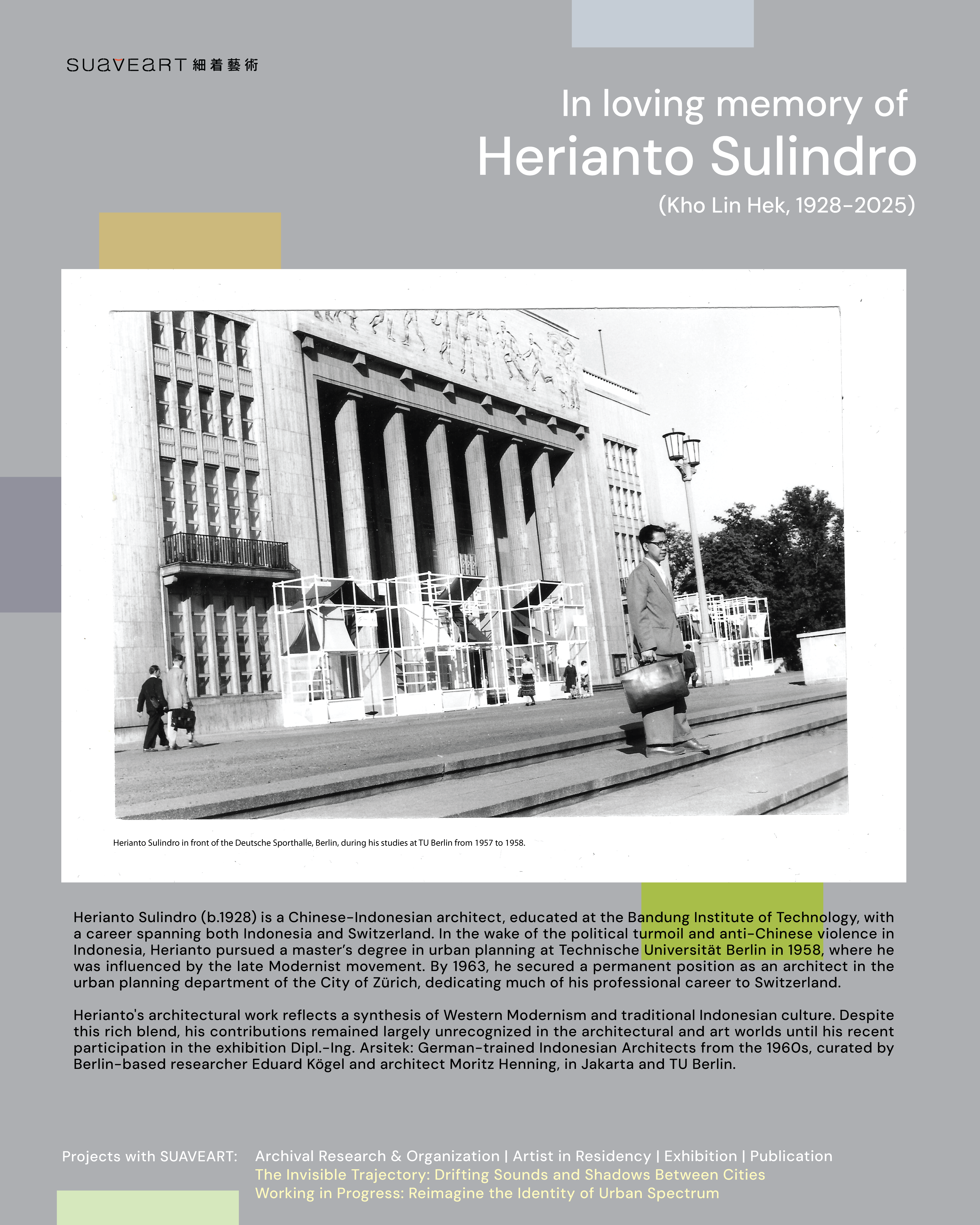
Honoring the Life and Legacy of Herianto Sulindro (KHO Lin Hek)
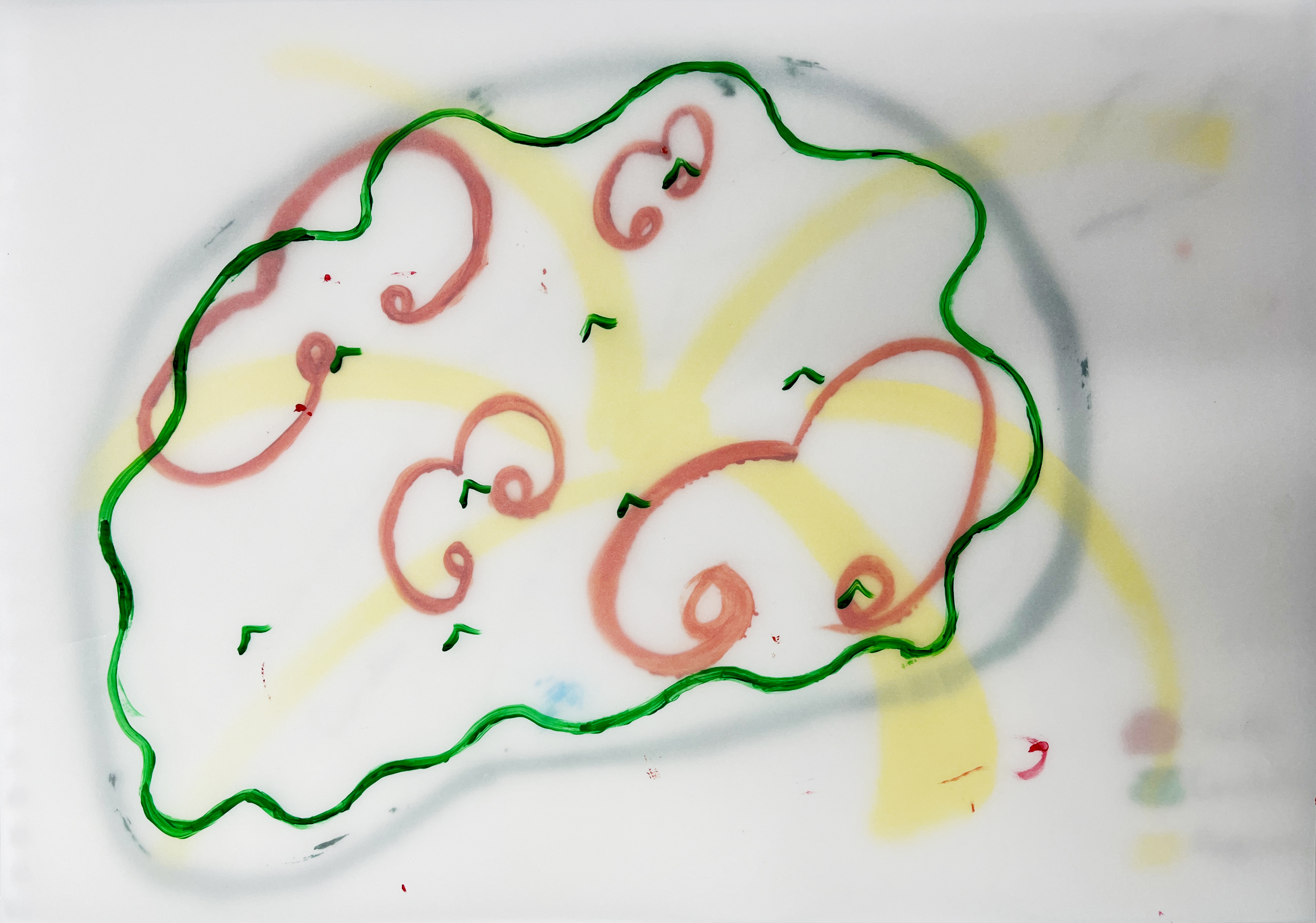
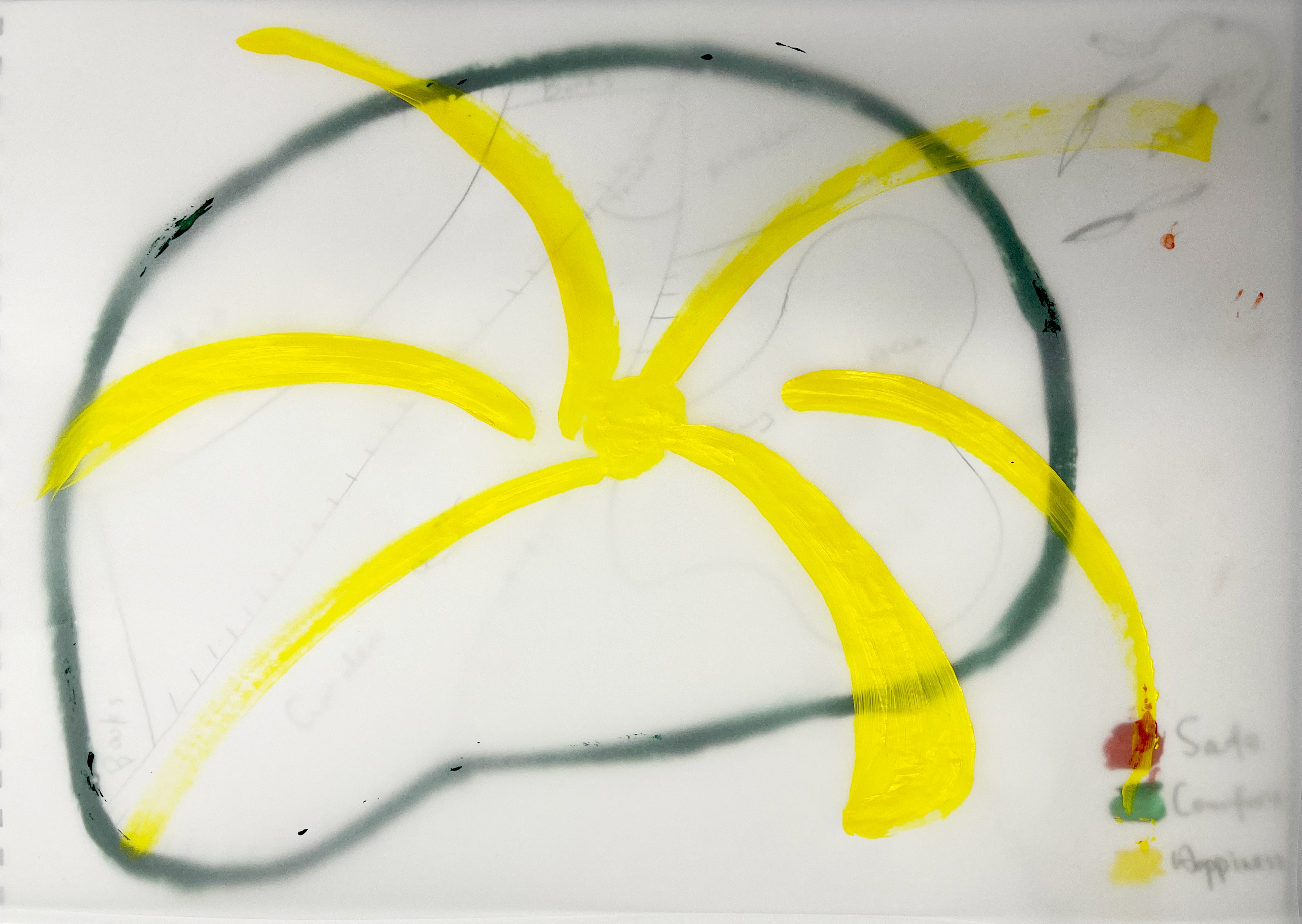
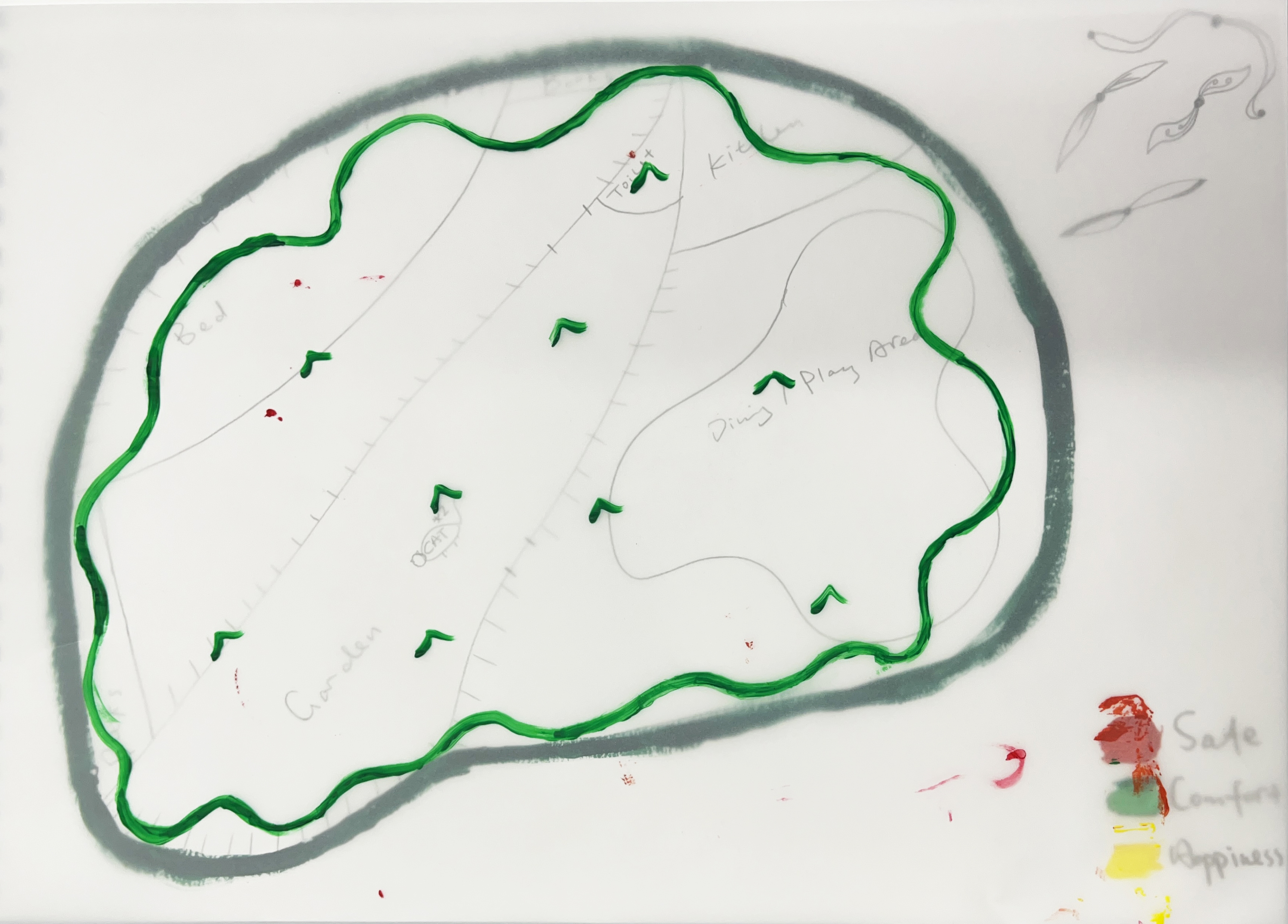
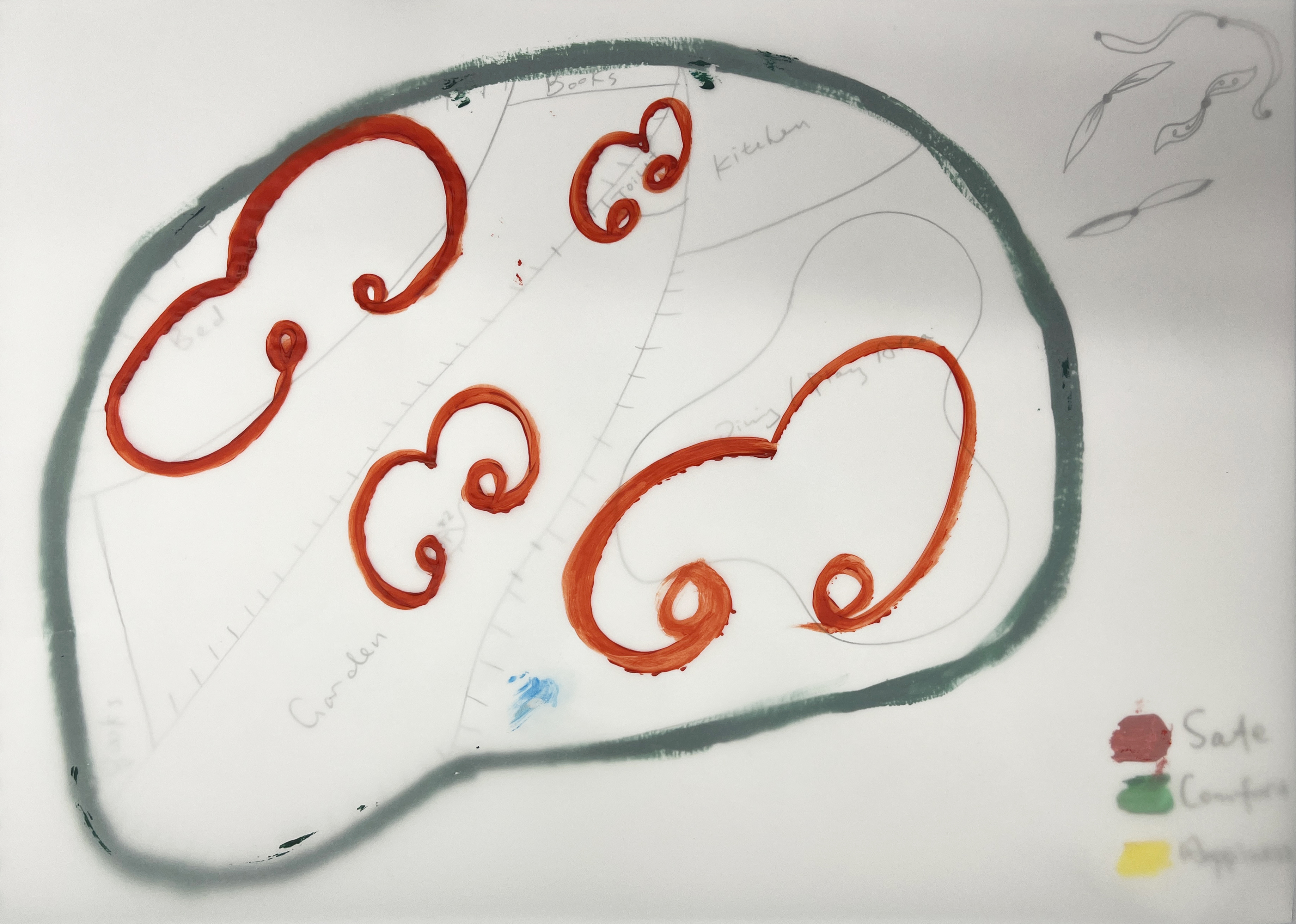
Wanderers’ Footprints is a virtual open space that constitute a series of different artistic exploration that discover the fragments of trajectories from Wanderers.
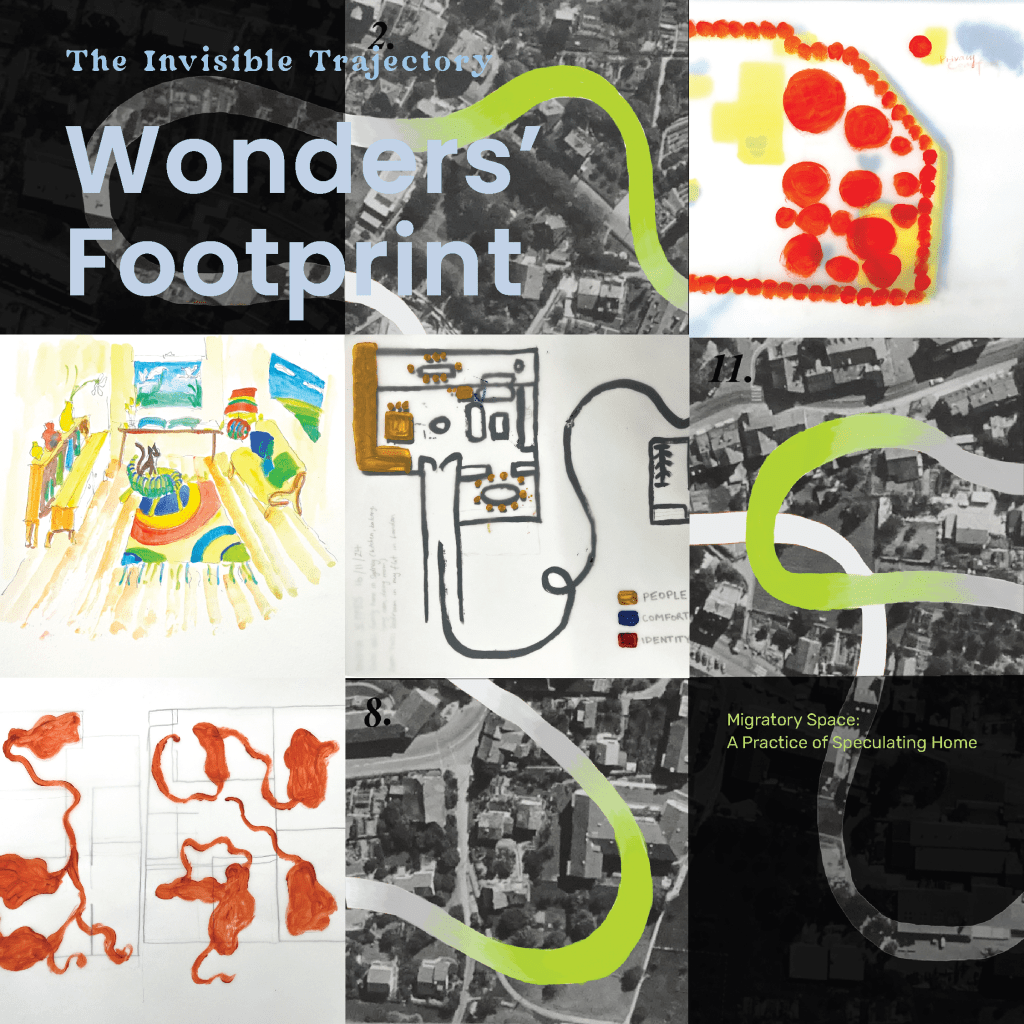
Wanderers’ Footprints
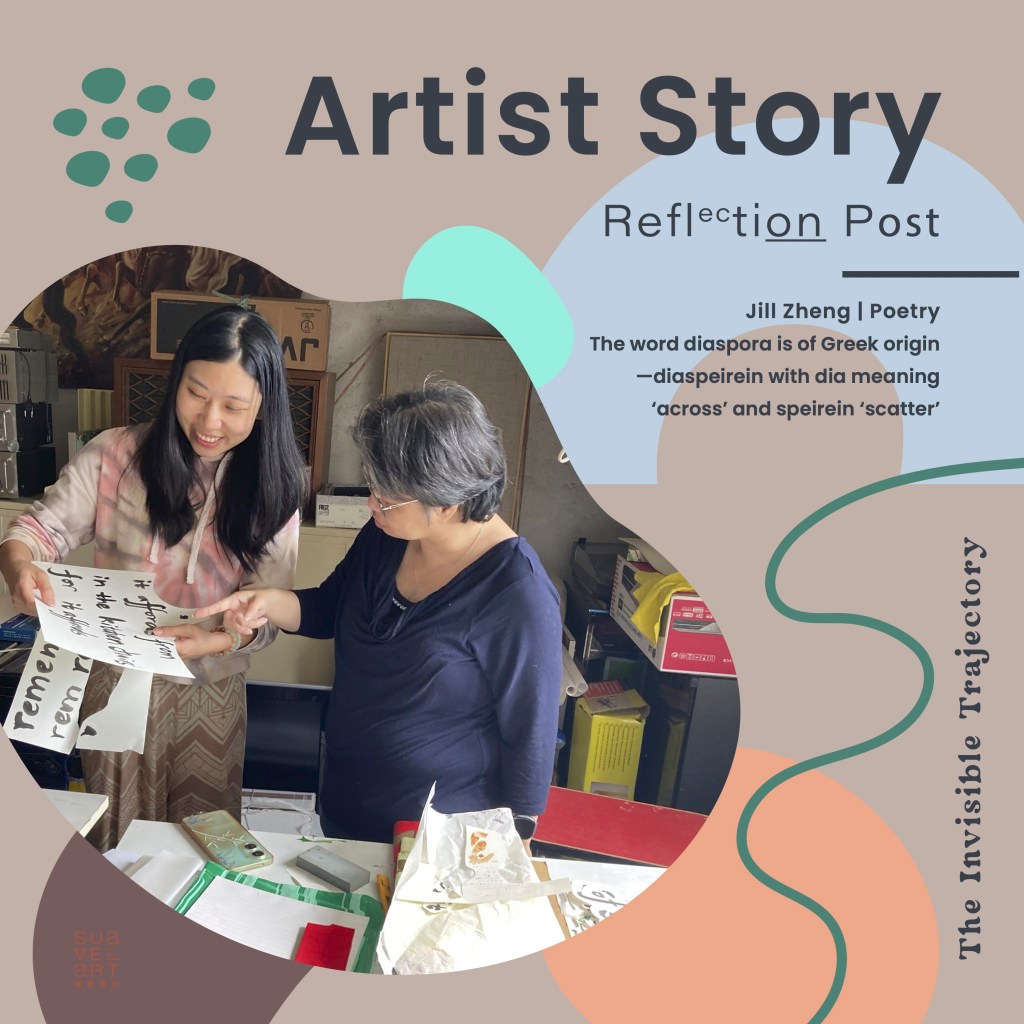
Reflections on Working in Progress—Artist Jill Zheng
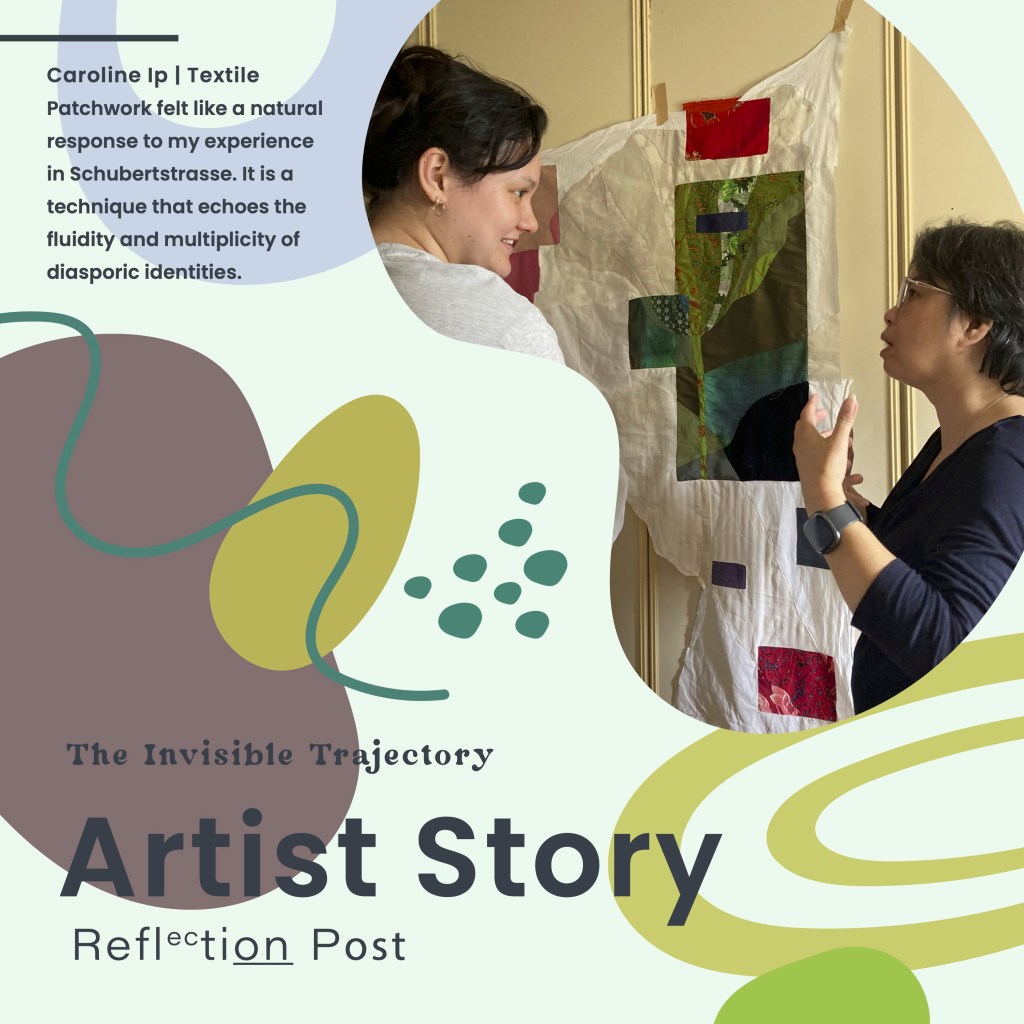
Reflection / Introduction to Artwork and Progress—Artist Caroline Ip
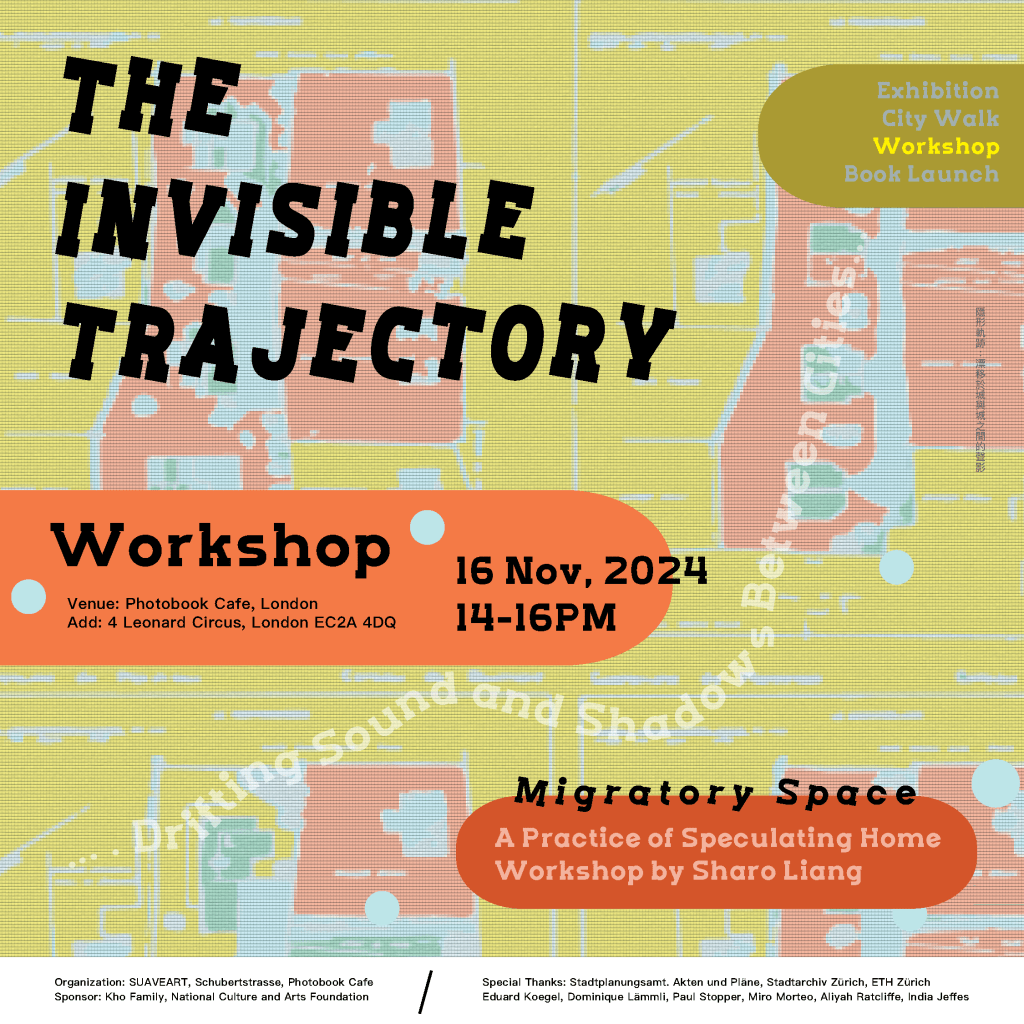
Workshop
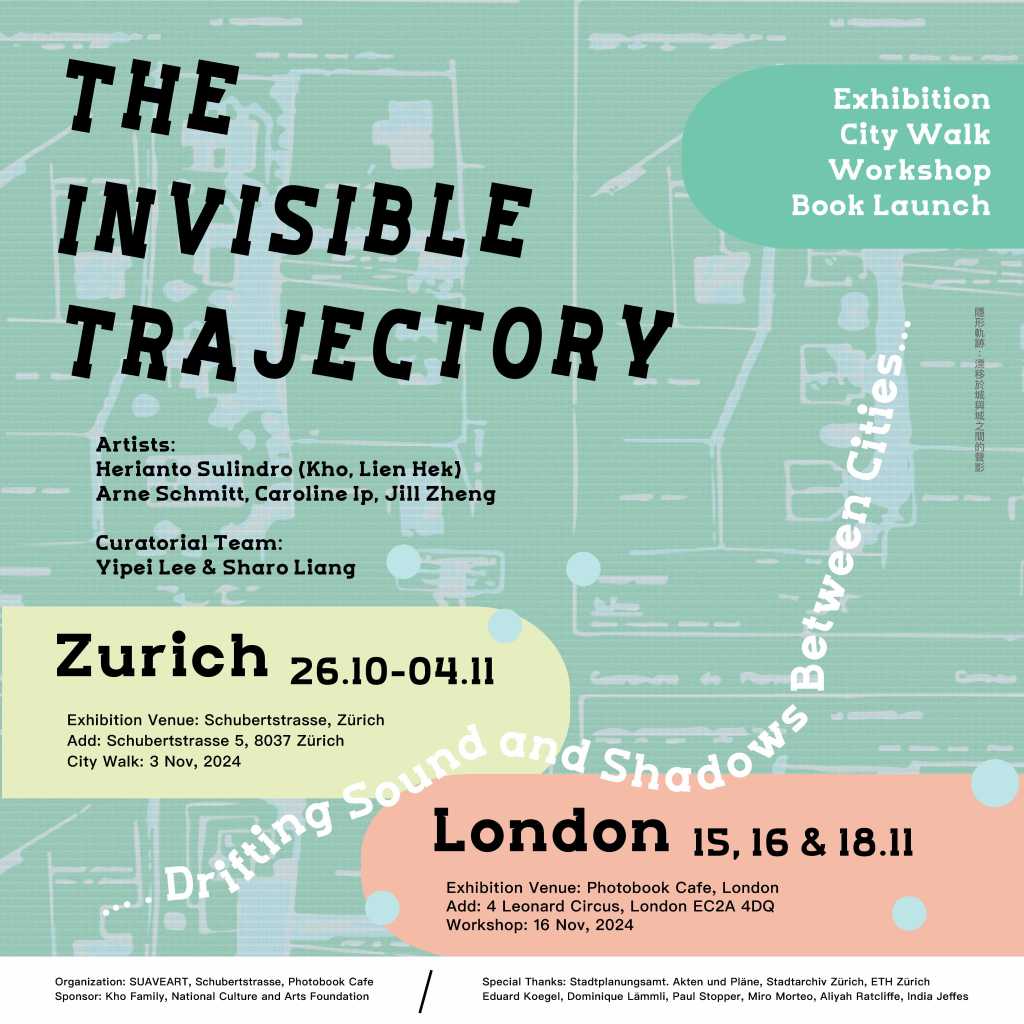
Exhibition
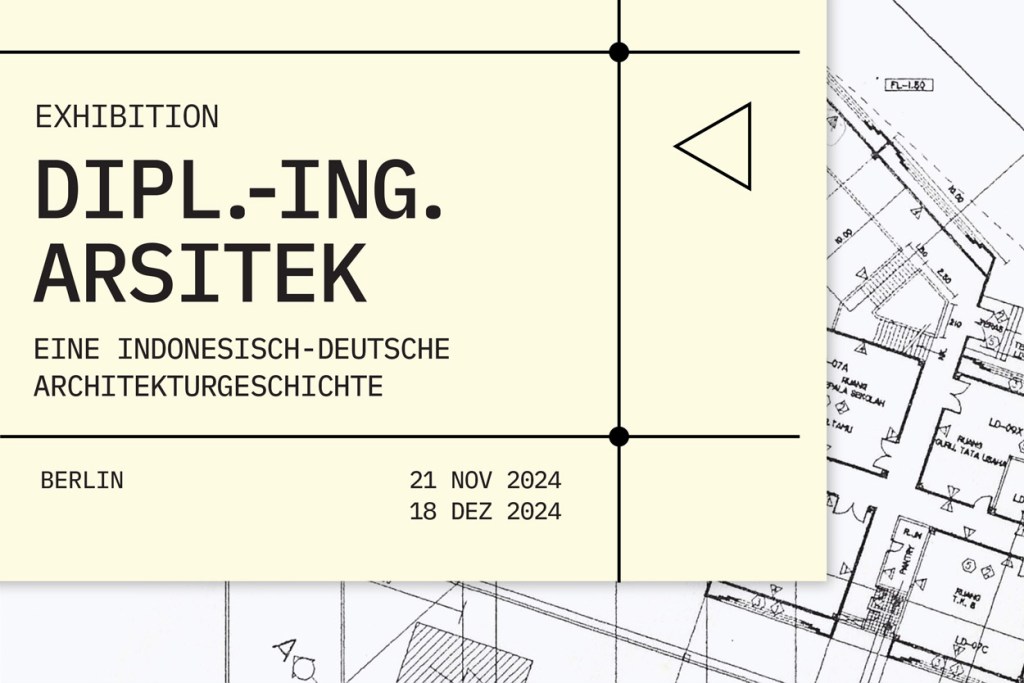
Herianto Sulindro is part of Exhibition “Dipl.-Ing. Arsitek: An Indonesian-German Architectural History” and a series activities at Technische Universität Berlin, Institut für Architektur, Forum

Artist in Residency
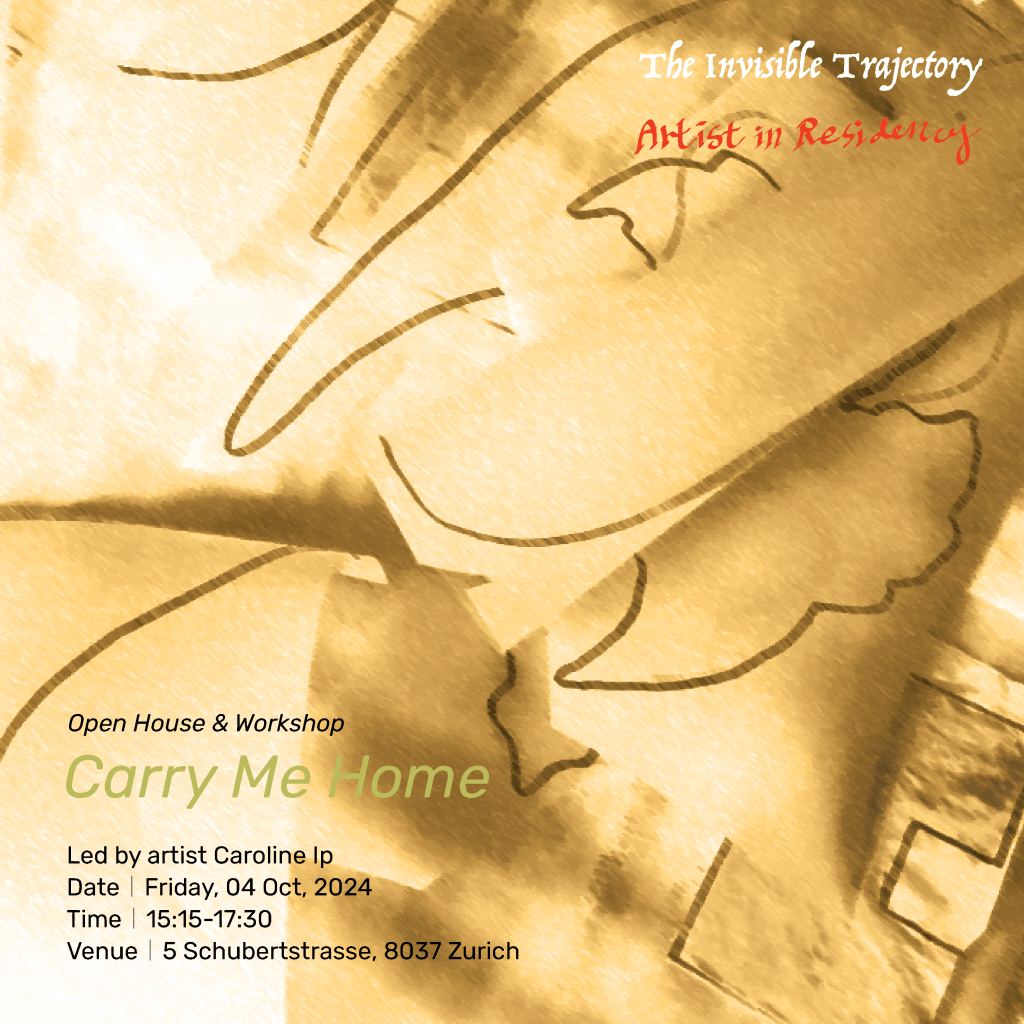
Artist in Residency
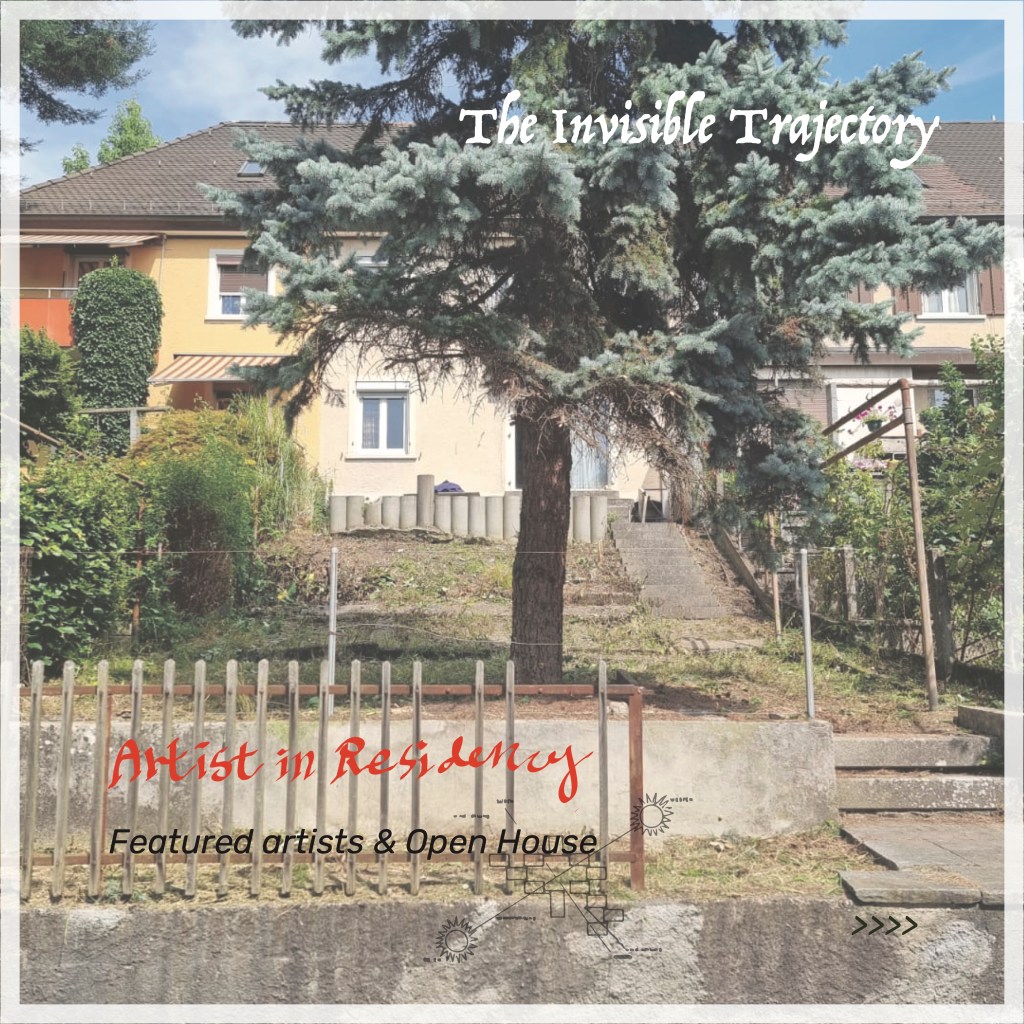
Artist in Residency
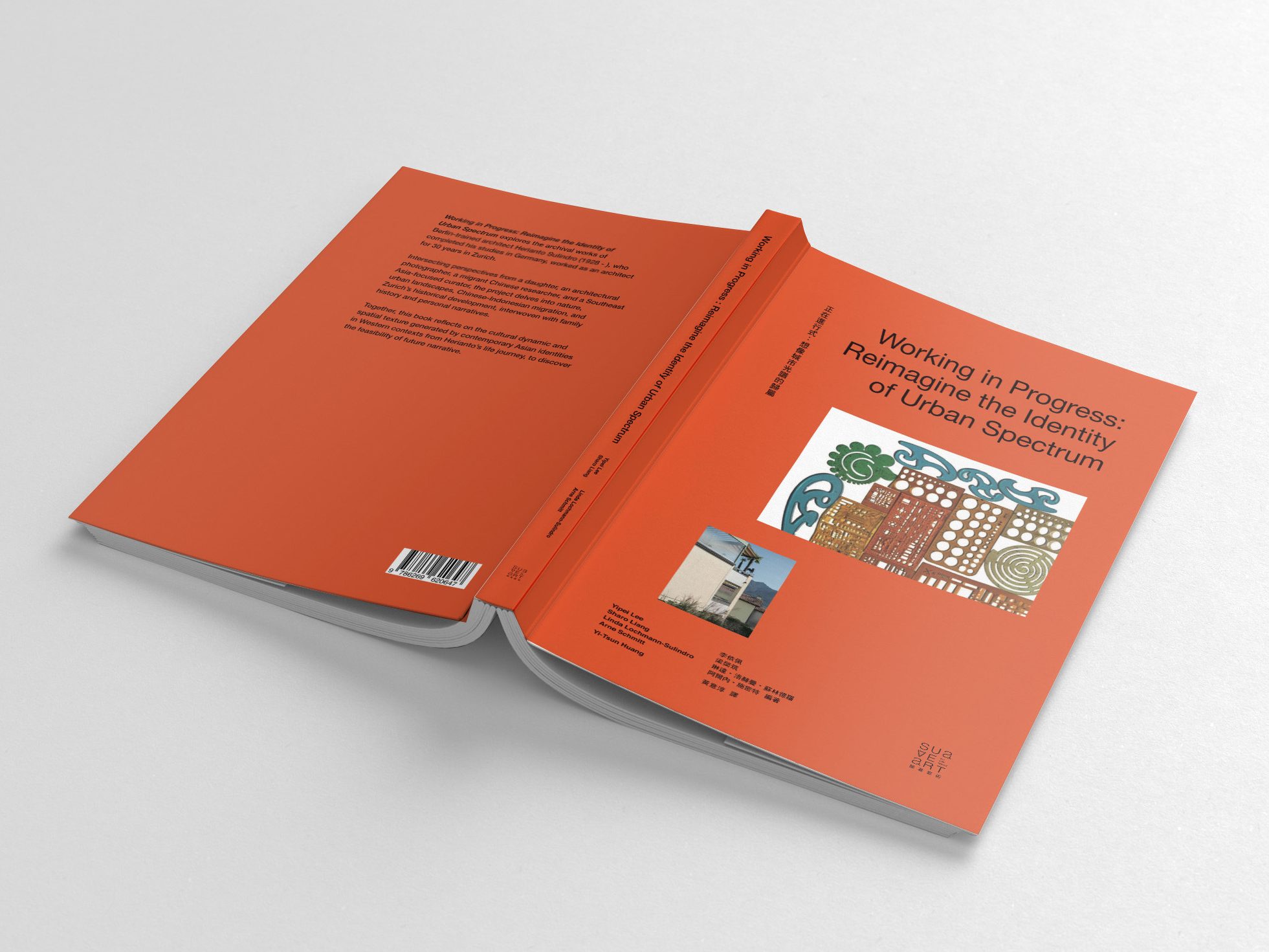
Research in Chinese & English Version
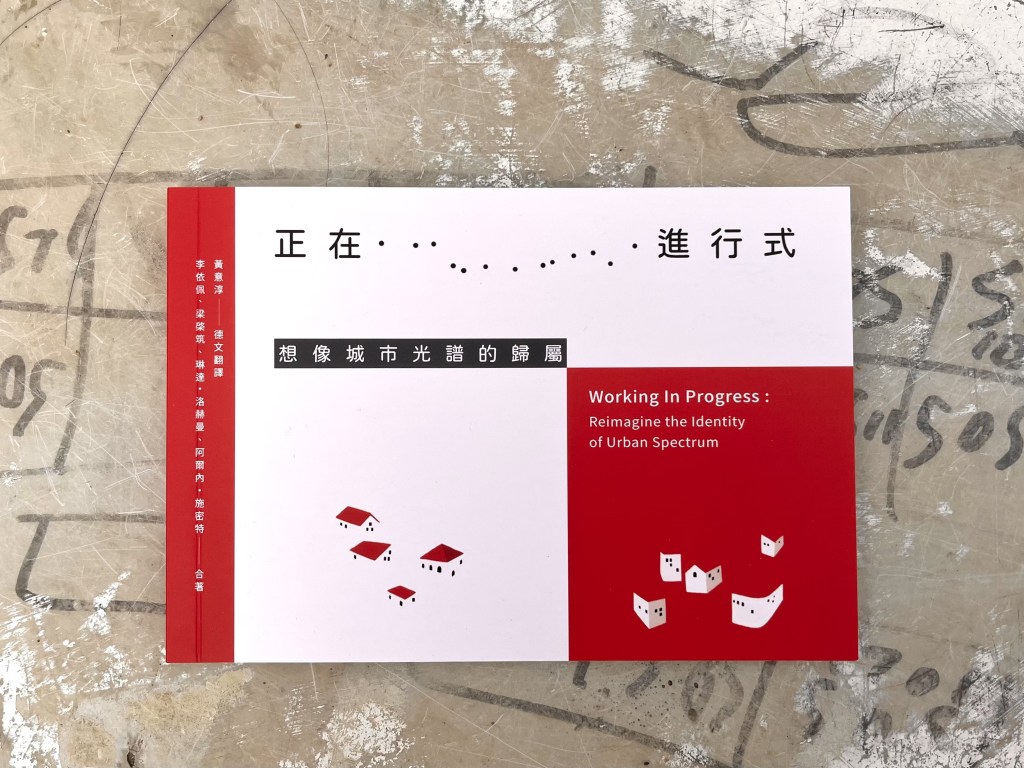
Research in Chinese Version
Recent Opportunities

 細着藝術 SUAVEART