You can read the original story by Hasnah Yunita, published on Persakademika.
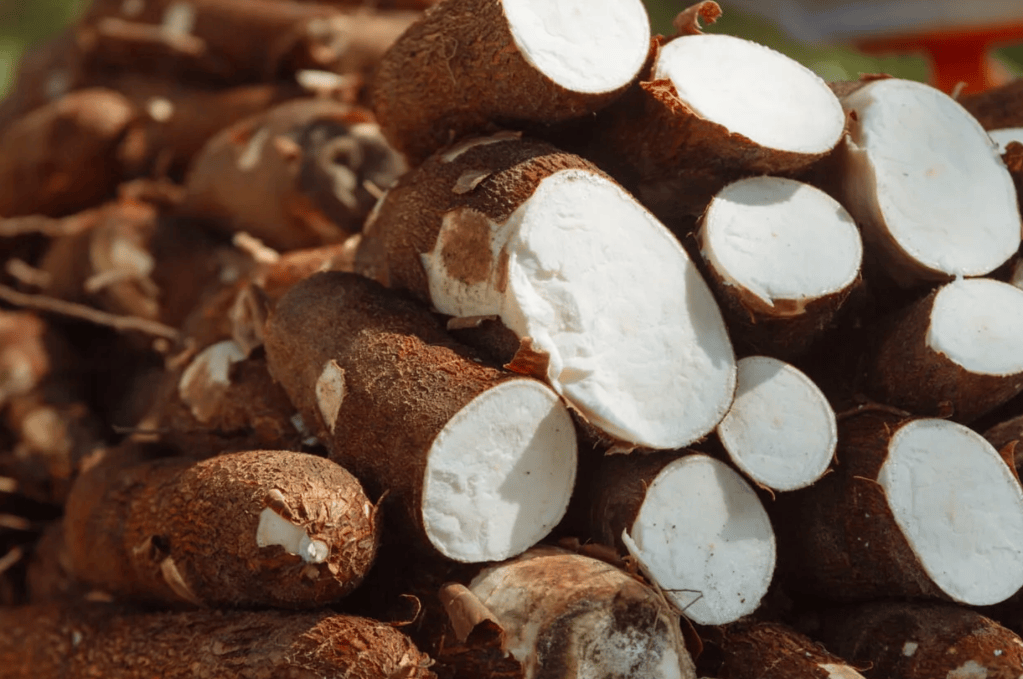
Image credit- simonmayer
The 2017 eruption of Mount Agung brought fear and uncertainty to Sebudi Village. Earthquakes shook the area, while ash and clouds of smoke covered the mountain. Yet Sebudi, which lies on the slopes of Mount Agung, is also known for its fertile soil, where cassava and other root crops can thrive.
I Nyoman Warka, the village secretary, remembers the anxiety that spread as volcanic activity intensified. On September 18, 2017, Karangasem Regent Gusti Ayu Mas Sumatri convened a meeting with representatives from the districts and villages. Sebudi was classified as a high-risk area, and residents in the upper part of the village began evacuating, some heading to Sidemen.
Not everyone wanted to leave. Some residents believed the 2017 eruption would not cause the same devastation as the 1963 eruption. Warka recalls that the earlier disaster brought destructive lahars to parts of Sebudi. Around 4,500 people died, and the village later built a monument in their memory. The older residents also remembered the belief that the mountain could bring people their livelihoods: volcanic activity could leave behind fertile soil and useful materials.
On September 21 and 22, the government ordered the entire village to evacuate. For residents who remembered 1963, leaving home was difficult. Some refused to go and had to be collected by military and evacuation teams. Warka smiles as he recalls a neighbor who tried to escape being evacuated and was caught on September 23.
Before the eruption, Sebudi had planned to develop tourism around its forest. A protected forest administered by the Ministry of Environment and Forestry had become a village forest, and social forestry groups were formed, including one focused on tourism. The plans had been laid out in 2015, but the disaster halted the project. The COVID-19 pandemic then dealt another blow to local tourism. Warka says visitors had once brought in substantial income, but activity came to a standstill during the pandemic.
The village nevertheless looked for ways to get its economy moving again. Sebudi Village Head I Gusti Made Budiarta encouraged residents to plant crops with promise, including curly and large chilies, coffee, and root crops. He also urged them to turn livestock waste into fertilizer. The village established a honeybee-keeping group as another source of income.
Sand mining has also supported local livelihoods. Hot lahars from Mount Agung once flowed toward the foothills, leaving a hollow that is now known as Galian C. Many residents make a living selling sand and stones left by the eruption. In the aftermath, the farmland also became rich and fertile.
Cassava from Sebudi has a distinctive character. It is tender, soft, and plump, with a characteristic salty note that sets it apart from cassava grown elsewhere. Its flavor varies from plot to plot, says cassava farmer Ni Nyoman Juniati. The crop takes only three to four months to mature. When its leaves turn reddish, the plant is ready to harvest.
Before the pandemic, a sack of cassava could fetch 80,000 rupiah. Prices fell during the pandemic. Despite the distinctive harvest, Sebudi has no farmers’ group or cooperative to coordinate sales and distribution. Most cassava farmers still sell to middlemen, so their income is uncertain. Prices may be high one day and low the next, and farmers sometimes have to harvest before the crop is ready.
峇里島阿貢火山爆發後,塞布迪村 (Desa Sebudi) 一度籠罩在恐慌之中。2017 年的地震再次震撼村莊,居民密切關注火山狀況。塞布迪村位於阿貢火山山腳,當地也以土地肥沃聞名,木薯等根莖作物能在這裡生長。
塞布迪村村務秘書 I Nyoman Warka 回憶,2017 年火山活動加劇時,火山灰與煙霧籠罩山區,許多人因而感到害怕。9 月 18 日,卡朗阿森縣 (Karangasem) 縣長 Gusti Ayu Mas Sumatri 召集各區代表與村級人員開會。塞布迪村位於第三級災害風險區,火山噴發可能造成嚴重影響,山上居民因此沿疏散路線撤離,有些人前往 Sidemen。
不過,也有部分居民不願離開。他們相信,2017 年的噴發不會像 1963 年那樣造成重大傷亡。Warka 說,1963 年時,塞布迪村有居民遭遇火山泥流,約有 4,500 人死亡。村裡後來為當年罹難者立了紀念碑。當時的長者相信火山能帶來生計;火山噴發後留下的物質,也會成為居民生活的一部分。
2017 年 9 月 21 至 22 日,政府要求塞布迪村全村撤離。對經歷過 1963 年事件的年長居民來說,撤離並不容易。有些人不肯離開,最後由軍方與救援人員接走。Warka 笑著回憶,有位鄰居試圖逃走,結果被人攔下。
火山噴發前,塞布迪村曾規劃發展森林旅遊。當地有一片由環境與林業部管理的保護林,後來轉為村有森林,並成立社區林業團體,其中一組負責觀光規劃。這項計畫原本在 2015 年已安排妥當,卻因火山災害中斷;疫情又讓村裡的觀光業雪上加霜。Warka 說,過去曾有不少遊客帶來收入,但疫情期間旅遊活動停擺。
即使觀光業受阻,村民仍設法恢復經濟。塞布迪村村長 I Gusti Made Budiarta 鼓勵居民重新種植有發展潛力的作物,例如辣椒、大辣椒、咖啡和各種根莖作物,也鼓勵大家把牛糞等畜牧廢料製成肥料。村裡還成立了養蜂團體,協助增加收入。
採砂業也為居民提供生計。阿貢火山的熱泥流往山腳流動後,形成如今稱為 Galian C 的採砂場。許多居民在此販售火山噴發留下的砂石。火山噴發後,農地也因而變得更加肥沃。
塞布迪村的木薯有獨特風味,口感較甜潤、柔軟而飽滿,還帶有一種特別的鹹味。種植地不同,味道也會有所差異。受訪的木薯農 Ni Nyoman Juniati 說,木薯約三至四個月即可收成;葉片轉紅,便是可以採收的訊號。疫情前,一袋木薯可賣到 8 萬印尼盾,疫情後價格下跌。
雖然木薯收成有特色,村裡卻沒有農民團體或合作社協助銷售與配送。多數農民仍把作物賣給中間商,收入因此不穩定;有時價格較好,有時偏低,若被迫提前採收,情況會更不利。

