
Martina Leone is an Italian art historian, PhD candidate at the University of Teramo and academic assistant at the University of Genoa, where she collaborates in teaching the subjects Introduction to the History of Art (L-ART 02) and History of Collecting (L-ART 04).
For this city she is also a science communicator in the event of historical-cultural interest called “Rolli Days”. Specialized in Baroque painting, from Palermo to Rome to Venice, she deals with collecting and the protection of cultural heritage, art market and crime risk. She is the author of numerous scientific publications and is preparing a monograph on Francesco Ruschi (1600-1661), the focus of research of PhD, which will soon be concluded.
She trained at the University of Catania and then at the University of Roma Tre. The scholar later attended a course at the Sotheby’s Institute and is now a Research Assistant in Benson, AZ 85602 USA. She has participated in numerous research projects, curated conferences and advanced scientific training courses. She is the winner of the PhD Annual Meeting Research Award – Best Communication in 2024 at the University of Teramo. Author of contemporary Italian fiction novels, she self-taught herself in food and wine culture and its history.
Abstract
This contribution was born following the research carried out on the representation, within the production of figurative arts from the 16th to the 18th century – in particular on genre painting – of grain. It was decided to collect the contributions of Still Life paintings within which the element of wheat is represented in its starting unit and then declined in its main preparations: different breads and leavened products, in Flemish societies and belonging to the territory of the (now) Italian peninsula. This investigation has allowed us to investigate how this food, protagonist of world food culture, has spread or changed in the society that painted it, in different ways on daily family tables and official representation.
The Charm of Still Life and the Representation of Wheat
The charm emanating from the paintings that we academically define as modern (1400-1800) certainly lies in their subject, encouraged however by the way of representing a single element in an ever-changing way. The means by which something that changes over time is narrated is itself therefore the document that tells of its evolution. From this reflection it is therefore appropriate to start to propose an investigation that is hopefully as analytical as possible, although not exhaustive, on the possibilities with which wheat is declined in the figurative arts. If we were to catalogue this element, in the vast multitude of things that have been painted in history, especially in painting that today is defined as Western between the 16th and 18th centuries, this can certainly be understood as Still Life.
Still life takes on an autonomous value as a pictorial genre in the seventeenth century, telling itself diversified in every part of the territory, enjoying greater fortune in some contexts, rather than in others. It is known that extraordinary levels were reached first of all in Flanders and Holland followed by the German area, and at the same time with different forms and meanings, in Spain and Italy. The posed subjects are fruits, flowers, game, live animals, musical instruments, everyday objects, but also silverware, weapons and statuettes, and above all, laid tables [Fig. 1]. In these large tables it is possible to trace the element of wheat as a common thread of the narration, which tells the way of a society to understand its importance, from the harvest, to the processing, to the setting on the table. The evolution of this element, which becomes an ingredient, a dish and often the main course of the table, produces an undoubted aesthetic pleasure in the observer, who sees before him nothing other than the representation of “reality” staged in an ever-changing manner.
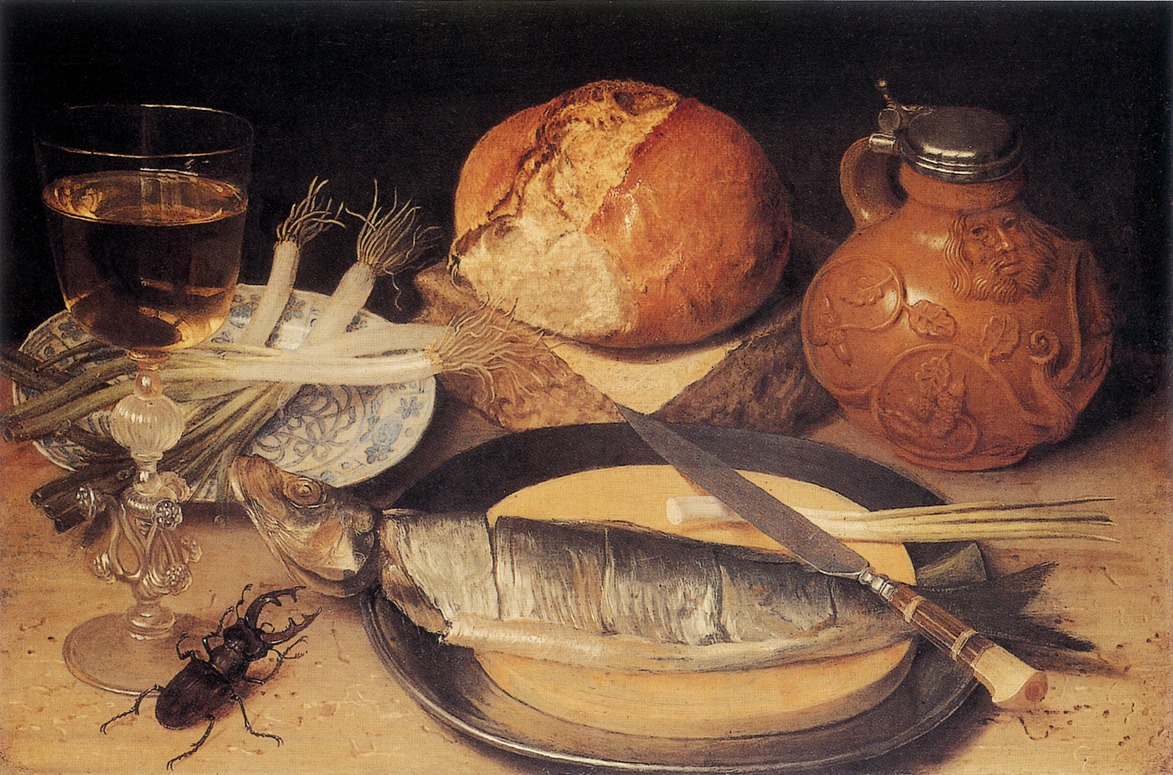
[Fig.1] George Fleger, Still life with bread and herring, 1635, Cologne, Wallraf-Richartz Museum
Still Life as Social and Symbolic Language
Food, as well as vegetables, animals, everyday utensils but also silverware and small paintings, are arranged on stage according to recognizable formal criteria: the position as well as the perspective of a subject tells of its role within a society. In the historical, intellectual and political context of the Netherlands for example, both in the northern provinces and in the southern ones, which were purely Catholic, a type of economy with a strong commercial nature had established itself based on a rich social class of the bourgeoisie, who purchased still lifes in large numbers, subjects favored both for their pictorial quality and for their quantity.
«Undoubtedly, the immense production of still life paintings in the seventeenth century is an indication of the imminent crisis of the religious, celebratory, representative function of art, or rather of the anthropomorphic and anthropocentric conception that supported historical and allegorical representation.
This is confirmed by the fact that still life seeks, at the beginning, religious and allegorical justifications. The theses proposed in this sense by Sterling are all convincing. Certainly the isolation of a group of objects from a figurative context has several origins: there may be the intention to create ancient works that repeat the type of ancient “rhopography” described by the theorists; or to offer the devotee a theme for meditation, the memento mori; or again, to allegorize concepts, for example the five senses or vanity».
This is what Giulio Carlo Argan wrote clarifying in this Italian context the role that still life , the objective representation of ‘immobile’ subjects, could play in society. During the 17th century, both in Italy and in the Netherlands, still life painting took on a central role in artistic production, taking on symbolic, social and religious meanings. In this context, the iconography of wheat and its derivatives – bread, biscuits, leavened sweets – emerges as a recurring element rich in cultural values.
Wheat in Dutch and Italian Still Life Painting
In the Netherlands, in particular, the representation of bread and cereals is frequent in the so-called ontbijtjes (breakfasts), that is, compositions depicting tables laden with simple, everyday foods. An emblematic example is Pieter Claesz’s Still Life with Fish from 1647 (Amsterdam, Rijksmuseum [Fig. 2]), where bread acquires visual and symbolic centrality, evoking the transience of life and the grace of daily nourishment. Also in the works of Willem Claesz Heda (Stilleben med et bæger af forgyldt sølv, 1635, Rijksmuseum, Amsterdam [Fig. 3]), bread appears regularly, sometimes depicted next to an overturned salt cellar or an empty glass, underlining the element of vanitas.
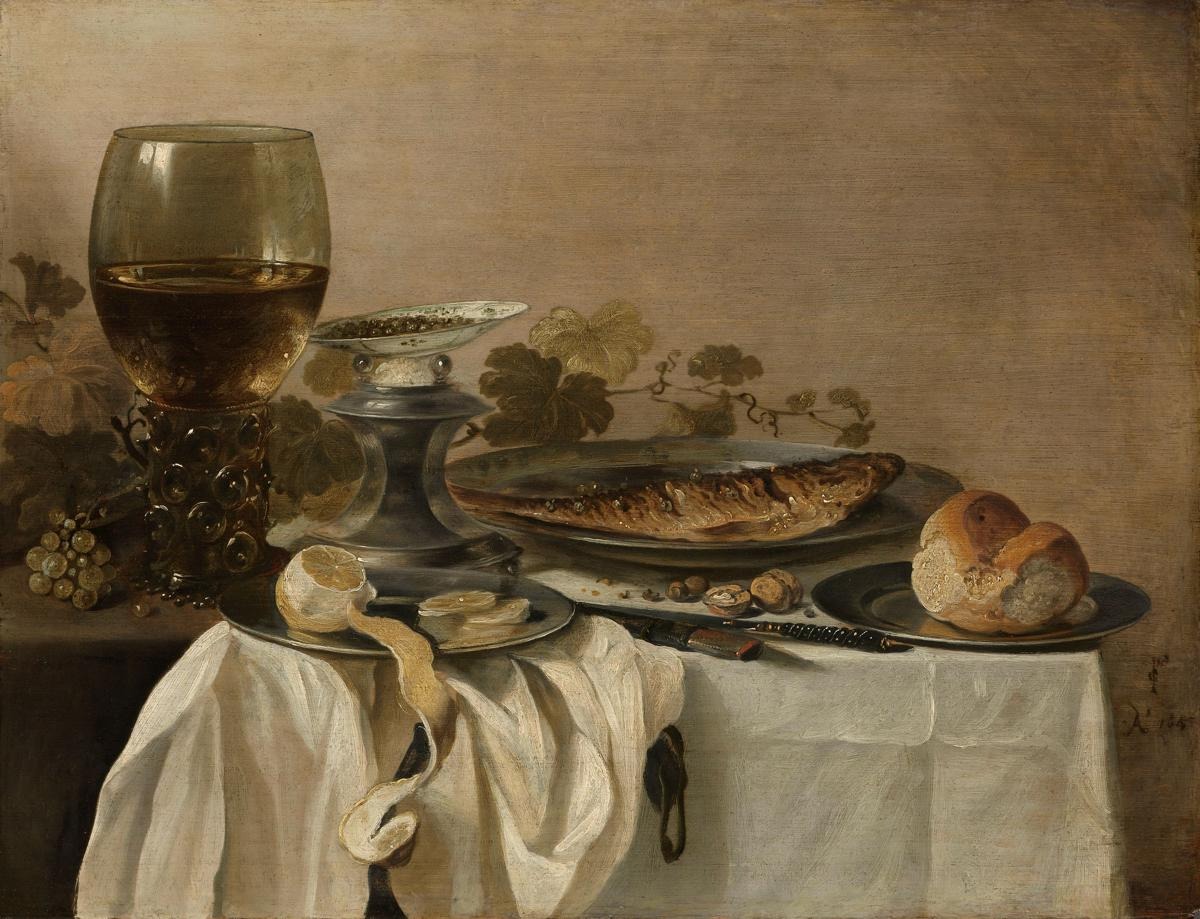
[Fig.2] Pieter Claesz’s Still Life with Fish from 1647. Rijksmuseum, Amsterdam.
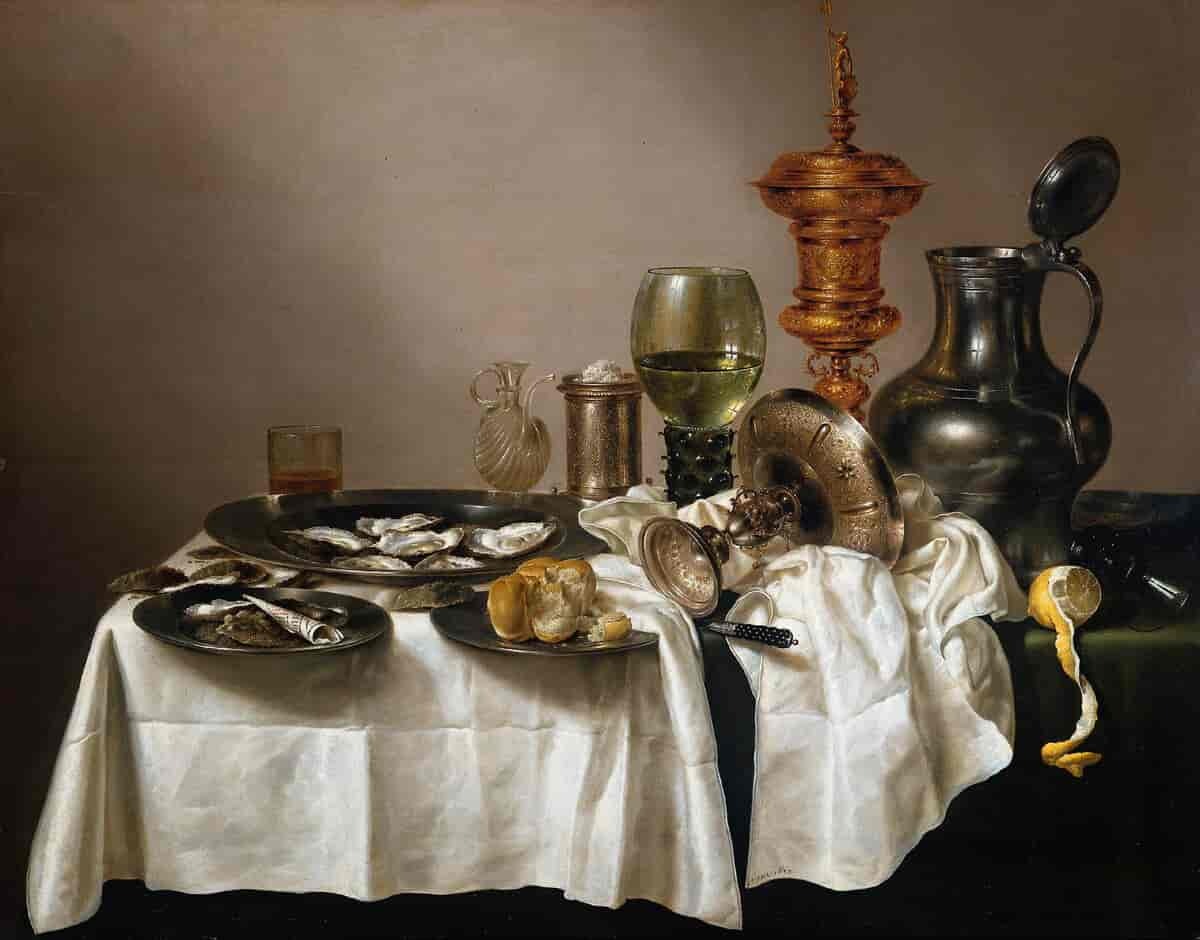
[Fig. 3] Willem Claesz Heda. Stilleben med et bæger af forgyldt sølv, 1635, Rijksmuseum, Amsterdam.
In Italian painting, especially in the Neapolitan area, the compositions of Giacomo Recco and Giuseppe Recco [Fig. 4] stand out, where bread is often accompanied by flowers, fruit and fish in a symphony of sensorial abundance. Even in the Roman context, the Caravaggism of artists such as Bartolomeo Cavarozzi shows a strong attention to the material rendering of bread, which becomes a symbol of humility and truth. In both artistic cultures, therefore, wheat – the basis of human nourishment and a symbol of cyclical renewal – takes on a profound iconic value. Not only an object of daily use, but also a visual and conceptual bridge between materiality and spirituality, between domestic abundance and divine eternity. The interest in such details reveals the seventeenth-century sensitivity towards the visible as a vehicle of moral and religious meanings, in a culture of the image that knew how to read even the humblest of objects as a figure of the sacred.
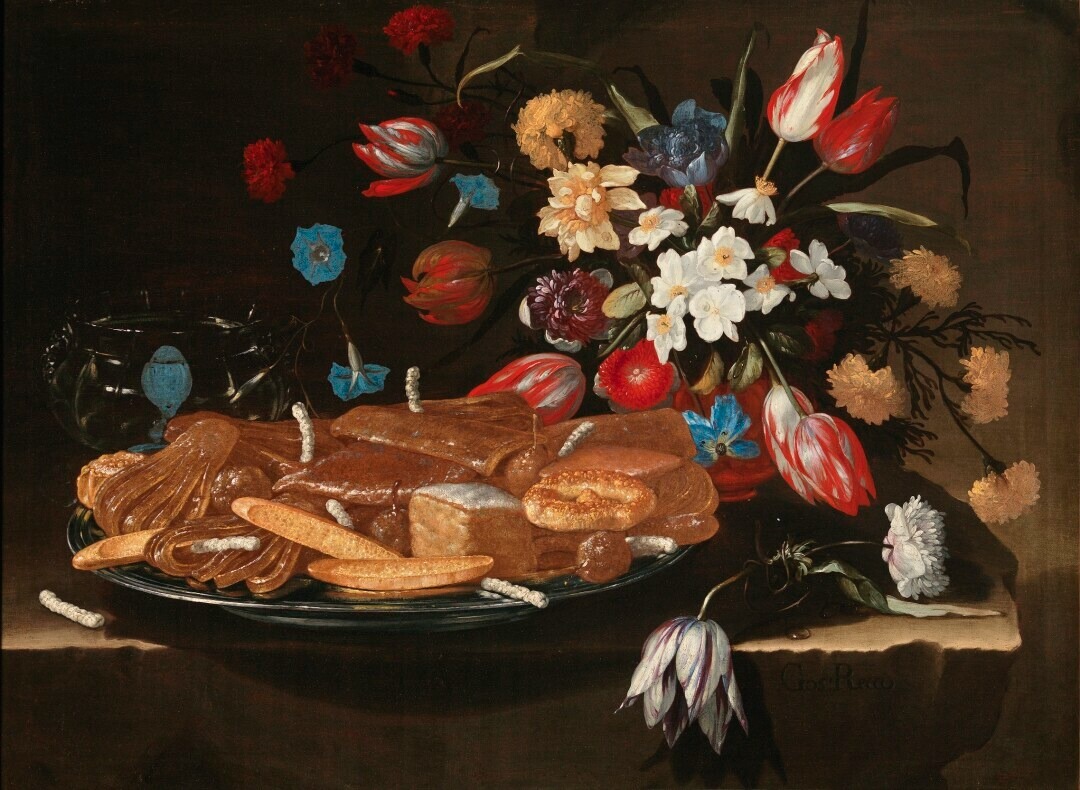
[Fig. 4] Giacomo Recco and Giuseppe Recco.
Still life with bread, biscuits and flowers, 1675-1680. Collection of Gallerie d’Italia – Naples.
Wheat in Culinary Culture: Italy and the Netherlands
This short study stems from a comparative investigation conducted on a selected corpus of Italian and Dutch paintings of the seventeenth century, through the iconographic analysis of works belonging to European museums and collections. Direct observation of the canvases has allowed us to grasp thematic recurrences, compositional choices and symbolic implications that show how a simple and everyday element can take on complex and stratified values. Between the seventeenth and eighteenth centuries, in fact, wheat represents one of the cornerstones of European diets, but its role in the culinary cultures of Italy and the Netherlands reflects different approaches to food, taste and everyday rituals. Present in both contexts as a basis of nutrition, wheat takes on meanings and uses that reflect the economic, social and religious structures of the respective countries.
Italian Wheat Culture and Social Class
In Italy, durum and soft wheat are the basis of an ancient food tradition that in the seventeenth century was consolidated with the development of urban bread-making, the spread of dry pasta, and the variety of regional baked goods. In Naples, for example, a rich culture of bread-making and street food developed, while in Rome and the central regions the tradition of travel biscuits and ritual breads flourished. Wheat also became a fundamental element of aristocratic cuisine, where it was transformed into elaborate fresh pasta and sweet products such as leavened court products. The consumption of white bread, made with refined flours, was the prerogative of the wealthy classes, while dark or mixed bread marked the popular diet, thus underlining the differences in class through food.
Dutch Food Culture: Frugality and Ritual
In the Netherlands, wheat is also a central ingredient, but the Protestant culture and the mercantile dimension of 17th-century Dutch society lead to a more sober cuisine, in which bread – especially brown or wholemeal – is a daily food and full of moral meanings. Frugality, the regularity of meals and attention to conservation are reflected in the use of stale bread, sea biscuits (called scheepsbeschuit , used on colonial routes) and preparations that enhance the simplicity of the ingredients. However, even in the Netherlands the use of wheat was not without refinements: in bourgeois and patrician homes, sweet spiced breads, such as krentenbrood (with raisins) or ontbijtkoek (based on spices), accompanied breakfasts and snacks, often depicted in still lifes of the time as signs of taste and status. [Fig. 5].
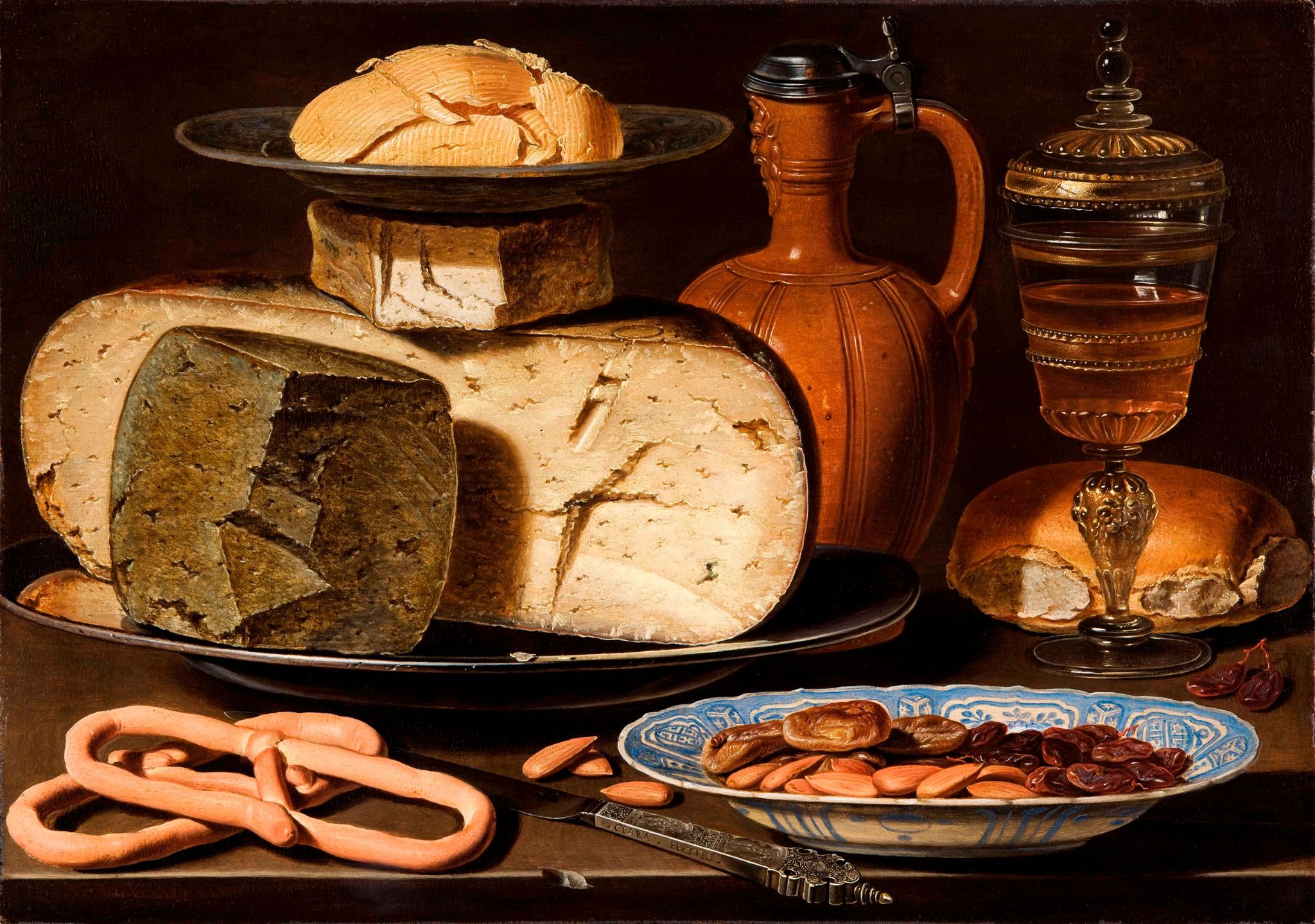
[Fig.5] Clara Peeters. Still life with cheeses, almonds and savoury snacks, 1615, The Hague, Mauritshuis.
Wheat as Economic and Political Matter in the 18th Century
In the 18th century, in both cultures, wheat continued to be a central food but began to be the object of rationalization and regulation: the management of stocks, the price of bread, famines and the first public policies on food also made it a political issue. In Italy, the first public bakeries controlled by the authorities were established, while in the Netherlands, bread making gradually became industrialized, thanks to the use of efficient mills and the urban regulation of food trade. Between the 17th and 18th centuries, wheat was much more than a raw material: it was nourishment, but also a sign of social identity, a ritual and symbolic element, a bridge between daily needs and cultural representations. The way in which Italy and the Netherlands used it tells the story of two profoundly different but both refined culinary civilizations, capable of transforming a product of the earth into a vehicle of culture and memory. If wheat is a fundamental food for survival, its presence on the tables of the modern age is also the result of cultural, aesthetic and ritual choices that can be reconstructed through two privileged sources: printed engravings, which illustrate banquets, kitchens and laid tables, and recipe books of the time, which minutely describe the preparations, forms and moments of consumption.
Engravings as Visual Evidence of Food Culture
17th-century engravings, often published in etiquette treatises, cookbooks, or works illustrating daily life, clearly show the centrality of bread and other wheat-based products in the mise en place of aristocratic and bourgeois tables. In many plates engraved by artists such as Jacques Callot, Stefano della Bella, or Abraham Bosse, bread appears neatly arranged on silver trays or in baskets, frequently accompanied by knives and salt shakers, elements that indicate its individual and codified consumption. In these representations, bread takes on a value of measure and decorum: it is not thrown on the table, but “presented,” portioned, often carefully sliced, sometimes depicted next to wine, evoking Eucharistic allusions even in profane contexts.
In the Dutch context, the engraved and painted ontbijtjes (breakfasts) show more sober tables but rich in details: black or dark bread, often depicted broken or in half, which underlines the symbolic value of sharing but also the material reality of everyday life, accompanied by knives, shrimps, jugs and ornate glasses [Fig. 6].
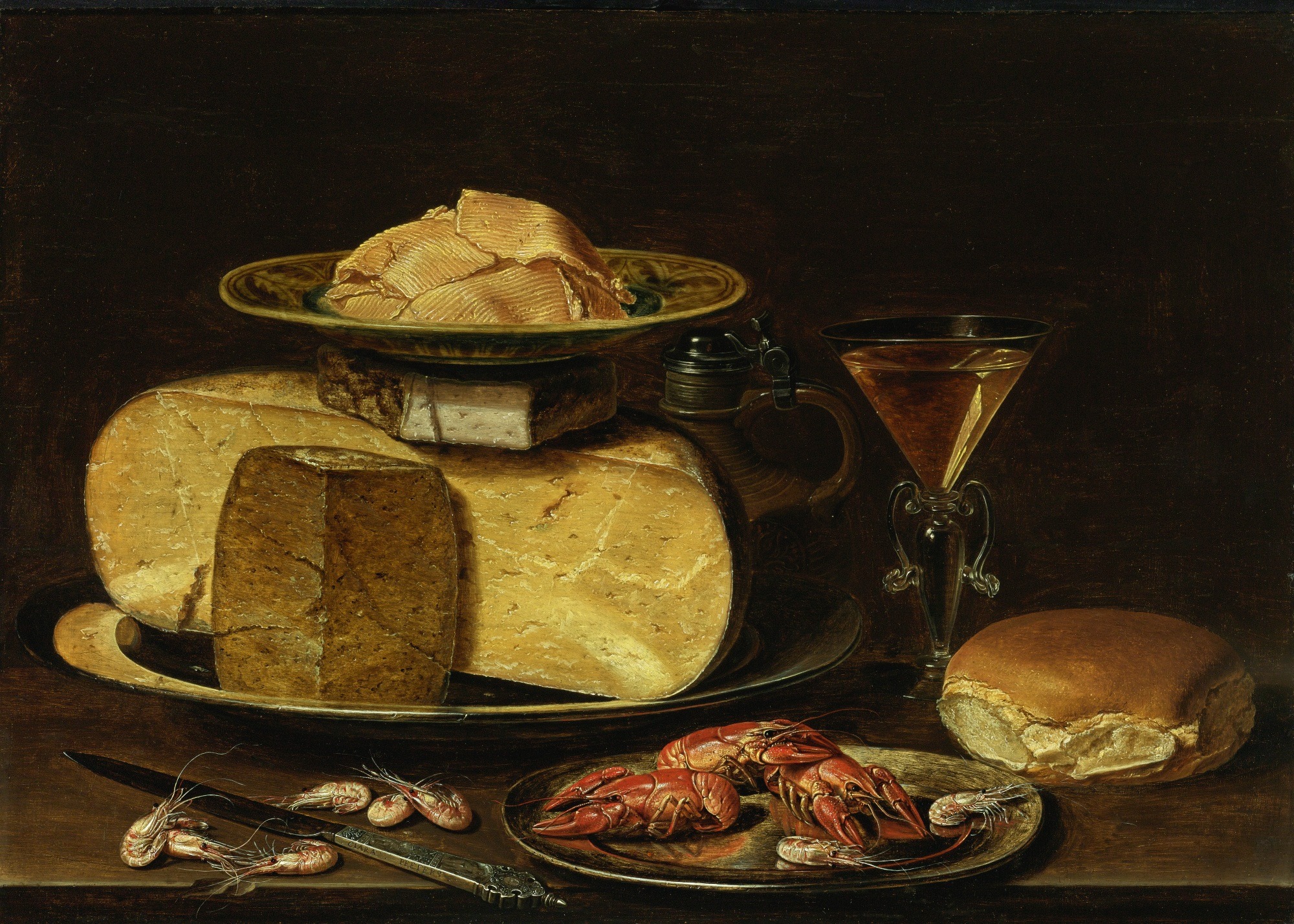
[Fig. 6] Clara Peeters, Cheesestack with knife, shrimps, crawfish, glass of wine and bread.
1612-1618, London, art market.
Recipe Books and Culinary Codification
In parallel with visual sources, ancient recipe books are a fundamental tool for understanding how wheat was transformed and “staged” in European kitchens. In Italy, texts such as Scalco alla Moderna by Antonio Latini (Naples, 1694) and Lo scalco prattico by Giovanni Battista Crisci (Naples, 1630) describe a great variety of flour-based preparations: from flavored breads (with anise, seeds, butter) to travel biscuits, from rustic cakes to leavened sweets. In particular, “pan di Spagna”, “focacce reali” and “ciambelle” were not only foods, but also objects to be shown off at banquets, decorated with sugar and expensive spices, served in ritualized times and ways.
In the Netherlands, the famous Koock-boeck by Antonius Magirus (1612) and other later collections show a more essential but no less codified use of wheat: dry biscuits for navigation, spiced cakes (with nutmeg, cinnamon, cloves), sweet breads intended for religious or civil festivities. Bread, even in the Netherlands, is regulated by shape, destination and occasion: there are breads for everyday use, breads for the sick, breads for mourning.
The comparative analysis of engravings and recipe books shows two distinct cultural models in the presentation of wheat on the table. On the one hand, Baroque Italy proposes a theatricality of food, in which even bread can become an object of ostentation and sensorial narration. On the other hand, the Protestant ethic of the Netherlands favors a sobriety that does not, however, renounce rituality, but rather reinterprets it in terms of domestic composure and order.
In both cases, the “putting on the table” of wheat – far from being a neutral act – becomes a social practice that codifies values of belonging, aesthetics and spirituality. It is food that becomes language, and it is wheat, in all its forms, that speaks forcefully in the material culture of modern Europe.
Iconographic Sources: Bread in Everyday Life
The iconographic investigation was based on a selection of printed engravings made between the seventeenth and early eighteenth centuries, produced in Italy, France and the Netherlands, which document in detail convivial, domestic or ceremonial scenes. In particular, the engravings of Jacques Callot , such as those of the series Les Gueux (1622–1623), offer a glimpse of the life of the humblest classes, where bread is depicted as an essential food, consumed directly from the hands or in informal contexts.
Abraham Bosse, a French engraver active in the first half of the 17th century, in his Repas de noces instead presents a bourgeois scene in which bread is neatly arranged on the table, suggesting not only its nutritional role but also the ceremonial value it assumes during social rites, such as weddings.
Equally significant are the works of Stefano della Bella, in particular the series Diversi Capricci , which depict with great inventive freedom environments and characters of various social backgrounds. In these works we observe the presence of bread and baked goods in both aristocratic and popular contexts, with particular attention to the aesthetic arrangement of food on the table.
In the Flemish context, engravings by Jan van Vliet , such as Breakfast Scene , and by Cornelis Dusart , such as Interior of a Peasant Inn , carefully naturalize everyday eating habits in the Netherlands. In these interior scenes, brown bread, often broken or accompanied by cheeses and drinks, becomes a visual witness to Protestant frugality and bourgeois domestic order.
These visual sources, thanks to their diffusion and accessibility through the printing presses of the time, represent a crucial iconographic heritage for understanding not only eating habits, but also the symbolic, ritual and social meanings attributed to wheat and its derivatives.
Textual Sources: Wheat in Early Modern Cookbooks
The textual documentation was reconstructed through the analysis of some fundamental Italian and Dutch recipe books of the 17th century, which allow us to follow the presence of wheat in culinary preparations, in their written codification and in their seasonal and ceremonial articulation.
In the Italian context, two fundamental texts are worth mentioning: Giovanni Battista Crisci, with Lo scalco prattico (Naples, 1630), and Antonio Latini, with Lo scalco alla moderna (Naples, 1694). Both provide a detailed repertoire of preparations based on flour, bread, biscuits and leavened sweets. The recipes, often conceived for noble banquets, show an attention not only to taste but also to aesthetic presentation, with decorated breads, flavoured donuts and baked goods designed to be displayed at state tables.
Also significant is the contribution of Bartolomeo Stefani , with L’arte di ben cucinare (Mantua, 1662), which combines technical rigour and formal creativity, testifying to the centrality of bread in the aristocratic kitchens of the Po Valley.
For the Dutch context, reference was made to the Koock-boeck of Familieren keukenboeck by Antonius Magirus (Leuven, 1612), one of the first examples of a gastronomic print in the Netherlands. The text contains numerous preparations of breads, biscuits, and sweet pastries often enriched with exotic spices such as cinnamon, nutmeg, and cloves, reflecting the tastes of a refined but sober mercantile bourgeoisie.
Finally, it is worth mentioning De verstandige kock (The Wise Cook, Amsterdam, 1669), an anonymous recipe book that was very popular in 17th century Holland, which collected recipes designed for the home environment, showing the variety and functionality of breads in daily meals.
From Historical Food Culture to Contemporary Practice
The comparison between the use of wheat in the 17th and 18th centuries and that of the contemporary age reveals not only technical and gastronomic changes, but also profound transformations in the way food is presented, consumed and thought about. If in the 17th century wheat was the cornerstone of the European diet, its preparation and presentation reflected symbolic, aesthetic and social values that are now partly lost.
In Italian aristocratic banquets, as described in the treatises of Giovanni Battista Crisci or Antonio Latini , bread was often served in the form of small, artistically modeled forms: braided crowns, fruit-shaped loaves, “panetti da credenza” baked in the oven or sprinkled with sugar, intended not only for consumption but also for admiration. The use of wheat, moreover, extended to leavened sweet pastries, such as donuts , biscuits and flour cakes , often enriched with spices and elaborate decorations.
In the Dutch context, however, Flemish iconography documents a more sober but equally significant mise en place: the bread, dark and compact, was broken by hand, placed directly on white tablecloths or wooden cutting boards, often accompanied by cheese, butter or beer. This minimalism was an expression not of poverty, but of a bourgeois culture that valued simplicity, cleanliness and frugality.
In the contemporary world, although wheat remains central to the Mediterranean and Central European diet, the methods of preparation and presentation have changed profoundly. Industrial bread has partly replaced artisanal production, and the mise en place has become simplified or functional, sometimes losing the symbolic and ceremonial dimension that characterized meals in the past. However, in recent decades we have observed a return to the ancient: slow bread making, the use of wholemeal flours and local varieties of wheat, as well as a renewed attention to the presentation of food in gastronomic contexts, show a desire to rediscover more conscious practices rooted in history.
Thus, the 17th century table, with its complex compositions, its decorative breads and its ritualized courses, today stands not only as an object of study, but as a cultural model to inspire a new aesthetic of nourishment, which unites memory, beauty and sustainability.
Lessons from the Past: Food and Sustainability
The seventeenth-century images depicting wheat, bread and its derivatives, although conceived in a context profoundly different from our own, offer today food for thought of surprising relevance. Close observation of these engravings – whether convivial, domestic or ritual scenes – provides not only a historical-artistic testimony, but also a concrete vision of the economy of food, its management and its social meaning.
Wheat, in its simplest or most transformed form, was an essential food, but also measured: never wasted, often shared. The tables depicted – both noble and popular – do not exhibit excess, but balance between abundance and necessity. This iconographic attention, often unconscious, towards the sobriety of nourishment is reflected in a culture that, however distant in time, can be read today as an inspirational model.
In the contemporary context, in which the global agri-food system is subjected to serious environmental and social tensions, the visual and symbolic legacy of wheat in Baroque and Flemish art invites us to rethink our relationship with food. The engravings thus become an interpretative lens that urges us to redefine our food practices in the name of sustainability, responsibility and respect for resources. This is not a simple philological exercise, but a dialogue between eras, in which the history of representations can contribute to the construction of a visual and ecological ethic of the present. In this sense, the iconographic reading of wheat is not only an investigation of the past, but an opportunity to understand the current needs for cultural and environmental change. The comparison between the food cultures of the seventeenth century and those of today, in relation to the production and consumption of wheat, allows us to make a critical assessment of the theme of environmental sustainability. While in the seventeenth century wheat represented a fundamental resource, whose production was linked to local and seasonal agricultural dynamics, in the contemporary world it has become one of the most globalized crops, subject to intensive processes of exploitation and industrial transformation.
Agriculture and Environmental Transformation
In the pre-industrial context, wheat cultivation occurred slowly, closely connected to the natural cycle of the seasons. Yields were lower than modern ones, but the connection with the territory – through crop rotation practices, the absence of chemical fertilizers and the use of native seeds – guaranteed a balance between production and sustainability. The supply chains were short, consumption occurred close to the place of production, and conservation was calibrated on the natural duration of baked goods.
Contemporaneity has radically transformed this equation. Agricultural industrialization has led to a dramatic increase in grain productivity, but at a high ecological price: deforestation, massive consumption of water and pesticides, erosion of biodiversity and pollution from global transport. The adoption of varieties selected for high yield, often at the expense of nutritional quality and sustainability, has produced a rapid, standardized consumption model that pays little attention to the environmental value of the cereal cycle.
However, in recent years there has been a reversal of the trend, especially in Europe, with the rediscovery of ancient wheat varieties (such as Senatore Cappelli in Italy or spelt in the Netherlands), the return to artisanal bread-making, and a growing focus on the recovery of regenerative agricultural practices. In this sense, historical memory – witnessed by engravings, texts and ancient recipes – becomes a precious cultural resource for building a more sustainable future.
The balance between past and present, therefore, should not be understood in nostalgic terms, but as a stimulus to reformulate our relationship with wheat in an ethical, ecological and cultural key. The food culture of the 17th century, despite its complexity and inequalities, can offer an important lesson today: that sobriety, proximity and respect for natural rhythms are not signs of backwardness, but tools for a more just and sustainable diet.
In the 17th century, both Italy and the Netherlands had agriculture that was strongly linked to climate, soil variety and the social organisation of production. Wheat was the main crop in much of the Mediterranean basin, while in the Netherlands it was supported by rye and oats, which were more suited to cold and humid climates.
According to estimates by agricultural historians (such as Carlo Poni, Gino Luzzatto and Jan de Vries), 17th-century Italy produced approximately 7–8 quintals of wheat per hectare , a very low yield compared to current standards, with large variations between the south and the north. Total annual production was around 3–4 million tons , with large areas (such as Campania, Emilia and Tuscany) mainly devoted to local and urban use.
In the Netherlands , where agricultural land was more limited and often subject to reclamation, yields were similar or slightly higher (8–10 quintals per hectare), but domestic production did not exceed 300–400,000 tonnes per year, prompting the Republic of the United Provinces to import grain from Eastern Europe (Poland, the Baltic) through Amsterdam’s flourishing trade network.
Today, the data is radically different:
In Italy , the production of soft and durum wheat exceeds 6.5 million tons per year, with an average yield of around 55–60 quintals per hectare, compared to a total cultivated area of around 1.2 million hectares (ISTAT/FAO 2022 data). In the Netherlands , the area dedicated to wheat is much smaller (around 120,000 hectares ), but the yield is very high thanks to mechanization and varietal selection, reaching up to 75 quintals per hectare. Total annual production is around 900,000–1,000,000 tons , but this is accompanied by massive imports for industrial and livestock uses [Fig. 7].
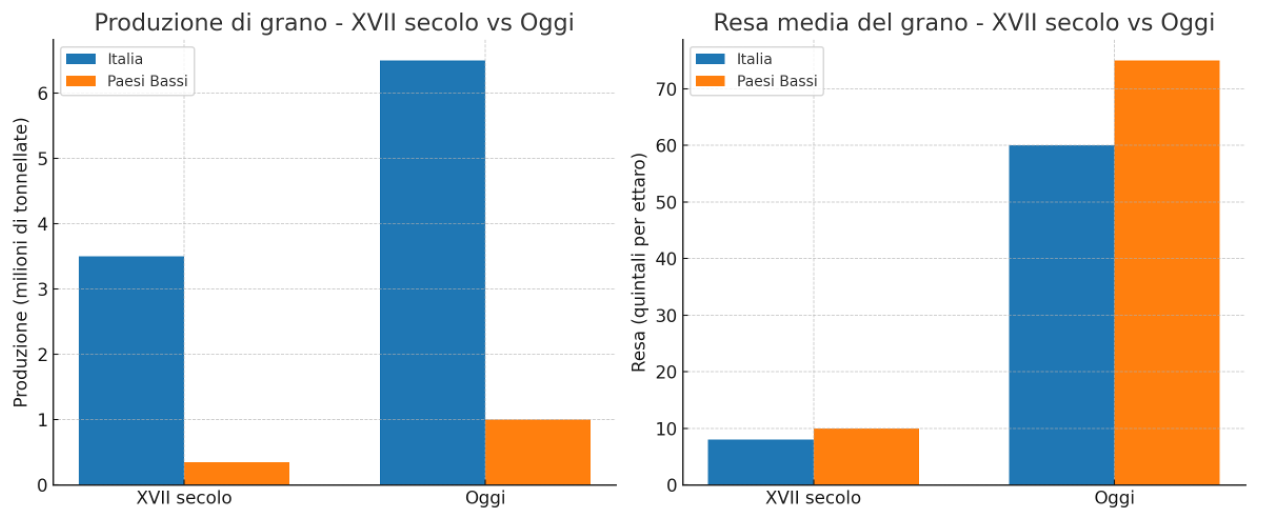
[Fig. 7] These two charts compare wheat production in Italy and the Netherlands in the contemporary period.
These numbers clearly illustrate the agronomic and technological revolution that has taken place between the 17th century and today: from a local crop, subject to climatic failures and famines, to an intensive and industrialized production. However, this change has also brought serious environmental implications , especially in terms of water consumption, soil impoverishment and dependence on chemical fertilizers.
In this sense, historical data are not only a quantitative comparison, but a tool to critically question the current production model , encouraging reflection on how necessary it is to return to resilient, less impactful and more harmonized cultivation systems with the environment and local culture.
Conclusion: Wheat Between Memory and Sustainability
The path traced through the iconographic and textual sources of the 17th and 18th centuries has led us to observe not only the centrality of wheat and its derivatives in European food culture, but also their symbolic and social representation in the visual arts and in gastronomic treatises. The analysis of ancient engravings and recipe books has allowed us to highlight the material and everyday dimension of food, returning a stratified image, which holds together nutrition, ritual, aesthetics and collective identity.
However, what makes this investigation particularly significant is its ability to dialogue with the challenges of the present. The representations of bread on baroque tables or in Flemish domestic scenes speak to us today with a new voice: that of sustainability, respect for seasonality and the balance between consumption and resources. Art thus becomes a vehicle of awareness and an archive of cultural models that, reinterpreted, can guide our choices in the present.
Through this interdisciplinary reading – between iconography, history of taste, material culture and ecological sensitivity – an idea of heritage is outlined that is not only to be preserved, but to be updated . The visual legacy of wheat, ultimately, is not exhausted in the margins of an ancient engraving, but ideally extends to contemporary tables, where even today the profound meaning of nourishment as a cultural, social and civil gesture is played out.
Art History Bibliography:
- Svetlana Alpers, The Art of Describing: Dutch Art in the Seventeenth Century , Chicago 1983.
- Giulio Carlo Argan, GC Argan, Still Life , in The Origin of Still Life in Italy , edited by A. Coliva and D. Dotti, Rome 2016, pp. 25-29.
- Ferdinando Bologna, Neapolitan Painting of the Seventeenth Century. From Caravaggio to Luca Giordano, Rome 1970.
- Francesca Del Torre Scheuch, Nature in Pose, Masterpieces from the Kunsthistorischer Museum in Vienna in Dialogue with Contemporary Photography , Venice 2019.
- Mina Gregori, The Lombard Seventeenth Century , Milan 1991.
- Tomaso Montanari, Baroque Painting. Rome, Naples, Genoa, Bologna, Venice 1600–1700 , Milan 2000.
- Seymour Slive, Dutch Painting 1600–1800 , New Haven–London 1995.
- Adriana Turpin, Nature Morte and the Visual Vocabulary of the Early Modern Table , in Silvia Bottinelli, Margherita d’Ayala Valva (eds.), The Taste of Art: Cooking, Food, and Counterculture in Contemporary Practices , Fayetteville 2017.
- Arthur K. Wheelock Jr. (ed.), Still Lifes of the Golden Age: Northern European Paintings from the Heinz Family Collection , Washington 1989.
- Mariët Westermann, A Worldly Art: The Dutch Republic 1585–1718 , New Haven–London 2005.
Culinary History Bibliography:
- Alberto Capatti, Massimo Montanari, Italian Cuisine. History of a Culture , Rome–Bari 1999.
- Martin Bruegel, A Cultural History of Food in the Early Modern Age (1450–1800) , London–New York 2012.
- David Gentilcore, Italy and the Potato: A History, 1550–2000, London–New York 2012.
- Beat A. Kümin, Food and Public Health in Early Modern Europe , Farnham–Burlington 2012.
- Massimo Montanari, The Rest of the Meatball and Other Stories About Food , Bologna 2009.
- Rebecca L. Spang, The Invention of the Restaurant: Paris and Modern Gastronomic Culture , Cambridge (MA) 2000.
- Javier Varela (ed.), Food and Material Culture: Proceedings of the Oxford Symposium on Food and Cookery 2016, Totnes 2017.
- Jan de Vries, The Dutch Rural Economy in the Golden Age, 1500–1700, New Haven–London 1974.
Interviews:
Pino Maggiore and Hajer Aissi
Cantina Siciliana, Trapani
Giudecca, 36, 91100 Trapani TP
Badr Benjelloun
Casbah del Moro, Catania
Luigi Capuana, 36, 95129 Catania CT
Isidoro Agliano
Ci Vulia, Trapani
Giudecca, 78, 91100 Trapani TP
Antonio Agliano
Kus Kus, Palermo
Piazza Virgilio, 9, 90141 Palermo PA
Vanessa Di Stefano
Molino Soprano, Chiaramonte Gulfi
Contrada Cifali, 97012 Chiaramonte Gulfi RG
Ismail
Riadh El Medina, Catania
Via Porta di Ferro, 46, 95131 Catania CT
Culinary:

Photo credit: Martina Leone

