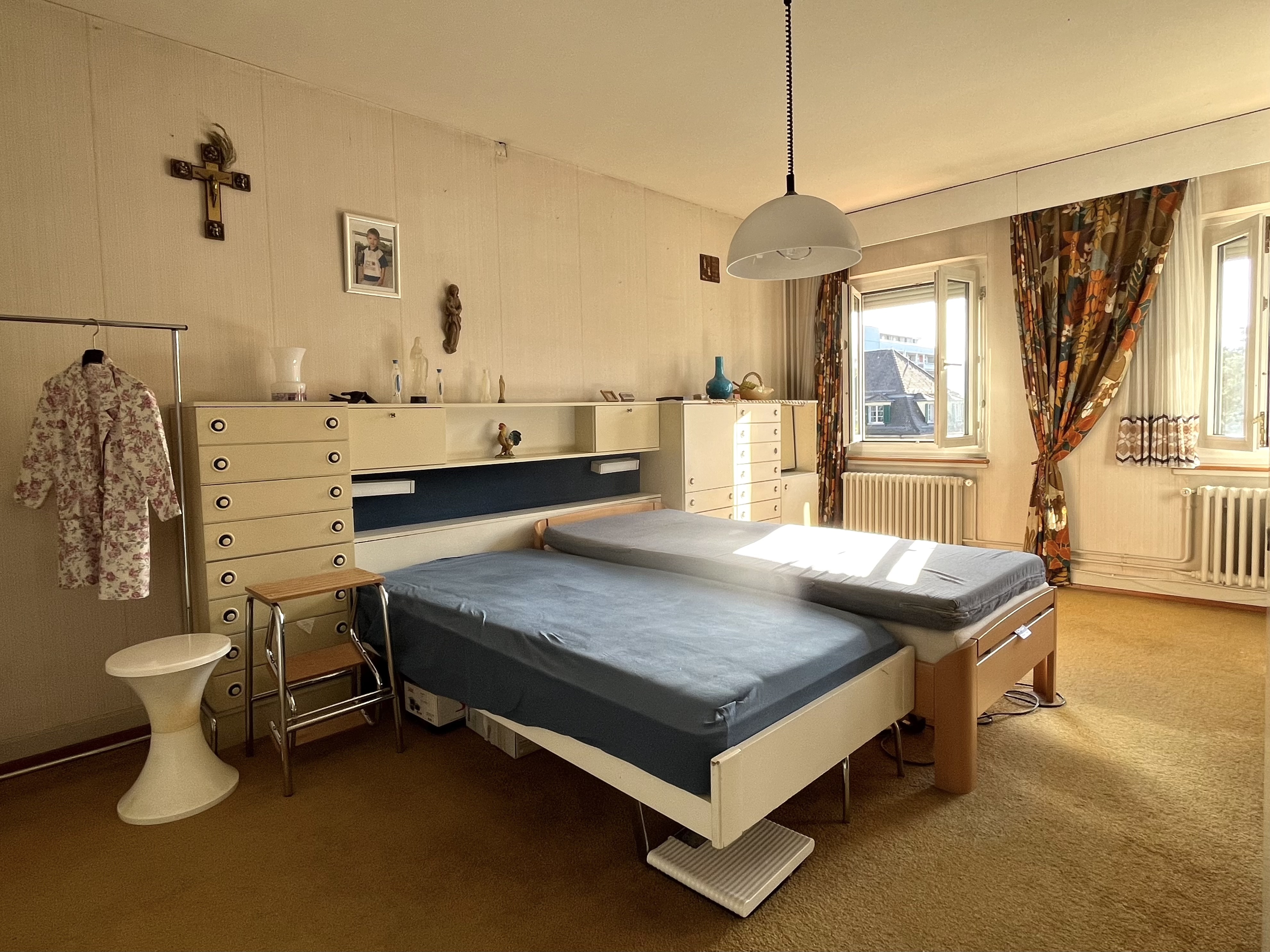
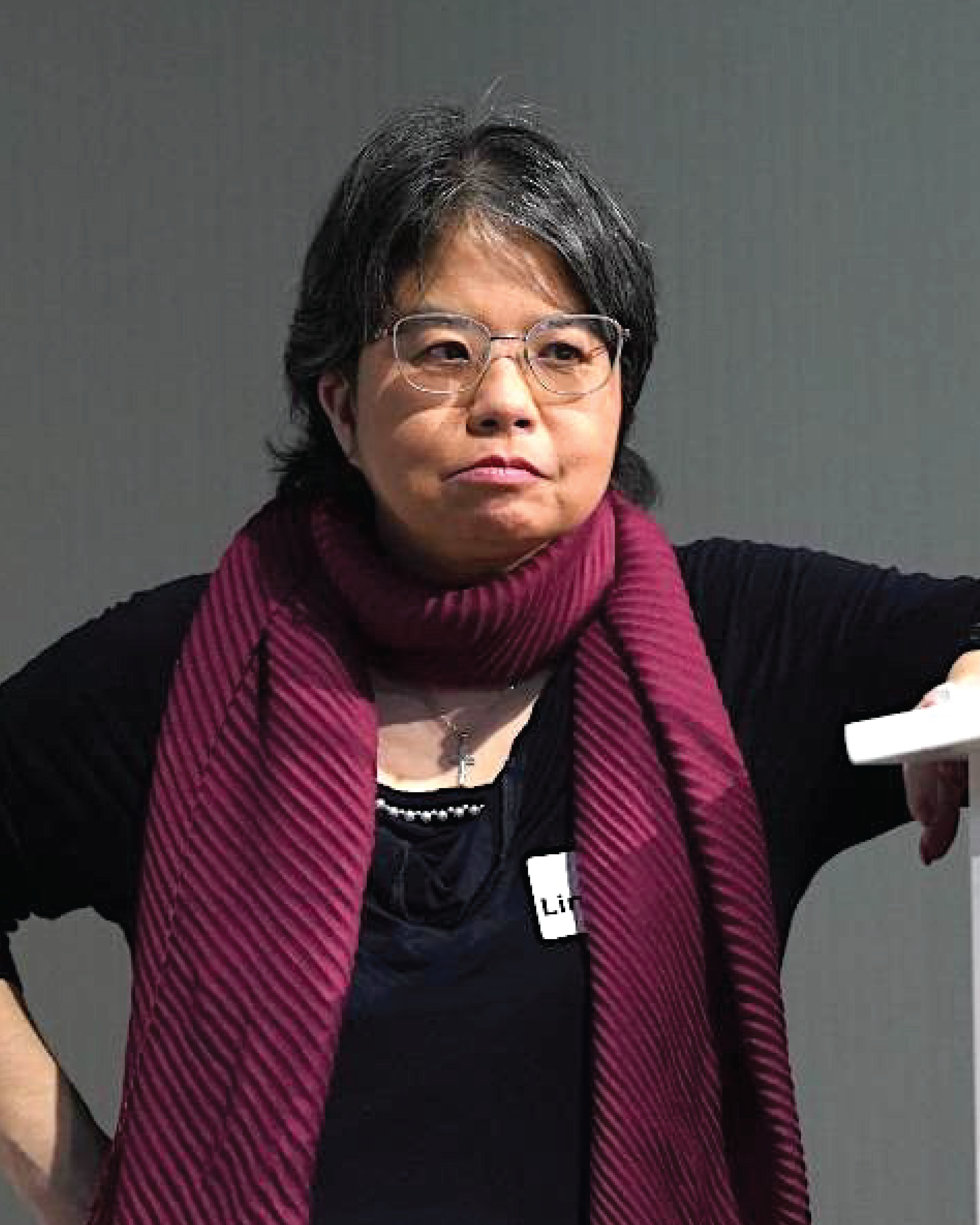
Interviewee:
Linda Lochmann-Sulindro
Daughter of Herianto Sulindro
Introduction
Herianto Sulindro (Kho Lin Hek, born 1928 in Sokaraja, East Java, Indonesia, passed away in March 2025) was a postmodern Chinese-Indonesian architect and urban planner. He received his first architectural training at the Institute of Technology Bandung (ITB) in Indonesia before continuing his studies in Delft, the Netherlands, and Berlin, Germany. There he began his professional career as an architect and urban planner. He later worked for the city of Zurich for three decades and also took on architectural projects in Indonesia, Brazil and Switzerland.
After retiring, he returned to Indonesia in 2017 and lived in a retirement home, Rukun Senior Living, in Sentul, Bogor. During the pandemic, he created 78 paintings in the Chinese style. He died on March 24, 2025 at the age of 96. Although he is no longer with us, his legacy lives on through his contributions to postmodern architecture and urban planning.
In this interview article, SUAVEART talks to Herianto’s only daughter, Linda Lochmann-Sulindro (Lindawati Kho), who offers an intimate reflection on her father’s migration journey, her experiences as the daughter of an immigrant, his professional achievements and legacy, and her vision for the upcoming exhibition celebrating his life and work.
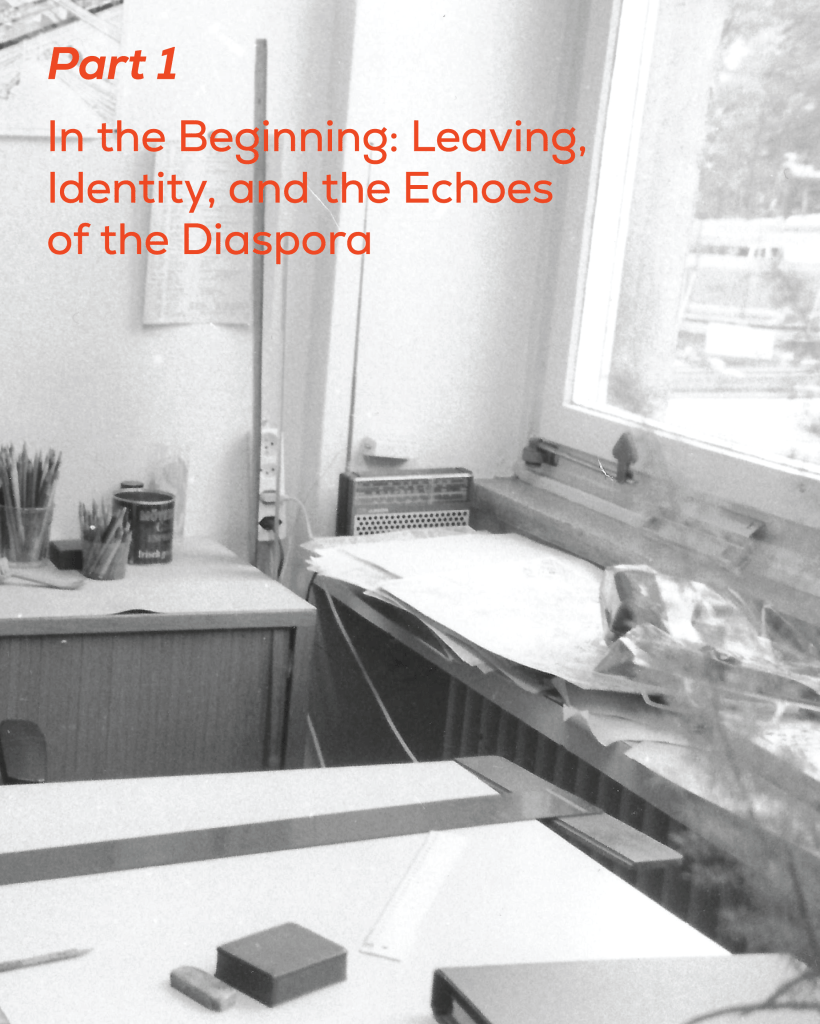
Part 1
In the Beginning: Leaving, Identity, and the Echoes of the Diaspora
Herianto began his architectural training in Indonesia before emigrating to Europe to deepen his studies and achievements. This journey eventually led to his family settling permanently in Switzerland. The following questions shed light on the beginning of his migration journey and the influences that shaped his life and career.
For my father, leaving was never framed as ambition.
It was framed as survival.
After Indonesia’s independence in 1945, many Chinese-Indonesian families lived with a growing sense of insecurity. Political tensions, trade restrictions, and social discrimination made daily life increasingly unstable. In the 1950s, this uncertainty was not abstract, it shaped where you could work, study, and imagine a future.
When I remembered my father’s stories, migration to Europe – especially to the Netherlands and later to Germany – was influenced by several factors:
(1) Political uncertainty and discrimination: In the years following Indonesia’s independence, many Indonesians of Chinese descent faced growing insecurity and disadvantage in the face of rapid political and social change. In the 1950s, increasing political tensions, trade restrictions, and at times anti-Chinese resentment led to an increasingly precarious environment.. These circumstances led many families to look elsewhere for more stable living conditions and safer living conditions.
(2) Educational opportunities in Europe: Europe provided higher education and vocational training, especially for those who want to pursue academic or technical careers. Many young people, including my father, have decided to continue their studies abroad – in fields such as architecture, engineering or science. Germany and the Netherlands were popular destinations because they were closely linked to Indonesia through the former Dutch East Indies and through emerging bilateral exchange programs.
(3) Economic prospects and reconstruction of Europe: In the 1950s and 1960s, Europe, especially Germany, experienced a period of rapid economic recovery known as the Economic Miracle (“Economic Miracle”). The growing demand for skilled workers and students from abroad opened up the possibility for new migrant groups, including those from Asia, to gain a foothold in Europe.
(4) Existing trade and cultural relations: The long-standing economic and cultural relations between Indonesia, the Netherlands and Germany facilitated travel, study visits and migration. Regular shipping routes from Jakarta to European ports such as Hamburg and Rotterdam formed part of these extensive transnational networks, linking Southeast Asia to the academic and economic revival of post-war Europe.
My father often spoke about this period as one of constant adjustment. The destruction of my grandparents’ tobacco plantation during the Japanese occupation marked a deep rupture in the family’s economic foundation. What remained was resilience. My grandmother managed to sustain the batik business, but the sense of fragility never disappeared.
Through our conversations, I finally learned that the administration of the tobacco plantation was unfortunately sparse. I am convinced that my grandfather tried with great effort and dedication to continue the plantation successfully, even though the circumstances were extremely difficult.
Leaving Indonesia was not about turning away from home. It was about finding a place where life could continue with less fear.
Europe represented education, and education represented stability.
For young people interested in architecture, engineering, or science, Europe offered opportunities that were simply unavailable in Indonesia at the time. Germany and the Netherlands were especially significant because of existing academic and economic ties, as well as emerging exchange programs after the war.
Germany, in particular, was undergoing rapid reconstruction in the 1950s and 1960s. There was a strong demand for skilled professionals and students. My father did not arrive with a clear long-term plan — only a desire to deepen his knowledge.
With the encouragement of his siblings, he boarded a ship from Jakarta to Hamburg. That journey was not guided by certainty, but by trust—in education, and in the possibility of building something new.
Harsh. Very harsh.
A few months after arriving in Hamburg, my father became seriously ill. He was not prepared for the cold European climate, and he developed severe rheumatism that required hospitalization for three months. This illness accompanied him throughout his life.
In many ways, his body encountered Europe before his mind could fully adapt.
Yet even during this difficult period, he remained curious. He traveled extensively across Germany, the Netherlands, and later other European countries such as Norway, Spain, and Greece. He wanted to understand how cities functioned, how people lived, how landscapes shaped architecture.
Illness did not stop him — it became part of the conditions he learned to live and work with.
Language was one of the biggest challenges.
Learning German was not easy for him, even though he was already working professionally in Zurich. Still, he continued to attend language courses because he believed integration required effort and humility.
At the same time, he never tried to erase who he was. As a Chinese-Indonesian migrant, he had a deep passion for architecture. When traveling – whether for work or with his family – he always took his camera with him. He photographed people, houses, churches, landscapes and cities — in values, habits, and the way he observed the world.
Photography became a tool for understanding cities from multiple perspectives.
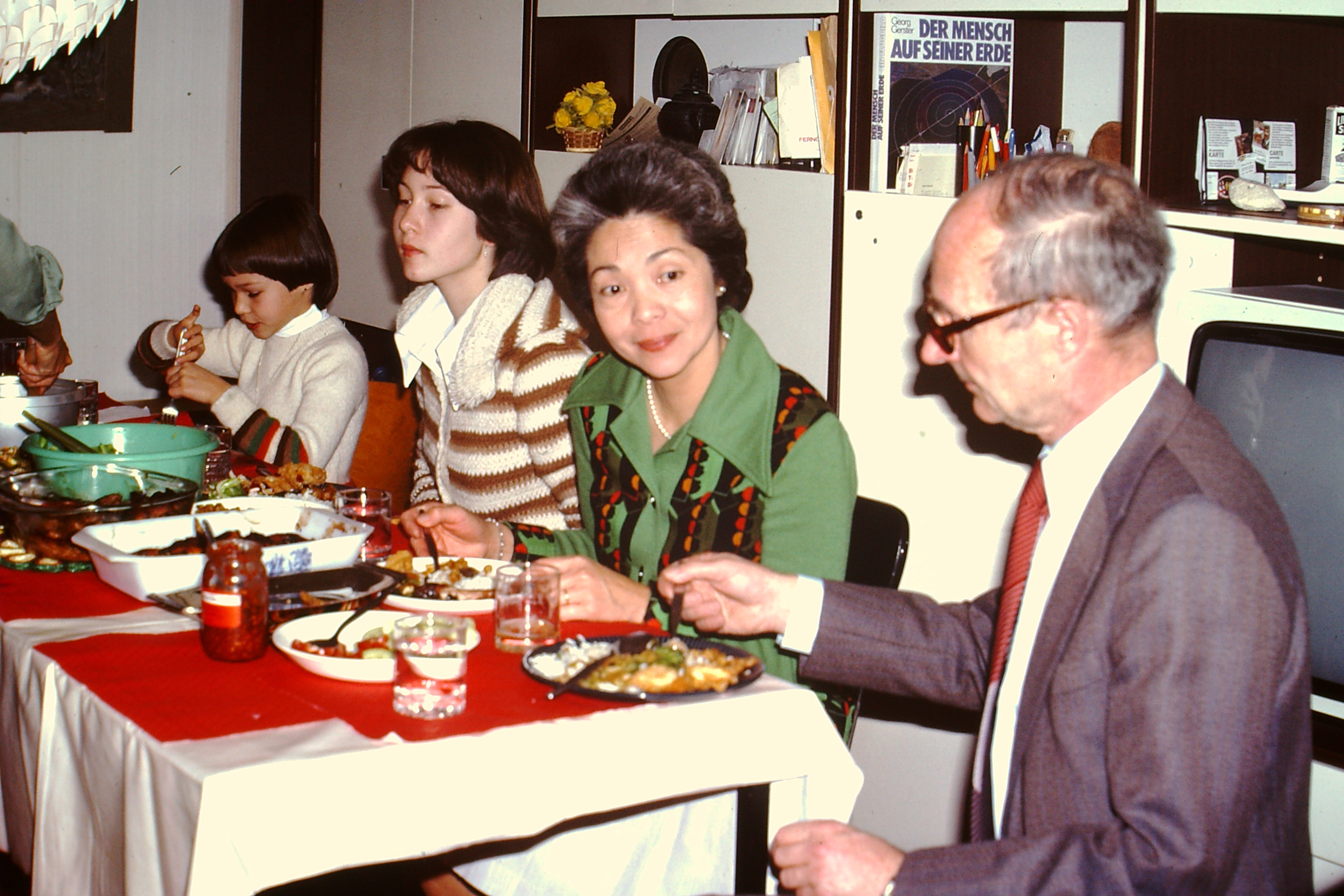
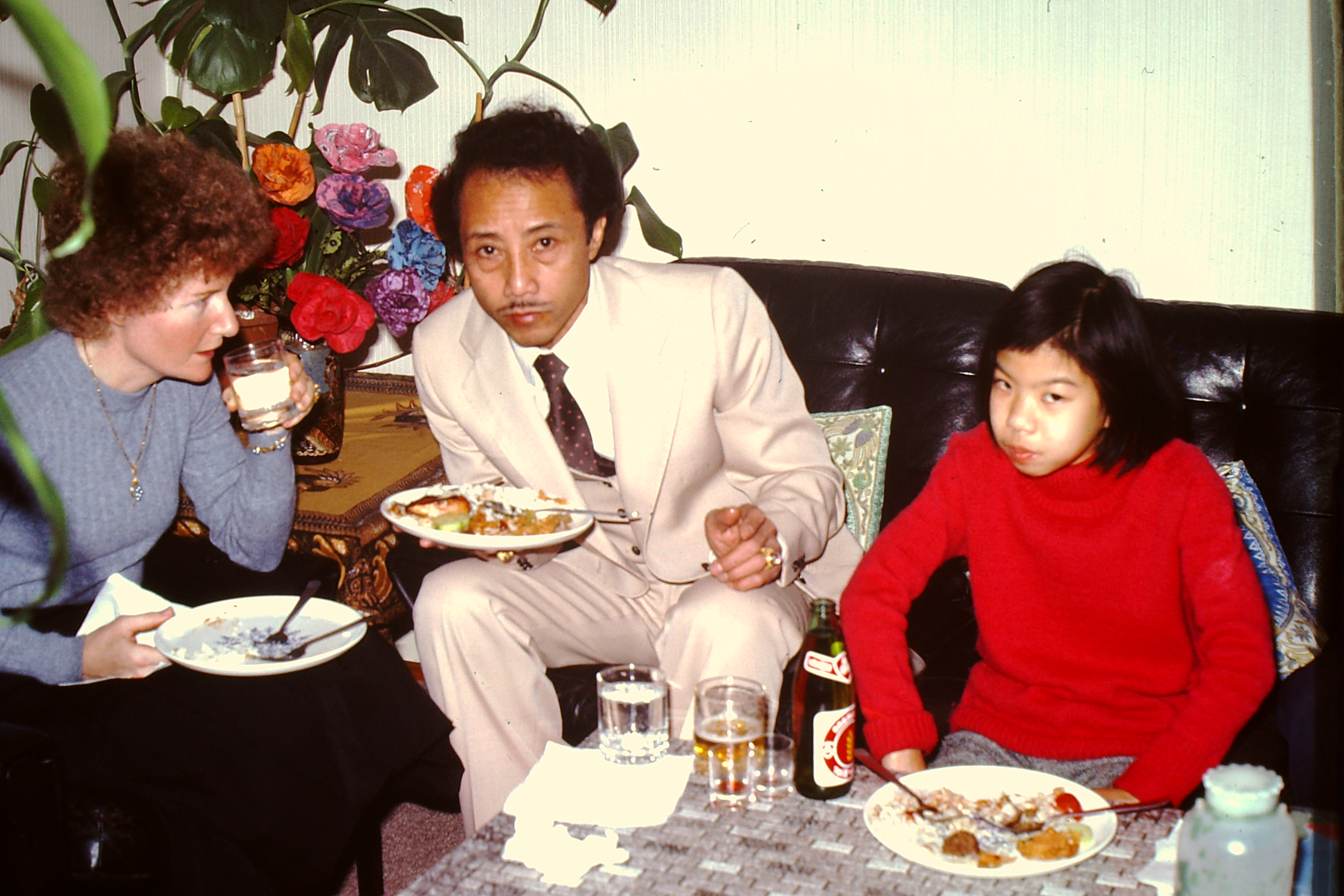
From surviving letters and photographs, I know that he built strong professional and social networks during his studies. In Zurich, he maintained close relationships with colleagues and occasionally hosted them at our home, Schubertstrasse. Belonging, for him, was built slowly, through work, curiosity, and consistency.
Migration reshaped identity in ways that were both visible and invisible.
In the 1960s, Indonesia entered a period of dictatorship that placed many families in precarious and often dangerous circumstances. Unable to navigate the increasing political and social instability, many chose to leave in search of safety and the possibility of building a new life elsewhere. According to my father, this decision proved to be the right one. Emigration offered not only physical security, but also the freedom to start a family and imagine a more stable future.
This period also imposed deep and lasting changes on personal identity. During the 1960s and 1970s, Chinese-Indonesians were required to adopt Indonesian names. Kho Lin Hek (許麟赫) became Herianto Sulindro. My mother, Kwee Els Nio (郭爾斯娘), became Els Sulindro.
When I was born in 1968, I was registered with both a Chinese name, Lindawati Kho, and an Indonesian name, Lindawati Sulindro. This dual naming continued into the next generation with my nieces and nephews.
These changes were not just administrative. They marked how identity became something negotiated rather than inherited. Migration was not only about moving across borders—it was about constantly adjusting how one is recognized.
Home was never singular for me.
Before migration, both sides of my family in Indonesia were connected to religious communities, and each side carried different cultural practices. These layers already existed before Europe entered the picture.
After settling in Switzerland, my parents preserved their culture through everyday life, language, food, faith, and family routines. There were no grand declarations, just continuous connection. Through perseverance, family support, and continuous learning, he gradually overcame these obstacles. His experience demonstrates how courage, openness, and strong familial bonds can transform displacement into a sense of belonging.
As a second-generation migrant, I witnessed how my family integrated into Swiss society while maintaining cultural continuity at home. Swiss values, such as punctuality, respect for rules, social responsibility, and a strong work ethic, became embedded in our everyday lives. At the same time, traditions from our place of origin remained present through language, food, and family rituals. Rather than existing in conflict, these cultural layers gradually intertwined.
My father’s open-minded attitude helped sustain a vibrant migrant community that continues to exist today. I remain connected with his colleagues and their families, forming a second-generation network in Zurich. Within this community, we continue learning from both our inherited culture and our adopted home. Over time, these influences blended so seamlessly that home became less about geography and more about shared values, relationships, and mutual care.
For today’s generation of migrants, his experience offers a clear lesson: integration does not require erasure. Adaptability, education, and openness can coexist with cultural memory. It is precisely this balance—between holding on and learning anew—that allows migrant communities not only to survive, but to thrive.
****
Growing up as a descendant of immigrants and as a deaf person, my understanding of culture and identity has always been layered and relational. Before emigrating, both sides of my family in Indonesia were connected to the Reformed and Catholic Church. My mother’s family ran a batik business, while my father’s family maintained more traditional Chinese practices, particularly in education, family structure, and ritual life. These differences already shaped a plural cultural foundation before migration even occurred.
My parents married in a church in Switzerland, where my father later established himself professionally as an architect and urban planner in Zurich. For my mother, adapting to a new country was a slower and more demanding process. She primarily took on the role of caregiver and homemaker, occasionally working short-term jobs, while sustaining close ties with her siblings and extended family through letters and long-distance phone calls. In this way, my parents preserved their home culture not through grand declarations, but through everyday practices—language, values, faith, food, and constant emotional connection across borders.
My deafness added another dimension. My parents had to navigate Swiss education systems while also maintaining cultural continuity at home. Their approach reflected a blend of cultural values: perseverance, responsibility, and collective care from their Chinese-Indonesian background, combined with the Swiss emphasis on structure, education, and social inclusion.
Growing up, I learned to move between worlds: the deaf world and the hearing world, Swiss society and Chinese-Indonesian heritage. Identity formation was slow, sometimes difficult, but deeply enriching.
Very much so.
Growing up “between worlds” profoundly shaped my sense of identity. As a migrant child and a deaf student, I often felt different during my school years. Identity formation was not immediate, it was slow, sometimes difficult, and required patience. Yet this experience was also deeply enriching. Over time, I built a social life and learned to move confidently between multiple worlds: the deaf world, where spoken and sign language coexist, and the hearing world of work, family, and broader society. My ability to lip-read and my strong foreign-language skills, encouraged by my parents, became bridges rather than barriers.
I am Swiss, but I feel a strong connection to Chinese-Indonesian culture. This heritage was not abstract; it was lived daily within the family. I feel shaped both by the tropical, relational warmth associated with Chinese-Indonesian culture and by the seasonal rhythms, pragmatism, and civic mindset of Switzerland. These influences do not compete, they coexist. My identity lives in the space between them.
In this sense, the concept of being a “third-culture individual” resonates strongly with me. Home is not defined by a single place, but by relationships, values, and the ability to navigate multiple identities without having to choose one over the other. For my parents, home meant preserving cultural memory while embracing a new social reality. For me, it means integration without erasure.
Looking back, my parents’ decision to move to Switzerland highlights the importance of environments that actively support education, accessibility, and inclusion, especially for people with special needs such as deafness. Their experience shows that identity formation across cultures can be challenging, but it also offers resilience, adaptability, and a wider worldview.
This intergenerational perspective continues into the present. My hearing son, born and raised in Switzerland, is firmly rooted in Swiss culture through his own social life. At the same time, he has access to the cultures of his grandparents. While we have not yet deeply discussed how he identifies with Chinese-Indonesian culture, I make a conscious effort to share family stories and maintain dialogue. I believe these conversations are essential, not to prescribe identity, but to offer him a broader horizon of belonging.
More broadly, growing up between cultures teaches that identity is not fixed, but evolving. It allows people to develop empathy, flexibility, and a sense of belonging that is not bound to a single nation or language. Rather than a lack, cultural multiplicity becomes a form of richness, one that continues to unfold across generations.
For me, home is not defined by geography. It is defined by relationships, values, and the ability to move between identities without having to choose only one.
My father’s life taught me that integration does not require erasure. Adaptability, education, and openness can exist alongside cultural memory. This balance is what allows migrant communities not only to survive, but to thrive.
It shows that displacement can become belonging, without forgetting where one comes from.
My father was part of the first generation of Indonesians to study in Europe, first lived in the Netherlands, more precisely in Delft. Due to diplomatic tensions between Indonesia and the Dutch administration in the Irian Raya region (now West New Guinea), he had to leave the country.
He faced unfamiliar systems, languages, and expectations. Through perseverance, learning, and family support, he transformed uncertainty into stability.
For the Chinese-Indonesian diaspora, his story is an example of courage, adaptability and willingness to engage in a new environment. His life shows how migrants can build bridges between their countries of origin and host countries through education, work and cultural openness.
For today’s migrants, his experience reminds us that identity is not fixed. Nevertheless, the idea of the diaspora as a bridge between cultures remains, with the appreciation and visibility of these communities evolving over time from private family ties to institutional and public recognitions. It evolves. And within that evolution lies resilience, empathy, and a broader sense of the world.
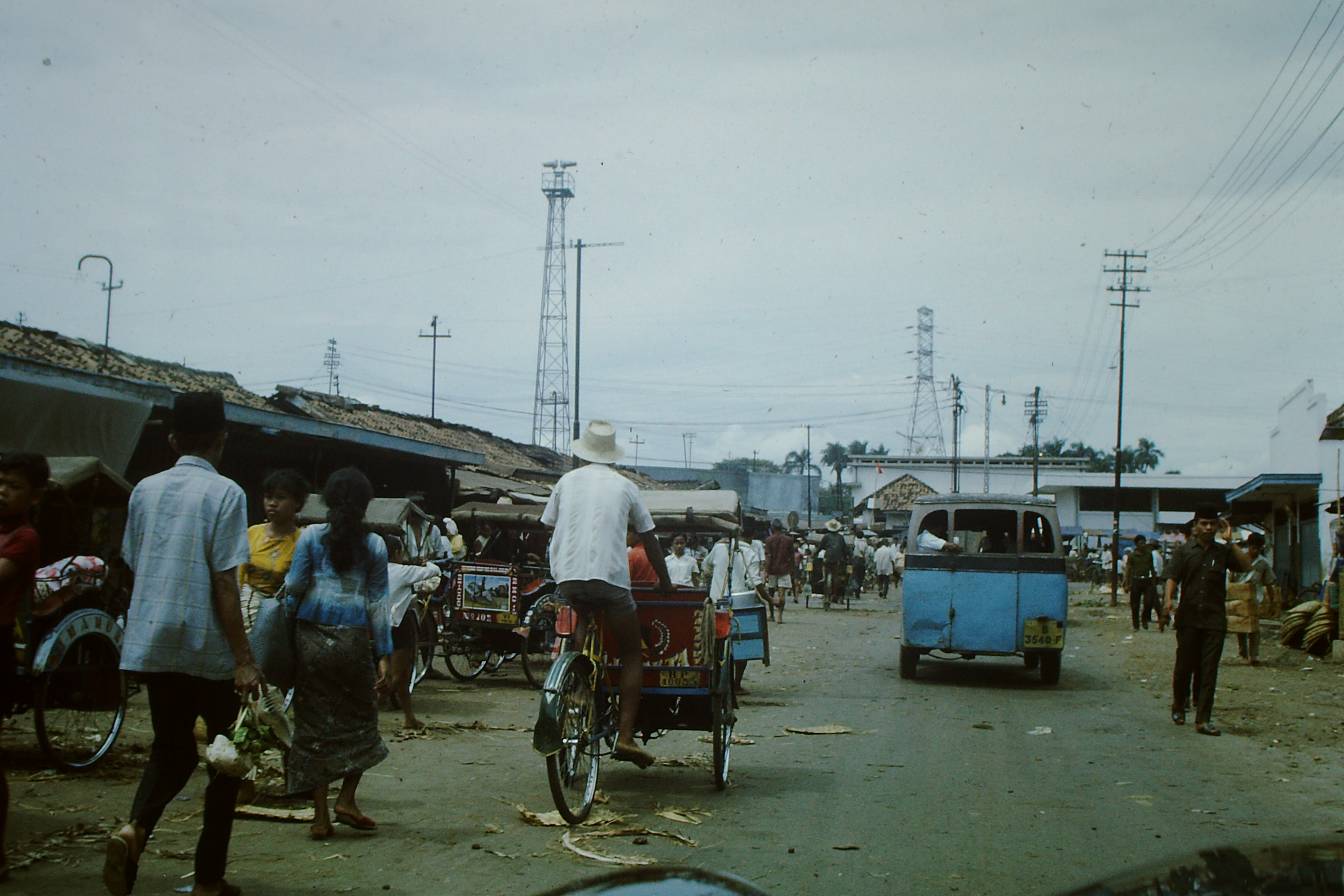
【Cities, as seen through the lens of Herianto Sulindro】
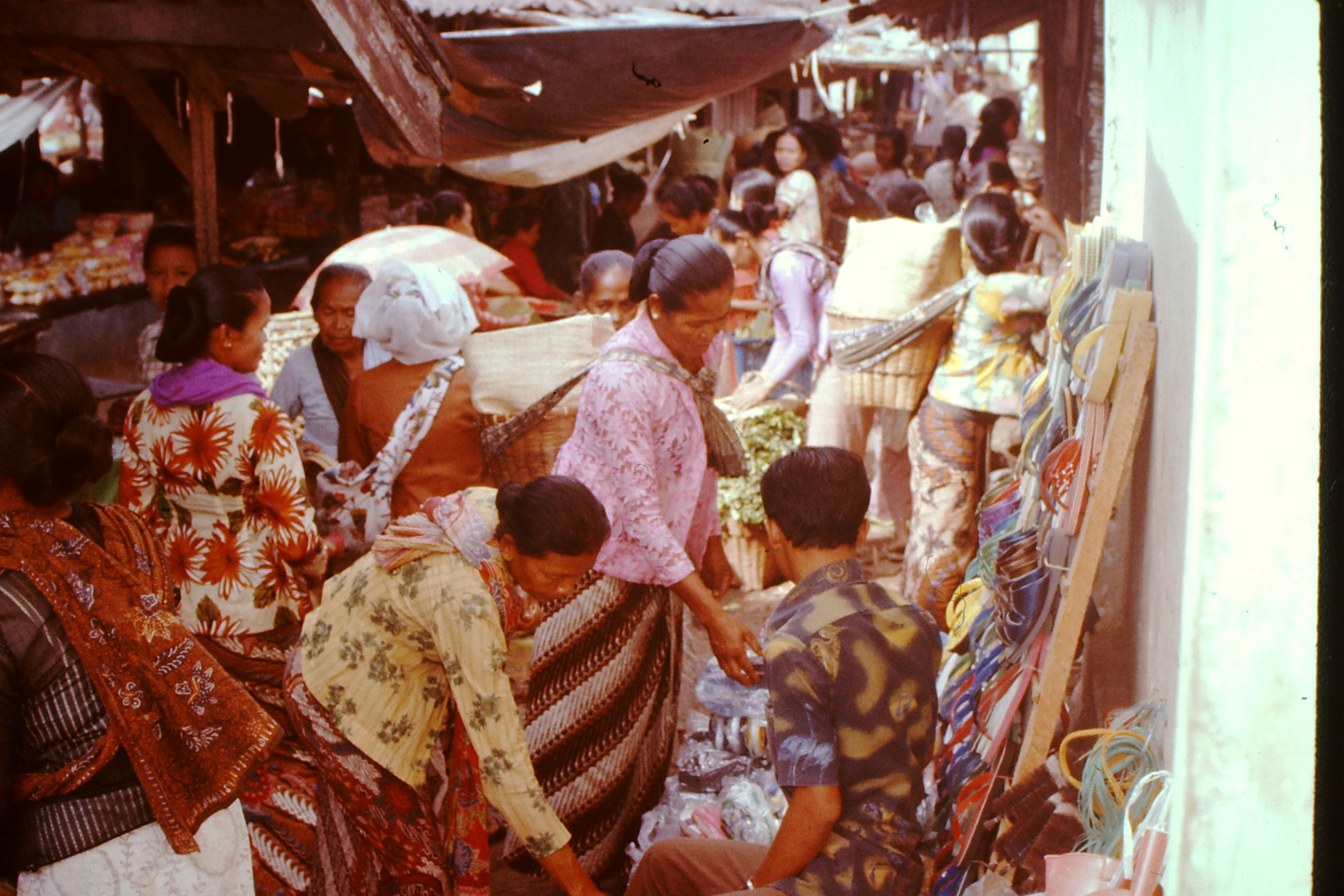
Bali, as seen through the lens of Herianto Sulindro.
Jakarta, as seen through the lens of Herianto Sulindro
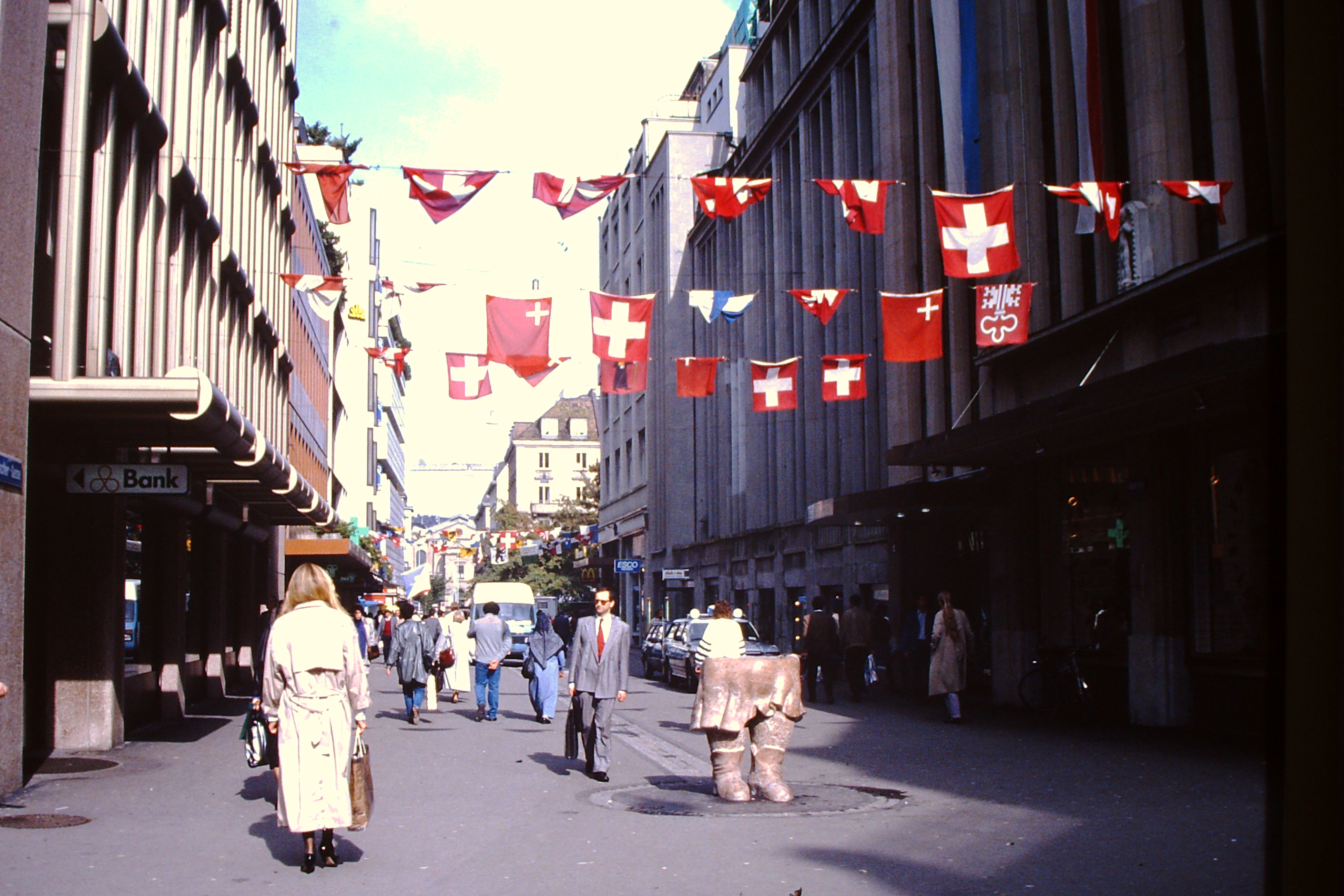


Life in Zurich
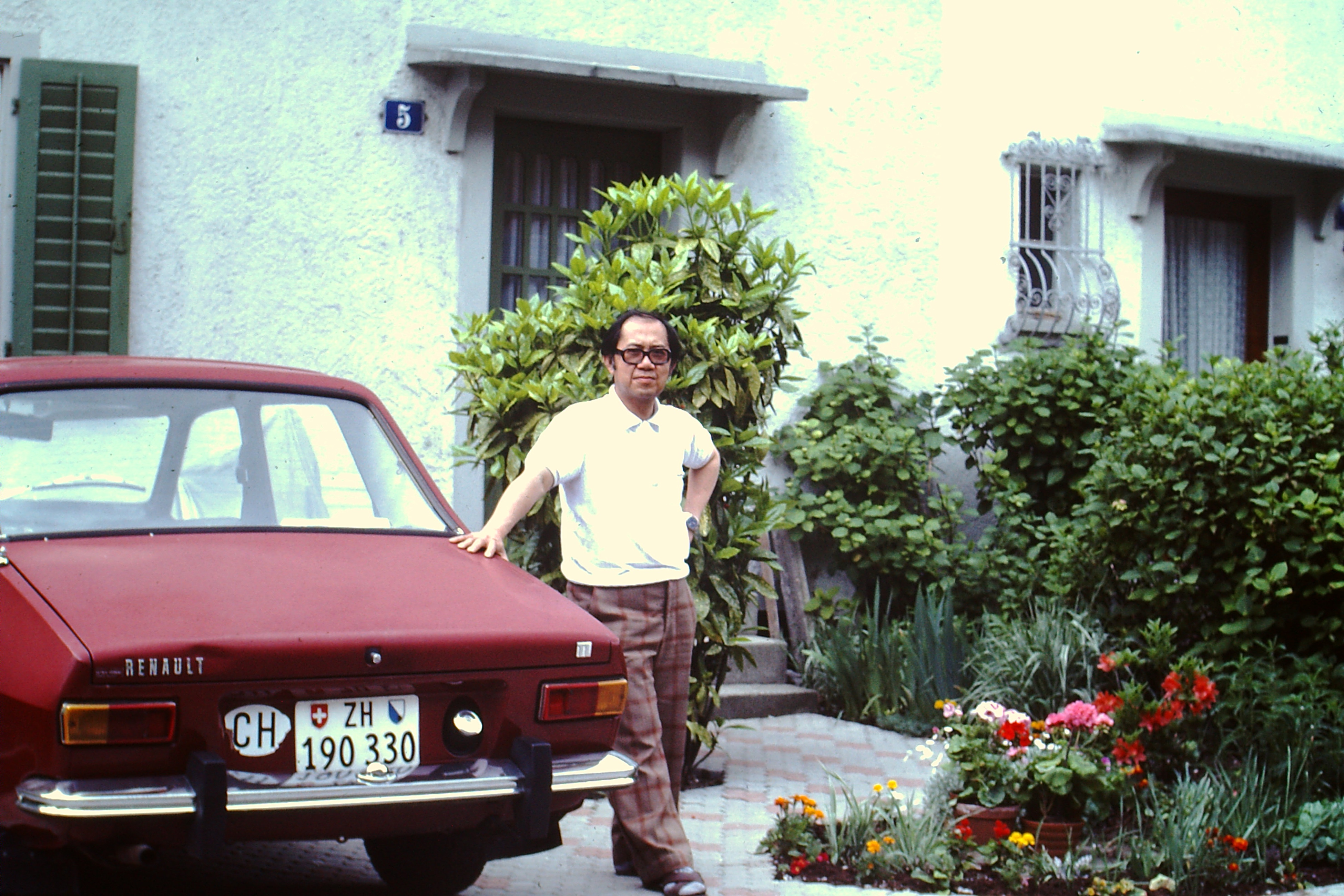
Photograph by Linda, childhood period
Interviewer: Mesha & Yipei Lee
Special thanks: Linda Lochmann-Sulindro
Photo credit: Yipei Lee, Linda Lochmann-Sulindro & Kho Family
 細着藝術 SUAVEART