Short Intro of CURATOR
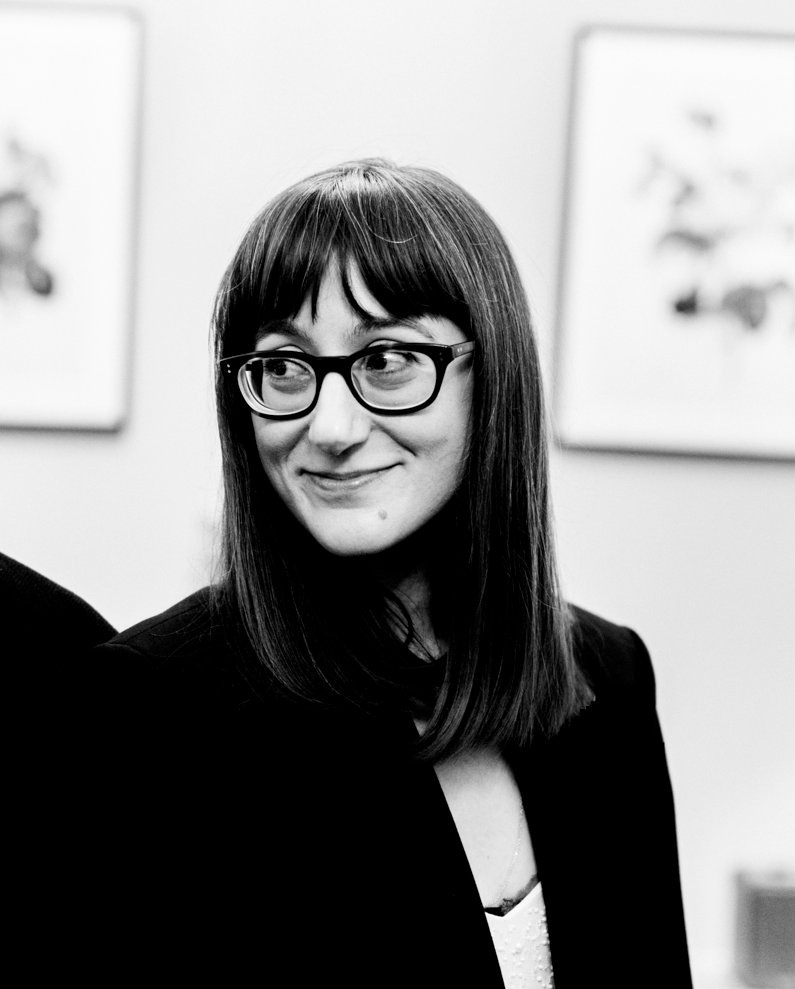
Charlie Levine is an independent curator working in London and Mumbai. She obtained an MA in Critical and Contextual Art Practices from Birmingham City University in 2006 after which she started her curatorial career as founder and director of TROVE, an independent art gallery in Birmingham, which ran from 2009 to 2013.
Curatorial Expertise & Interests
Using fiction as a curatorial starting point, I specialise in building artist and partner communities to co-create ambitious, multi-venue exhibition programmes. My work centres on the design and direction of curatorial frameworks, responding to place, shaping themes, forging collaborations, and developing engagement opportunities with lasting legacies.
My personal research practice explores the domestic space through a curatorial lens, examining the relationship between curating and photography via the concept of ‘the frame.’ I’m also interested in the histories and methodologies of curating, with a particular focus on the contributions of women curators.
I’m a passionate advocate for the role of the arts in policy and placemaking, and I work to create better access routes into the creative industries and build a more diverse, representative sector.
I support organisations in discovering their creative potential, new networks and producing innovative, high-impact projects that resonate far beyond their immediate contexts.
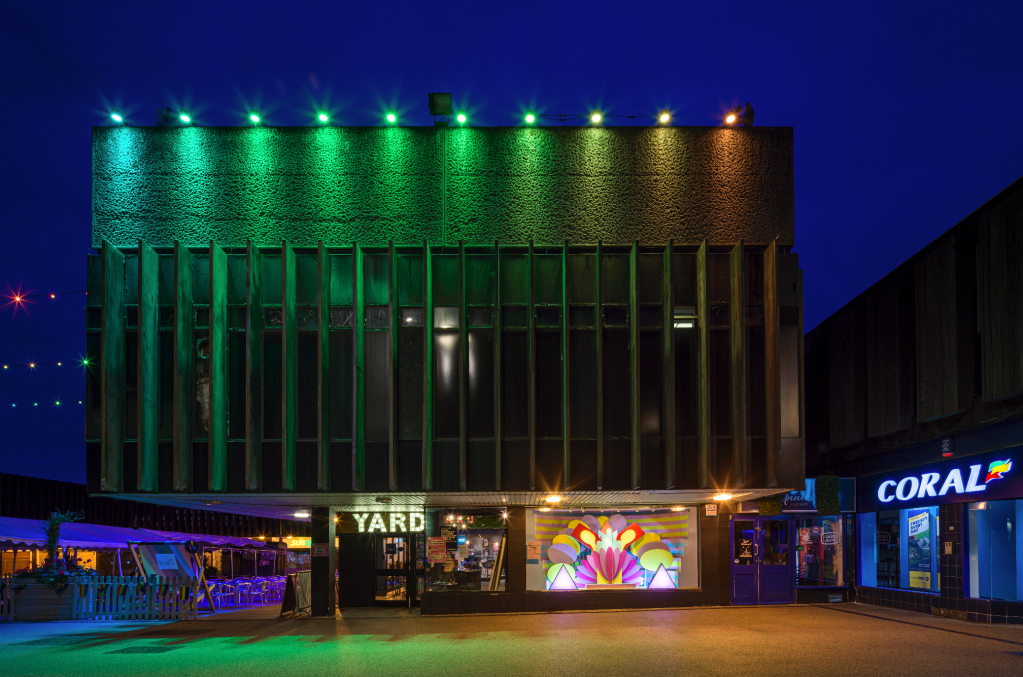
Adam Nathaniel Furman, The Show Windows, 2021, image credit Gareth Gardner 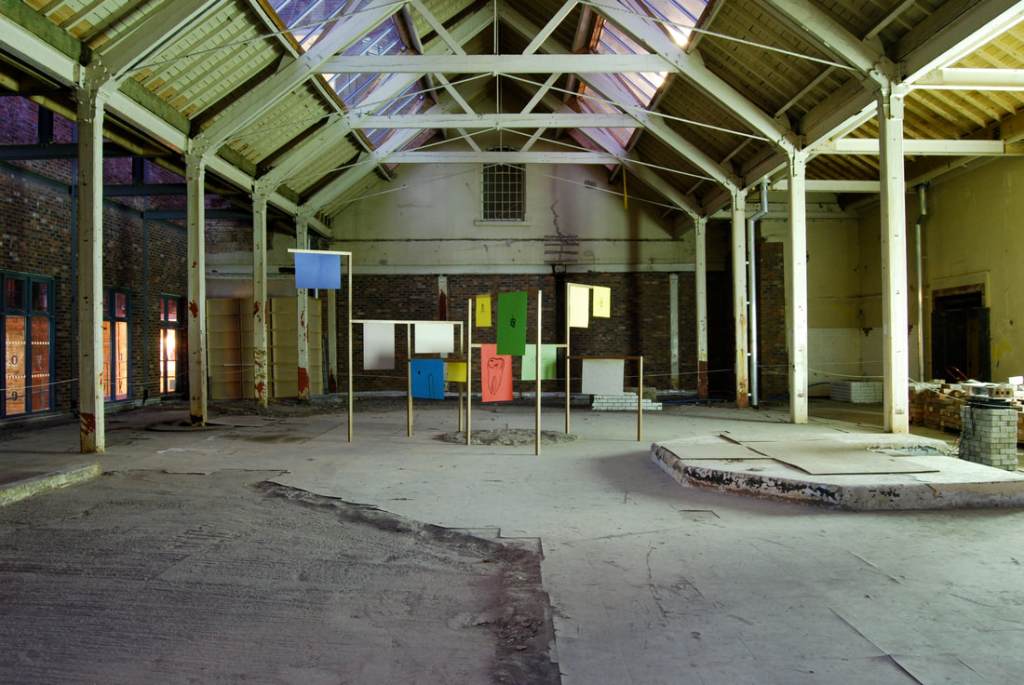
David Mackintosh at TROVE, 2010 image credit Charlie Levine 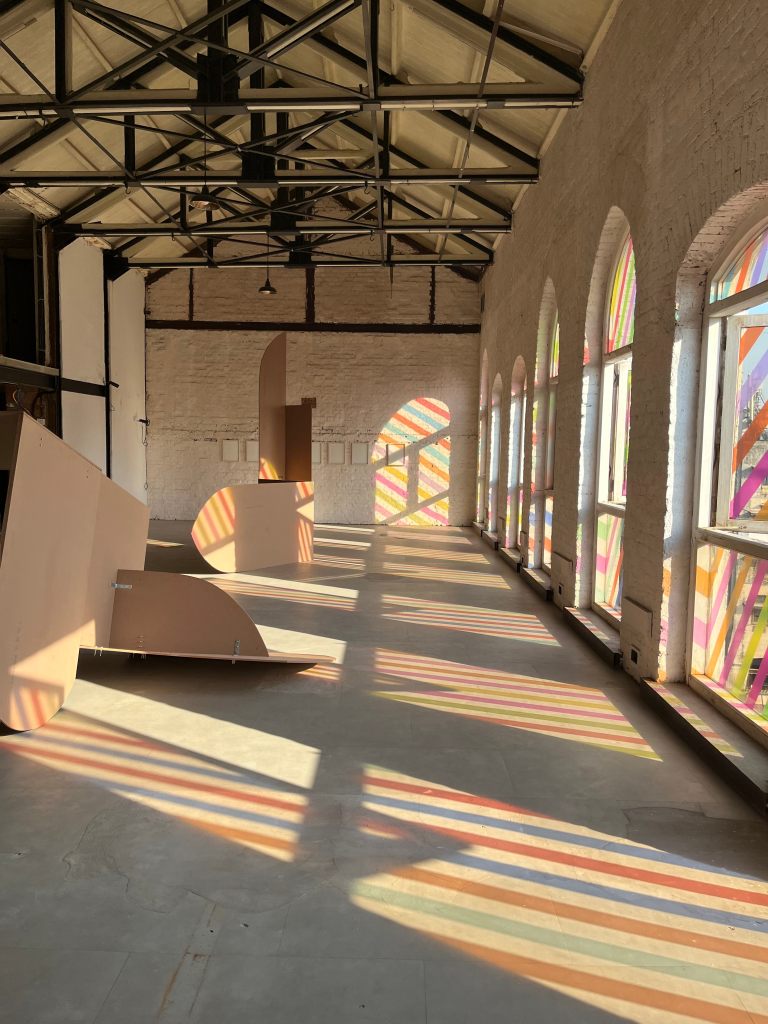
KK TROVE, SqWLab, 2023 image credit Charlie Levine 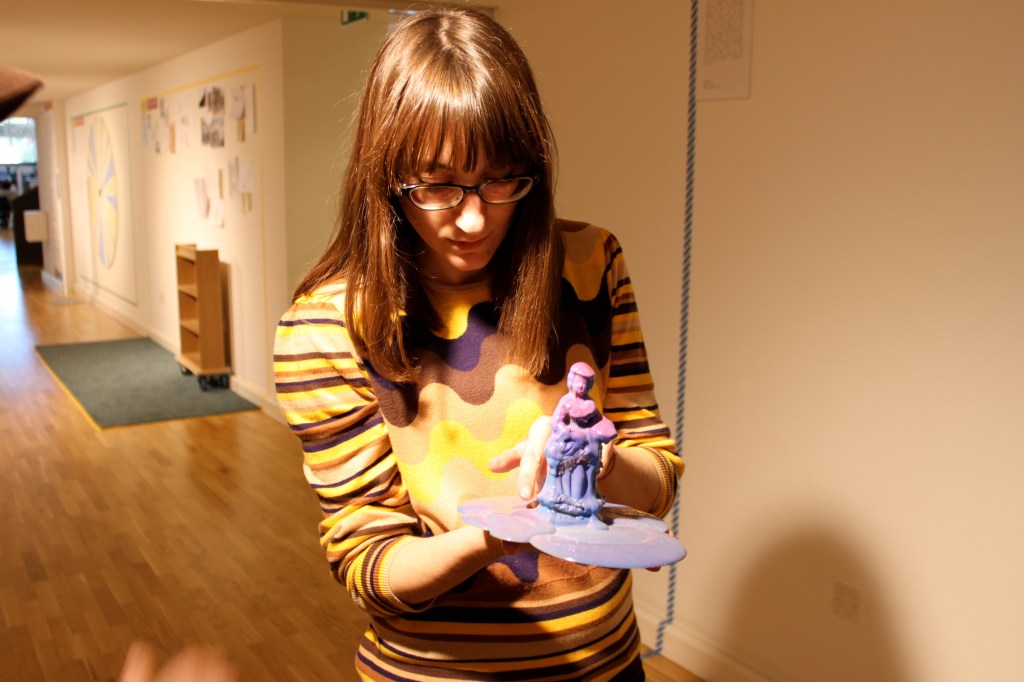
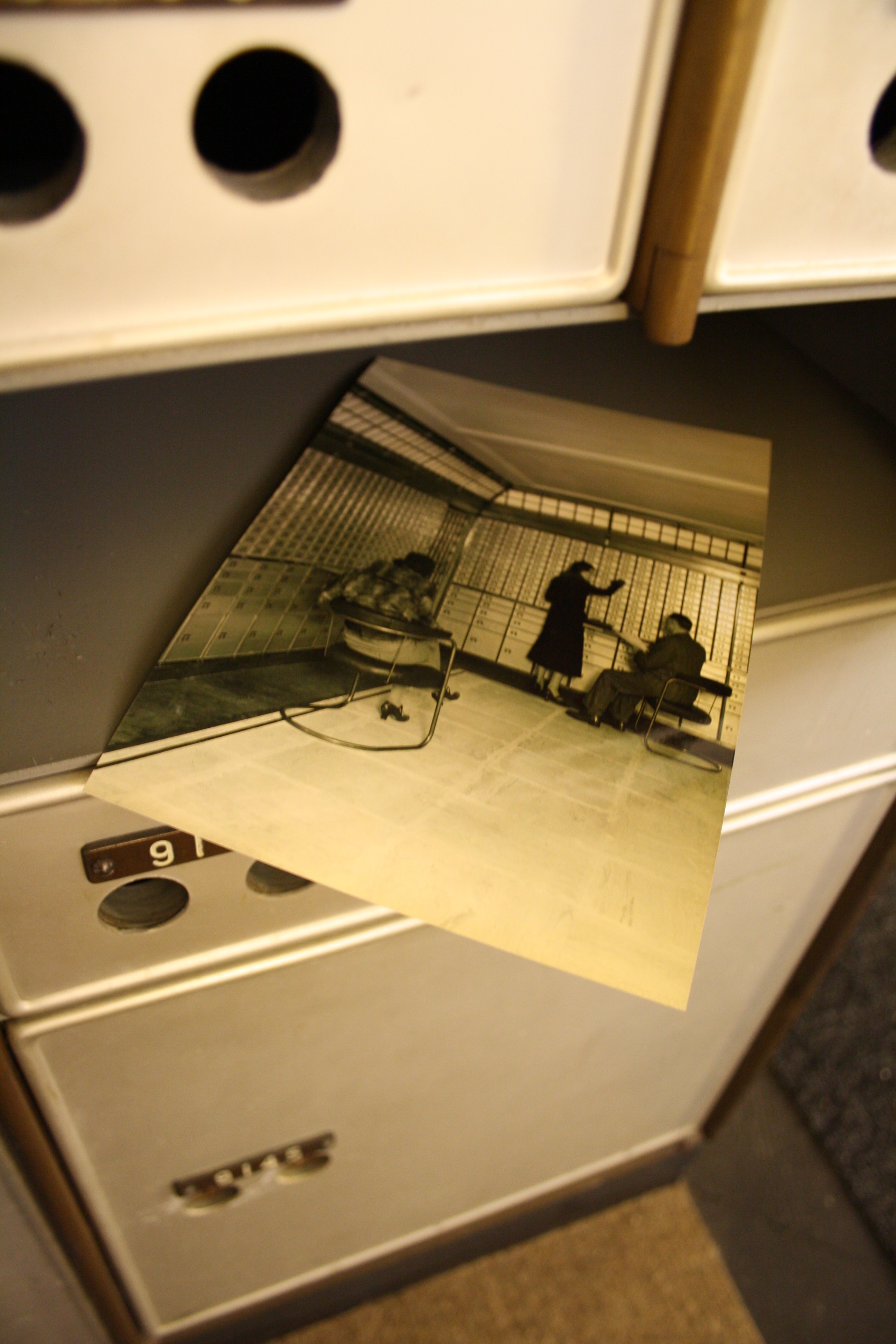
photo by Daniel Salisbury for an installation at mac birmingham in 2013 artwork by will kendrick 2012 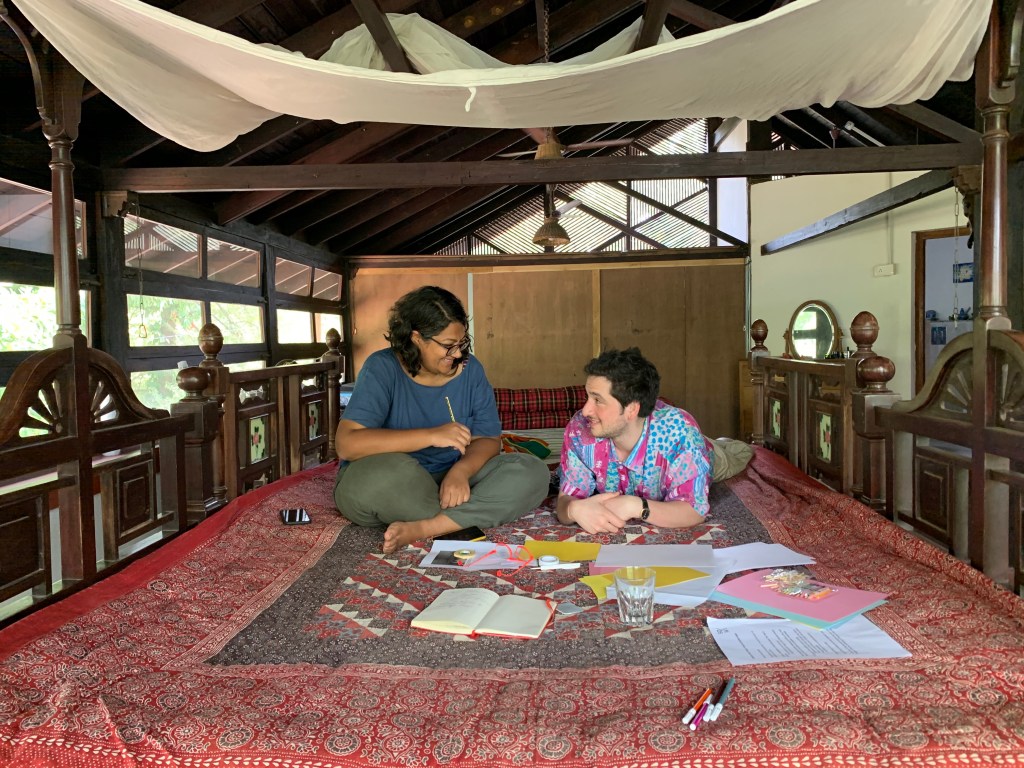
SqWLab Nibha Sikander and Adam Nathaniel Furman 2020 Play Project – Curate the Home, image credit Charlie Levine
【From Coffee to Curating: A Day with a Curator】
I completely understand the sentiment behind this question, the ever changing cultural landscape can be exhausting, and if I’m being honest, I’m not trying to keep up with every shift in the sector. Instead, I’m more interested in understanding my own practice, the work of my network, and returning to the central questions: what is the point of curating? And, even more so, why?
In the early years, I worked fast and instinctively driven by curiosity, grassroots collaboration, and opportunities as they arose through my friends. But as time has gone on, I’ve felt the urge to look back and unpack those decisions: who inspired them, what shaped my thinking, and how they fit into a broader cultural and historical context.
That’s where the Institute of Curiosity & Curating really came from. It started during the Covid-19 lockdown that offered a rare moment of pause where I had the time and headspace to think, reflect, and be inspired for myself, rather than in response to a commission or brief. I was also working with a life coach at the time, who helped me unlock a fear I’d had around critical writing. I’d always assumed I wasn’t “good enough,” and avoided it. She asked me: Is it the act of writing itself that’s the issue, or the idea of criticality? It turned out to be the former.
She suggested I speak about my research instead of writing it, and that’s how the podcast element of the Institute was born.
It’s a space to demystify curatorial practice, remove gatekeeping, and open up the conversation. A space for reflection, curiosity, and connection with the hope of contributing to a stronger, more inclusive sector. I want to be able to contribute to its growth and offer a space for discovery and play.
Representation isn’t something to be bolted on at the end, it has to be built into the foundations of a project from the start. I actively work to ensure a wide range of voices, backgrounds, experiences, and art forms are embedded in the very fabric of my curatorial work. I’m proud that in my more recent projects, especially those I’ve led from the feasibility stage, that I’ve had the opportunity to design them with these values at the core.
I’ve also been incredibly fortunate to learn from brilliant women like Samina Zahir and Lucy Jefferies, who model this kind of inclusive practice with generosity and precision.
That said, I’ve also had moments where I’ve realised how far we still have to go. I once led a major curatorial project with a client from outside the arts and had to walk them through the idea that art is not just white men from 1960s America. That art can look radically different, tell many stories, and come from many people. It was a sharp reminder that, while inclusive practice may be second nature to some of us, there’s still significant work to be done across sectors to challenge assumptions and expand understanding.
Social and political awareness isn’t optional in curating – it’s essential. As curators, we have a responsibility to create safe and generative spaces where artists can be heard, seen, and supported to challenge, inspire, agitate, or reflect the world around them. It’s a position of privilege and power, and it must be wielded with care.
I see curating as both, and neither. It is a space for dialogue, but not just between people. It’s a conversation between the artwork, the site in which it’s shown, the people who encounter it, and the wider social or political context. It’s not a closed loop, it’s more open-ended, layered, and often unpredictable.
For me, the “experimental knowledge lab” lives more in the background. It’s the foundation work, the behind-the-scenes processes that support curatorial thinking and making. I’m just as interested in exposing those processes as I am in refining them as part of my curatorial practice, sharing the backstage mechanics, not just the final performance, again this is part of the Institute of Curiosity & Curating’s work.
This idea also forms the basis of SqW:Lab, a creative fellowship I co-founded in Mumbai. Each year, we design “Play Projects”, which are prompts for interdisciplinary collaboration and experimentation across art, design, architecture, and more. It’s a studio environment purposefully to be a space without pressure, where process is everything and outcomes are fluid. For me, it’s been a space to test ideas, take risks, and be joyfully uncomfortable. That energy feeds directly into how I curate.
I don’t just project-manage exhibitions. I build them. I get inside them. I approach exhibition-making as an act of creative authorship, thinking about visual storytelling, invisible threads, spatial dynamics, and problem-solving. My own creative energy is part of the process, though always in service of the work. Ultimately, the spotlight must land on the art and the audience, not the curator.
As for visual appeal versus intellectual depth, I don’t think they’re opposites. To me, they exist on a spectrum of perception. A shard of light on a drink, the way dust shifts on a Tube platform, these everyday visuals hold enormous beauty. Whether I want to theorise them or simply enjoy them depends on the moment and I ask the same of an audience, as art should work like that too. You can dig for meaning or just feel something. Either response is valid. Sometimes the simplest moment or accidental encounter with an artwork is the most profound.
All the time! I get excited by spaces, buildings, places, and their histories every single day, and I’m not exaggerating. Even on days when I don’t leave the flat, I find inspiration in the domestic – the nooks, the objects, the light. When I walk through the city, I’m constantly scanning for potential: empty shops, closed-down banks, disused corners by train lines, ledges in shop windows, forgotten notice boards on housing estates. Every one of them whispers, “you should exhibit here.” I love that kind of inspiration, unbounded by the four white walls of a traditional gallery.
KK TROVE is a perfect example of this. The site immediately reminded me of TROVE, my former gallery in Birmingham, where the majority of our programme was site-responsive. KK TROVE existed in a state of transition, the beautiful mess between one tenant moving out and another moving in. That limbo of identity became the conceptual anchor for the exhibition.
In projects like this, the site isn’t just a backdrop, it is, as you say, a co-creator. Its presence shapes the narrative, informs artist selection, and demands a curatorial approach that listens, not imposes. When working with such rich spaces, it’s essential to invite artists who won’t try to “compete” with the site, but will engage with it, enhance it, complement it, and co-exist with it. That balance is an art in itself, and as curator, part of my role is to hold that dynamic steady.
For KK TROVE, the brief to the artists was intentionally open. I highlighted elements of the space that seemed to call out for intervention, like the long wall of windows, perfect for Liz West’s explorations of colour and light; the vast open floor that I knew Alice Wilson could transform with a large-scale yet sensitive installation; and the metal frames, like whimsical trees, which Sukhdev Rathod animated with his ceramic forms.
My job was to set the parameters of the story, to frame the opportunity, and then trust the artists to respond in the way only they can.
Audience feedback absolutely matters, but it’s important to distinguish between useful insight and surface-level commentary. What I pay attention to, and how I respond, often depends on the context of the project.
When I’m working with or within local authorities, for example, audience needs are paramount. Community engagement is central, so my creative decisions are often shaped by listening to what local people want, need, and care about. In these cases, the audience isn’t just a recipient – they’re a key collaborator.
In other contexts, particularly with larger or more complex civic projects, I often use feedback and observation to identify gaps or unmet needs in the wider programme. Take The Show Windows, which I curated during Coventry’s City of Culture year. At the time, there were no dedicated opportunities for local visual artists within the city’s official programme. Alongside the Trust’s visual arts director, Cara Pickering, we built that into my project and created space for local artists to be seen, mentored, and showcased. It wasn’t something I had to do, but it was something I knew needed to happen.
That kind of proactive, responsive curation, where you solve problems before they become flashpoints, is part of what I do and prioritise. It’s not about changing work to chase approval; it’s about knowing when and how to adapt in order to serve people and place more meaningfully. It’s about finding the clear message in the chaos and listening with intent.
I love working with emerging artists, and emerging ideas. Mentoring has become a core part of my practice, whether I’m supporting artists, curators, or cultural leaders. I take a holistic approach to creative collaboration, and I think that mindset translates directly into how I build exhibitions: you have to let things breathe – ideas, people, space.
Conversations are a huge source of inspiration for me. That’s a hard yes. I cannot overstate the importance of my mentors and critical friends, artists like Caitlin Griffiths, Elly Clarke, Tash Kahn, john ros and Vishwa Shroff have all been long-time soundboards. And though not artists, Victoria Patrick, Tamsin Silvey and Viya Nsumbu are the best peer mentors I have, they have incredible insight.
But inspiration can strike anywhere, a conversation, a space, a line in a book, a song. Over the years, I’ve learned to work both quickly and slowly. When I ran TROVE, I programmed just three months at a time, with a new show each month. It allowed me to be responsive and to work instinctively and react to ideas in real time. That rhythm was key to my early development as a curator.
Now, my career feels less urgent, and I value the slower, more reflective pace. I have time to let ideas marinate, to explore the why of things. I’m also leaning more into research, which brings its own rewards.
And yes, some ideas stay with me for years. One concept I can’t let go of is an exhibition of exhibition furniture: benches, vitrines, plinths – all empty of artworks or people. Imagine a room full of gallery benches, each one designed for a different institution, functional and quietly beautiful. They carry stories: of the galleries they come from, the people who rested on them, the artworks they once faced. The same goes for empty vitrines and museum cabinets, these fixtures, so often overlooked, hold enormous curatorial and poetic potential.
That show has never happened, yet! But it haunts my practice in small ways. You can see its traces in my research, in my work with SqW:Lab, and in how I think about domestic tropes and exhibition furniture more generally. It’s one of those ideas that gently insists on being remembered.
For me, strong curator–artist relationships are rooted in kindness and creativity. The curator’s role is ultimately a supportive one, so empathy, respect, and flexibility are key, and I look for the same qualities in the artists I work with.
The best collaborations I’ve had are grounded in genuine connection, friendships, really, where there’s mutual excitement about ideas, and the joy of simply spending time together. Talking, walking, sharing tea or wine, and just being inspired by one another.
There was a time when I was doing a lot of studio visits without any immediate exhibition opportunities. I met artists whose work moved me, and I didn’t want those conversations to end, but how do you continue the dialogue when there’s no project on the horizon, or you’re working across borders?
That’s when I created The Tale Tellers, a curatorial project built entirely on shared inspiration. I invited artists to re-tell a narrative (a book, poem, film, or song) in 8–12 images. The images could be found, made, borrowed, anything really. It became a growing library of visual storytelling, hosted online, and later realised as a series of exhibitions. Sometimes these were new works, other times photocopies of existing pieces, both equally valuable and both equally interesting.
It was a playful yet meaningful way to keep the creative relationship alive, to explore storytelling as a curatorial act, and to lay the groundwork for deeper, longer-term collaborations. I actually still love this project, I think it might be time to revisit it…
I remember exactly when I chose to take the independent path. During my MA, I was lucky enough to be mentored by Andrew Hunt, the on-site curator at the time. He laid out two possible routes into curating:
The first was institutional – start as an administrator in a small gallery, work your way up, and learn to curate within the framework of others’ perspectives, tastes, and policies.
The second was independent – find your own spaces, make your own opportunities, take risks, make mistakes, and build a distinctive curatorial voice. If you do it well, the institutions will come to you.
The second route sounded far more exciting, and that’s the path I took.
Andrew was right. I’ve loved the freedom to develop my own curatorial style, to build platforms, and to explore projects that might not have found a home within institutional settings. But there are challenges. I’ve missed the camaraderie of a team, the support of senior staff, and the security that comes with infrastructure.
That’s something I try to offer to others now, especially emerging curators. I aim to be the critical friend, the mentor, the teammate I once needed. When budgets and scope allow, I build teams around me, not just to deliver a project but to create shared ownership and learning.
I’m a curator who creates platforms, not just for artists, but for collaborators, peers, and partners. I want the people I work with to shine, to feel empowered, and to be the most creatively ambitious versions of themselves.
And I want that for myself, too. I want to be creative. I want to take risks. I want to support talent, but also have my curatorial approach valued and to have my research make an impact.
For me, independence makes more space for all of that. It’s personal, yes, but it’s also political. And it’s where I do my best work.
My advice would be: just start. Don’t wait for the perfect space, or more funding, or someone else’s green light. Take that idea you had in the pub, in a seminar, or on a coffee run, and make a version of it happen.
Use what’s available to you. Go online, exhibit in a café, collaborate with your friends. Build a creative network made up of people you admire, they’ll become your community, your collaborators, your support system.
And invest – not just in other people’s ideas and art, but in your own. Give your practice the same energy and care. Be active. Make stuff. Take risks. Stay curious. Play.
That’s where the real learning and creativity happens, in doing.
【Additional reference】
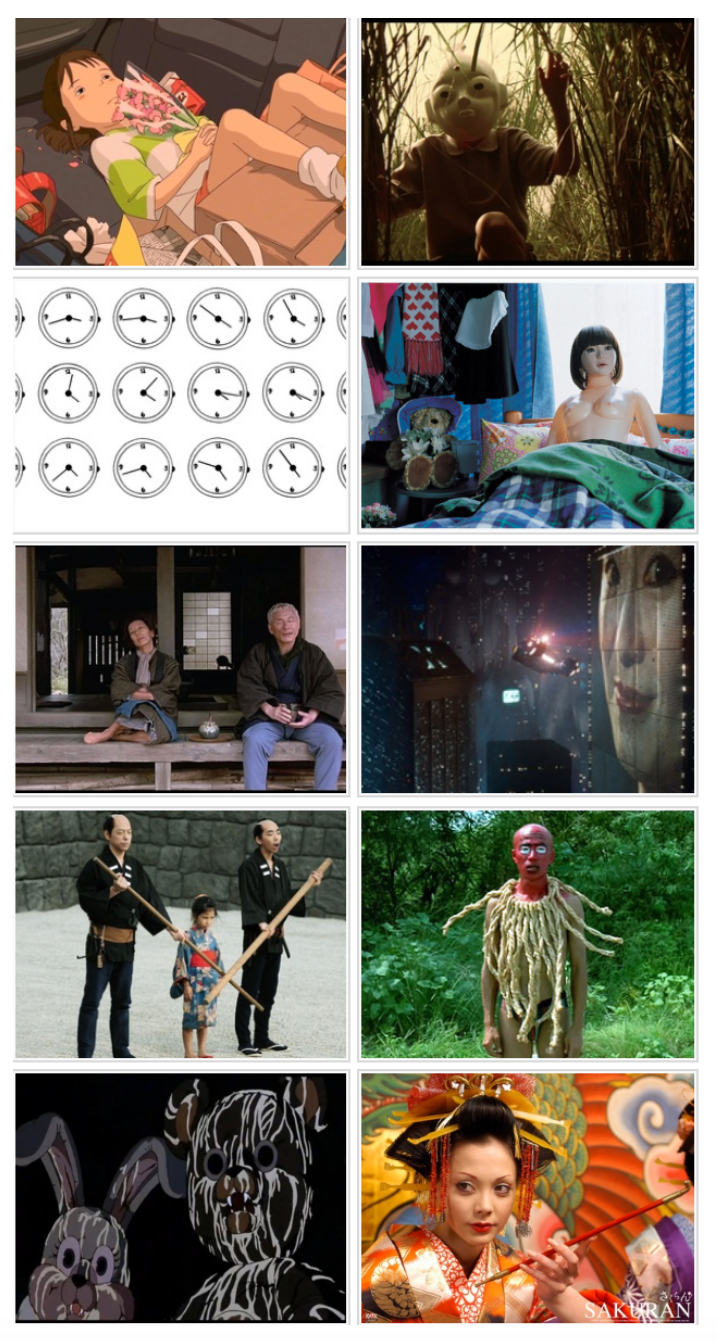
The Tale Tellers – Alice in Wonderland by Vishwa Shroff
Interviewer: Jin-man Pei
Editor: Yipei Lee
Special thanks: Charlie Levine, TROVE, SqW:Lab, and Institute of Curiosity & Curating
Photo credit: Charlie Levine, Gareth Gardner, Daniel Salisbury
From Coffee to Curating: A Day with a Curator is a series of dialogues with curators who are deeply engaged in the art of curation, knowledge exchange, and cultural storytelling. Through this column, we’re pulling curators out from behind the scenes and into the spotlight. In these fun, candid interviews, we invite you into their world—from early morning coffee rituals to late-night brainstorming sessions. Discover the sparks of inspiration, unexpected creative turns, and everyday hustle that shape the exhibitions we see and feel. It’s about the people behind the practice, and the passions that keep them going.
 細着藝術 SUAVEART