What is the island for you?
你認為島嶼是什麼?
If islands had consciousness, how should they communicate with each other?
倘若島嶼有知,它們之間應該透過什麼形式溝通?
How would you interpret the concept behind this form?
你會如何解讀這個形式的背後概念系統?
Phyllis Zhang|張心茗
From a physical perspective, islands to me are the edges of a wonderland. They exist independently from the mainland, allowing you to witness both the ocean and the forest coexisting. They represent a way of life beyond the land. When thinking of islands, the first artwork that comes to mind is No Sunrise No Sunset by Thai artist Kamin Lertchaiprasert. Created for the inaugural Thailand Art Biennale, this giant rectangular mirror installation is located in Krabi province, a region made up of 80 islands. The artist said that this work could be installed anywhere because “the sun does not move, but the world spins on its own.”
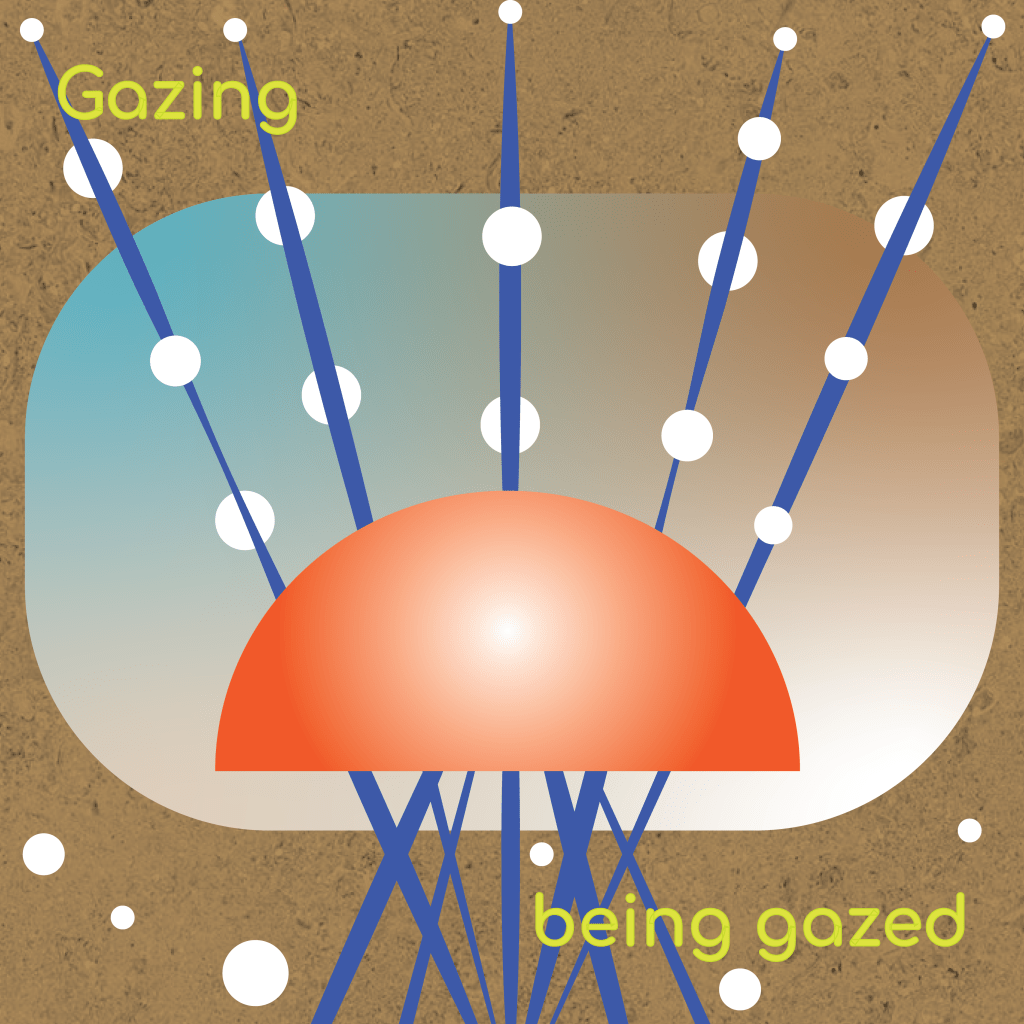
At the same time, within the installation, the artist imagines a love story of a lover who set sail and never returned. At one end of the cave is a fiberglass figure of an elderly woman, facing the sea, waiting for her lover’s return. Although the story uses the familiar “waiting for love” narrative, it made me reflect on the deeper, more profound connections between islands and humans. Islands have always carried the themes of long voyages and the search for self. In this work, the island creates an awareness of timeless moments and a state of non-attachment to the self. It reflects the connection between gazing and being gazed upon, the link between you and me.
From a conceptual perspective, terms related to islands—such as drifting and ocean currents—make me think of the transnational movement of people and its impact on urban environments, constructing and deconstructing spaces. It explores the idea of continuously moving between islands, establishing new trajectories while maintaining connections. Words like exchange and sailing make me think of using the body as a vessel, traveling back and forth between islands, expressing one’s cultural ideals, self-perception, and social status. The land and the forest can symbolize the bond between humans and the natural environment, while also questioning and reflecting on certain attitudes toward life. The unique materials of boats and islands can connect to shipbuilding art and the preservation of traditional techniques. Every real-world event related to islands can serve as a starting point for a conceptual system, constructing new discourses and ways of thinking through anthropological observation and measurement.
If islands had knowledge, firstly, I believe they would interact through natural perception: the ocean and the wind, and the soil and plants are the mediums through which they communicate. This is the language of nature itself. The waves, wind, and tides are the most direct forms of communication between islands, subtly influencing all living creatures on those islands.
Secondly, the memory of an island can also serve as a form of communication. Each island has its own unique historical address. The rocks, soil, and sediments of an island can be seen as a kind of memory, carrying information about past earthquakes, tsunamis, climate changes, and more. These geological records form a silent “communication” between islands. Interestingly, when a volcanic eruption occurs on one island, its ash may be carried by the wind to other islands, while plants and animals might migrate to another island, creating a dialogue between them.
Thirdly, the ecosystems of islands have a certain self-healing capacity. For example, coral reefs can naturally recover over time, while forests respond to climate change through natural regeneration processes. These responses are not driven by humans, but by the elements of nature in dialogue, reflecting the way islands communicate as they adapt to external changes.
物理角度來說,島嶼對於我而言,是仙境的邊緣,因為它獨立於陸地而存在,你能夠看到海洋和森林的同時存在,它代表了一種陸地以外的生活型態。說起島嶼,我第一個想起的藝術作品是來自泰國藝術家 Kamin Lertchaiprasert 的 “No Sunrise No Sunset”,作為首屆泰國藝術雙年展打造的展館裝置,這個巨型的長方體鏡子座落在泰國 Krabi province,那裡由大小80個島嶼組成,藝術家稱這件作品可以安裝在任何地方因為 “太陽不動,但世界在自己旋轉。“
同時,這件作品洞穴內,藝術家展開了愛人出海未歸的愛情故事想像,因此在洞穴的一端是一個玻璃纖維人物,一位年邁的女士面對大海等待愛人的歸來。儘管這件作品的故事運用了我們熟知的「愛情等待敘事」,但也讓我思考島嶼於人之後更多更深層次的關聯,因為島嶼一直協帶著遠航和尋找自我的母題,因此在這件作品中島嶼創造了對永恆時刻和非自我執著狀態的意識,凝視與被凝視的,你和我之間的聯繫。
而從概念系統出發,與島嶼相關的詞彙:漂流、洋流,讓我聯想到跨國人口流動對城市環境對建構和解構,探討似在島嶼之間不斷穿梭,建立新軌跡同時保持相互之間的聯繫。而詞彙類似:交流、出海,使我想到將身體作為載體,在島嶼之間往返,表達自身的文化理想、自我認知和社會地位。而土地與森林,則可引出人與自然環境的聯結,同時表達對某種生活態度對質疑與思考。船隻、島嶼的特殊材料可以關聯造船藝術和傳統技術的傳承。與島嶼有關的每個現實事件都可以作為概念系統的源頭,透過人類學的觀察和測量,建構新的話語和新的思考。
倘若島嶼有知,其一,我相信它們會通過自然的感知產生互動:海洋與風和土壤與植物都是它們溝通的媒介。這是自然本身的語言,海浪、風、潮汐是島嶼之間最直接的語言,它們在無形中影響生活在那片島嶼上的所有生物。其二,島嶼的記憶也可以作為溝通的一種,每個島嶼都有它獨特的地址歷史,島嶼的岩石、土壤和沉積物可以看作是一種記憶,它們承載力過去的地震、海嘯、氣候變遷等信息。這些地質活動紀錄構成了島嶼間無聲的“溝通”,有趣的是,當一座島嶼經歷火山爆發時,它的灰燼可能被風帶到其他島嶼,同時動植物可能遷徙到另一座島嶼,從而形成一種島嶼之間的對話。其三,島嶼的生態系統具有一定的自我修復能力,例如珊瑚礁能夠在一段時間自行恢復,而森林則通過自然再生過程來回應氣候變化。這些反應並非人類主導的,而是自然界的元素在對話,反映出島嶼在應對外界變化時的溝通。
 細着藝術 SUAVEART