“These rituals – crafts, patterns, stories, quilts – root us in time in a beyond-human sense, much larger and further-reaching than an individual lifespan. The process of making a home is bodily, and also bodied.”
– Rosie Brand, The Pace of a Stitch, AYFP (Issue 2), 2024, 19.
Patchwork felt like a natural response to my experience in Schubertstrasse. It is a technique that echoes the fluidity and multiplicity of diasporic identities, both in its form – adaptable and born of thriftiness and creative reuse – and in the way it has been passed down through generations and across cultural traditions. For instance, Stuart Hall describes diasporic cultural identity as not ‘being’ but ‘becoming‘, and Philip A. Kuhn writes of departure as connection not separation, two concepts that are embodied in the act of patchworking itself. Through stitch, you are building a whole out of parts, bringing them together in dialogue with one another, and creating something new out of something old, often with the intention that it can in turn be repaired and reinterpreted in the future.
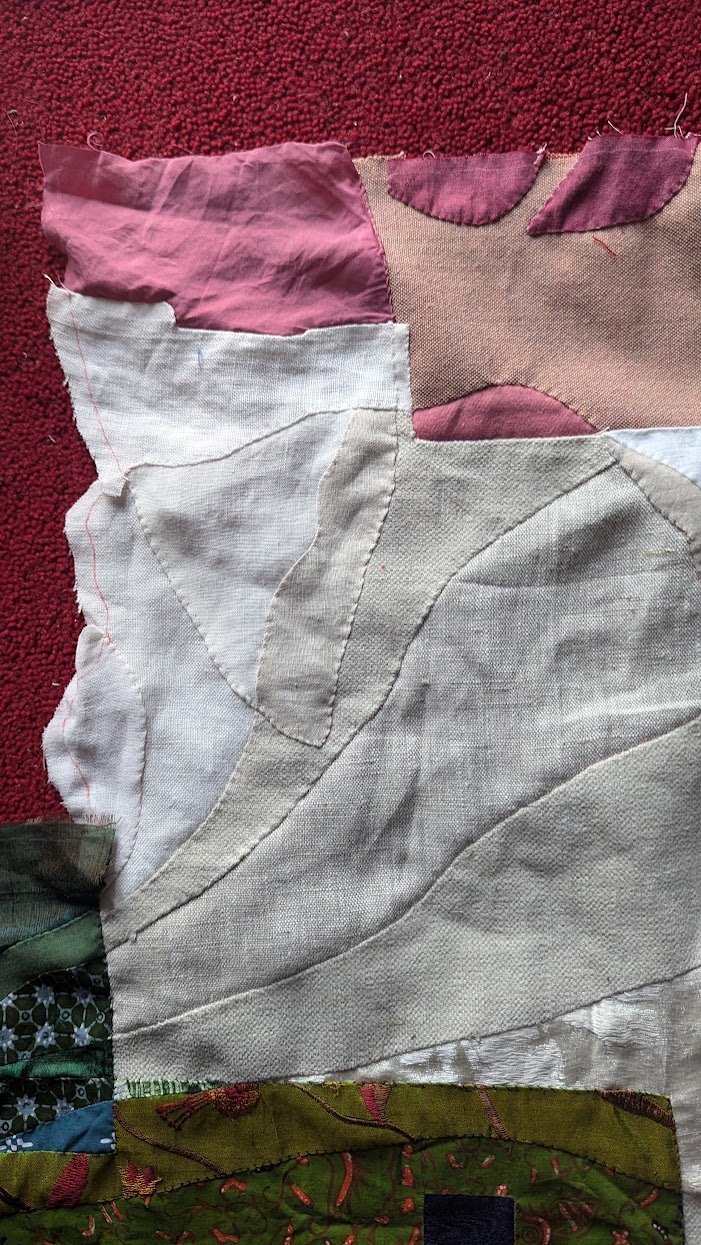
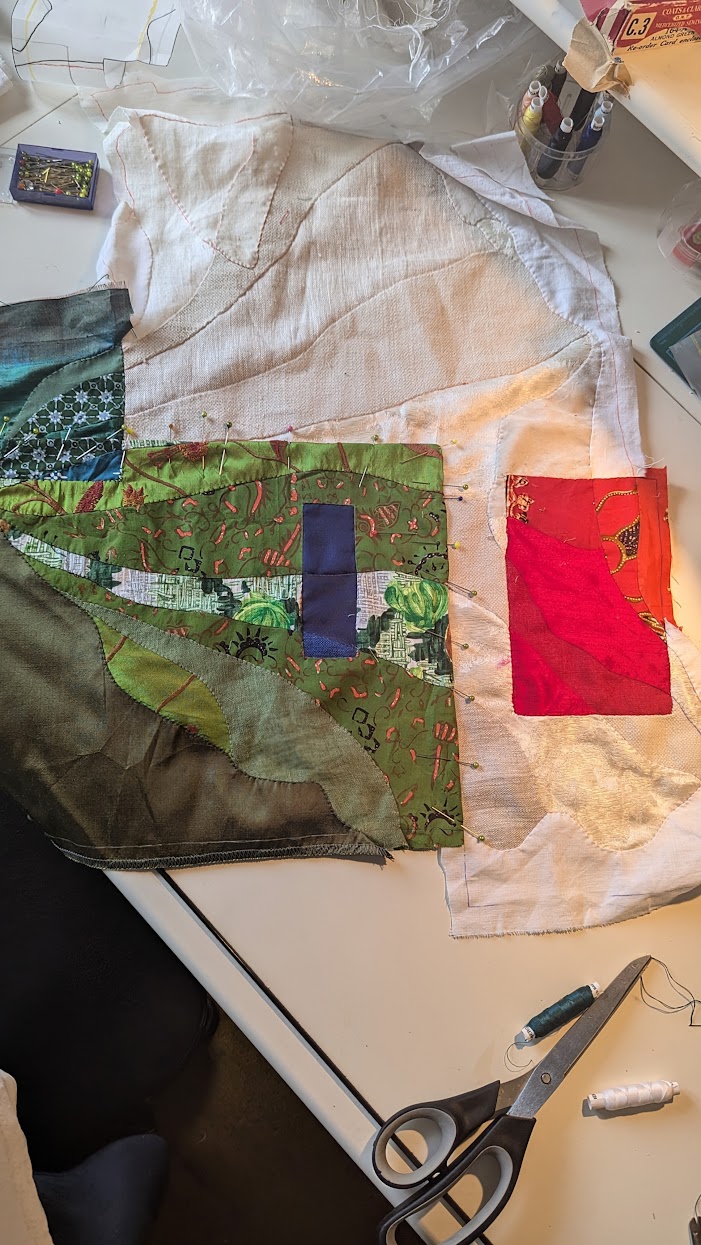
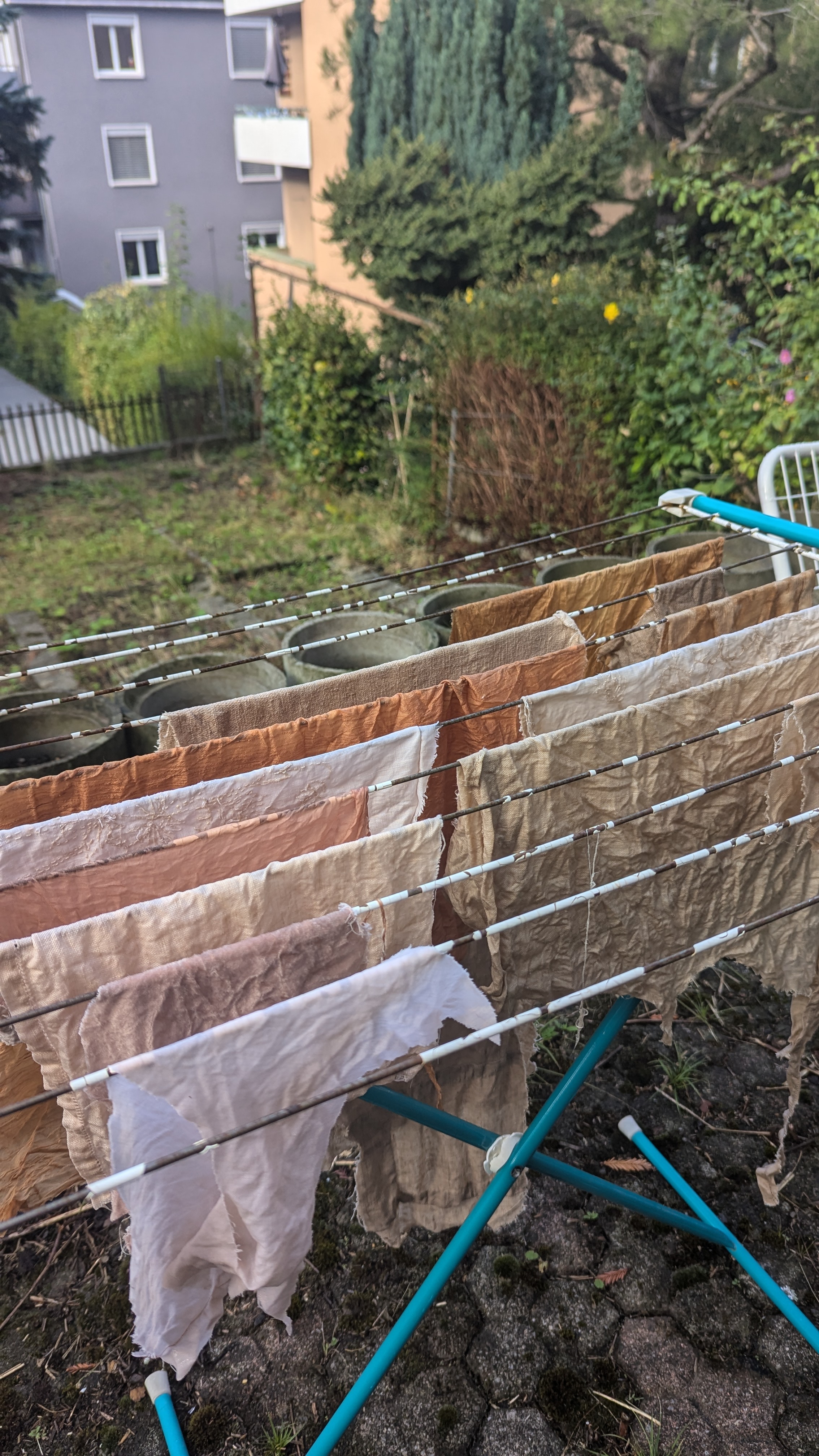
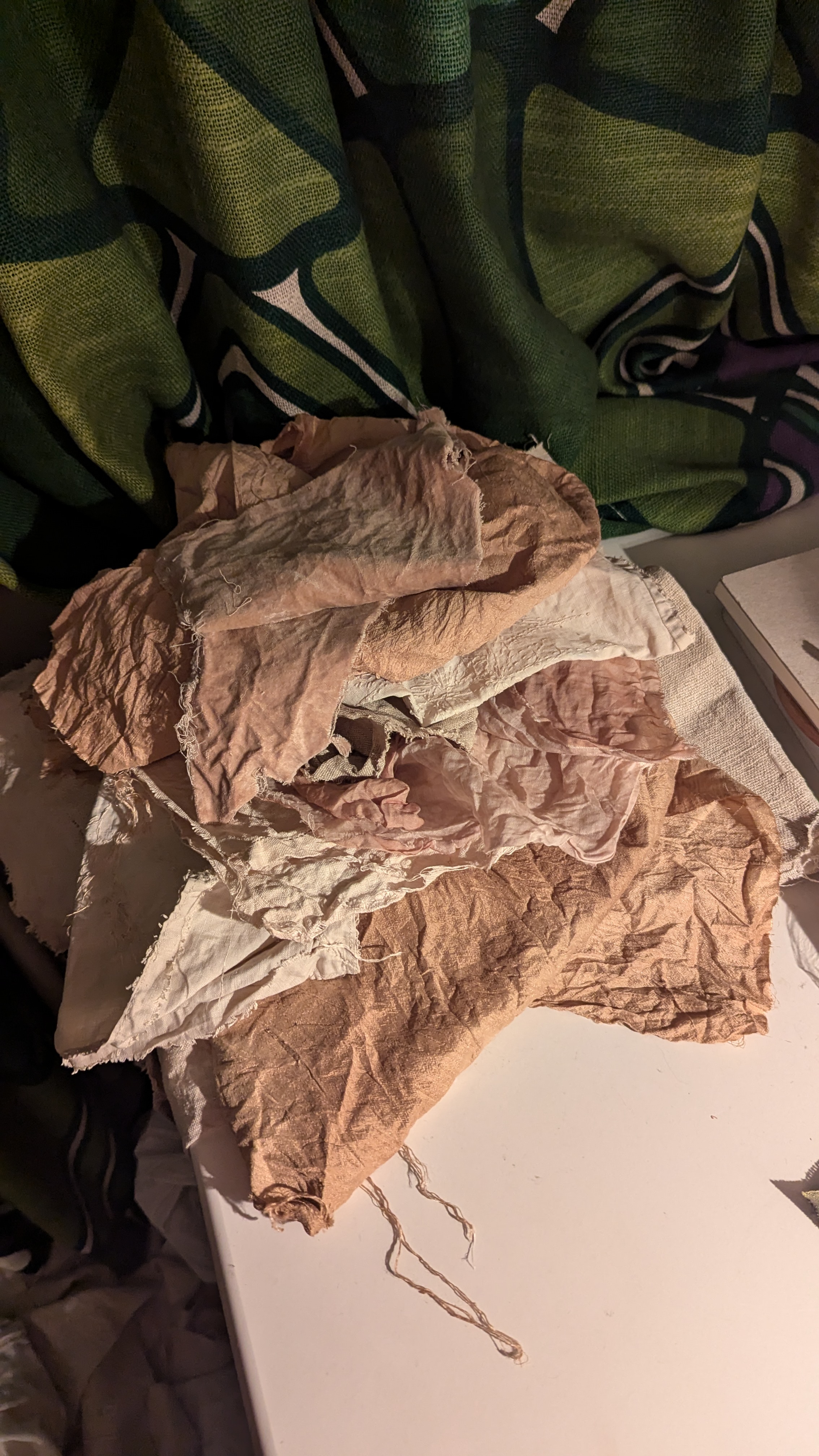
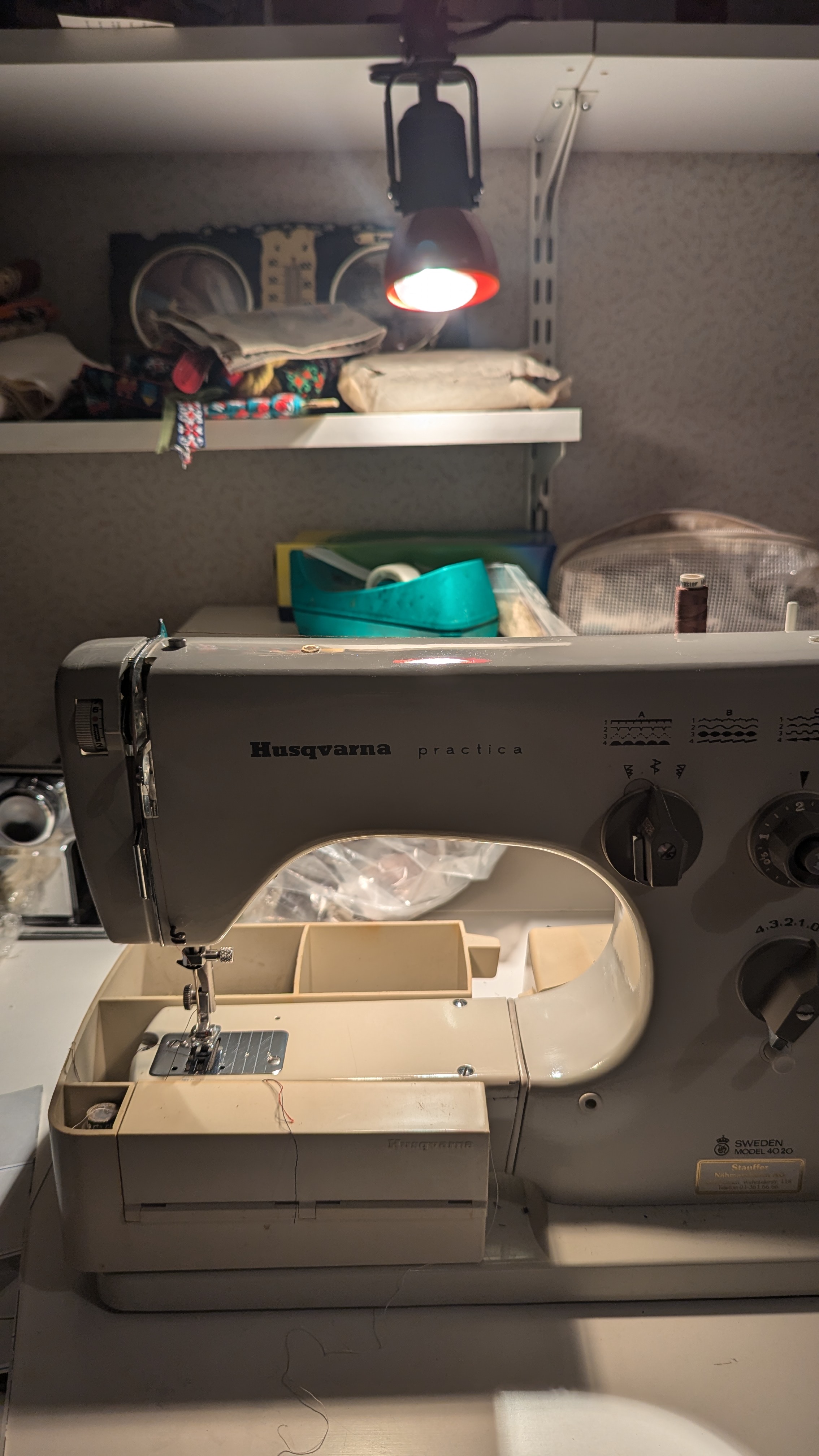
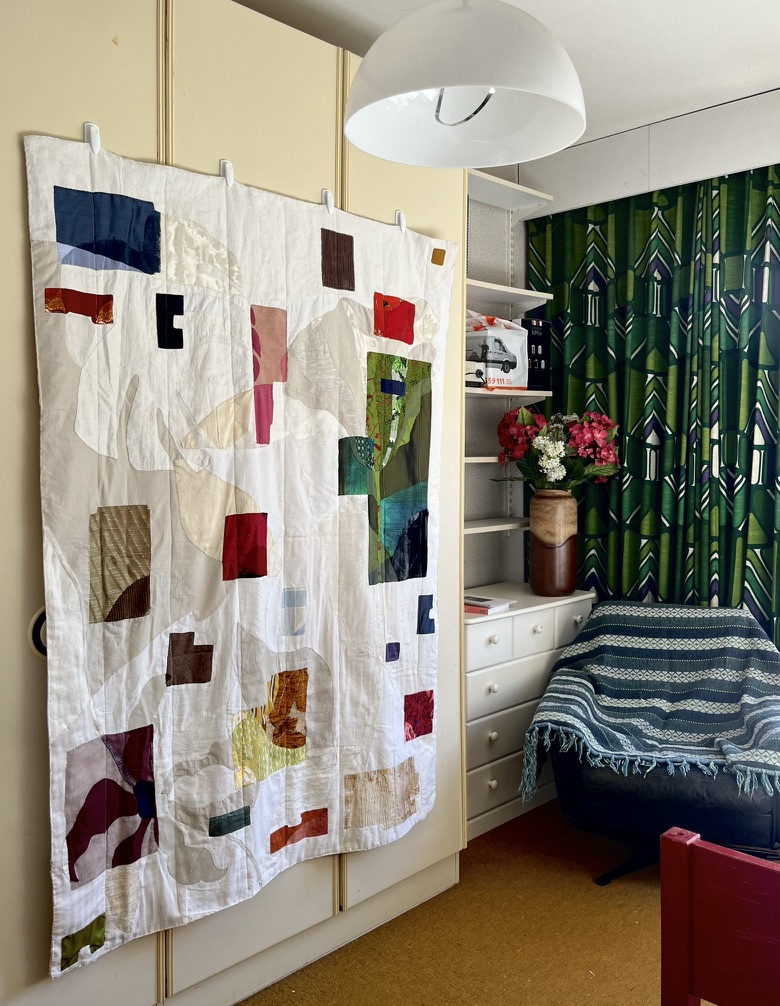
The quilt that I made during the residency, Kinship, and the accompanying zine (which illustrated some of the processes and reflections on my time in Schubertstrasse) used fabrics found in the house, from scraps of batik to offcuts from clothing and furnishings. Silk and linen are prominent, referencing Zurich’s textile production history, and the cross-cultural exchange apparent in shaping the international textiles trade and, in turn, the city’s industrial landscape. Hand-dyed fabrics and accompanying tetrapak prints also use materials discarded through the course of the residency (milk cartons, teabags, and avocado pits) tracing our time spent here, and the collective activities of making pots of tea, cooking, and eating, which sustained us and formed the backdrop to our discussions.
The patterns spanning across the front panel of the quilt recall plants I encountered- in the house, garden, family photos, Herianto’s drawings, batik fabrics, architectural plans, and lines from Herianto’s blueprints. In particular, visiting the botanic gardens, I explored the plants native to East and South-East Asia that were documented, transported, and cultivated by European missionaries and colonisers, and how the garden city movement influenced Herianto’s work as a city planner and architect, shaping nurturing and thoughtful private and community spaces developing from this tradition that connected humans with their natural environment. Going through Els’ batik collection with Linda, as well, largely collected and passed down from her mother’s batik shop and production in Jakarta, it is clear how significant this traditional craft is, and the significance of flora and fauna in shaping Indonesian identity through symbolic meanings.
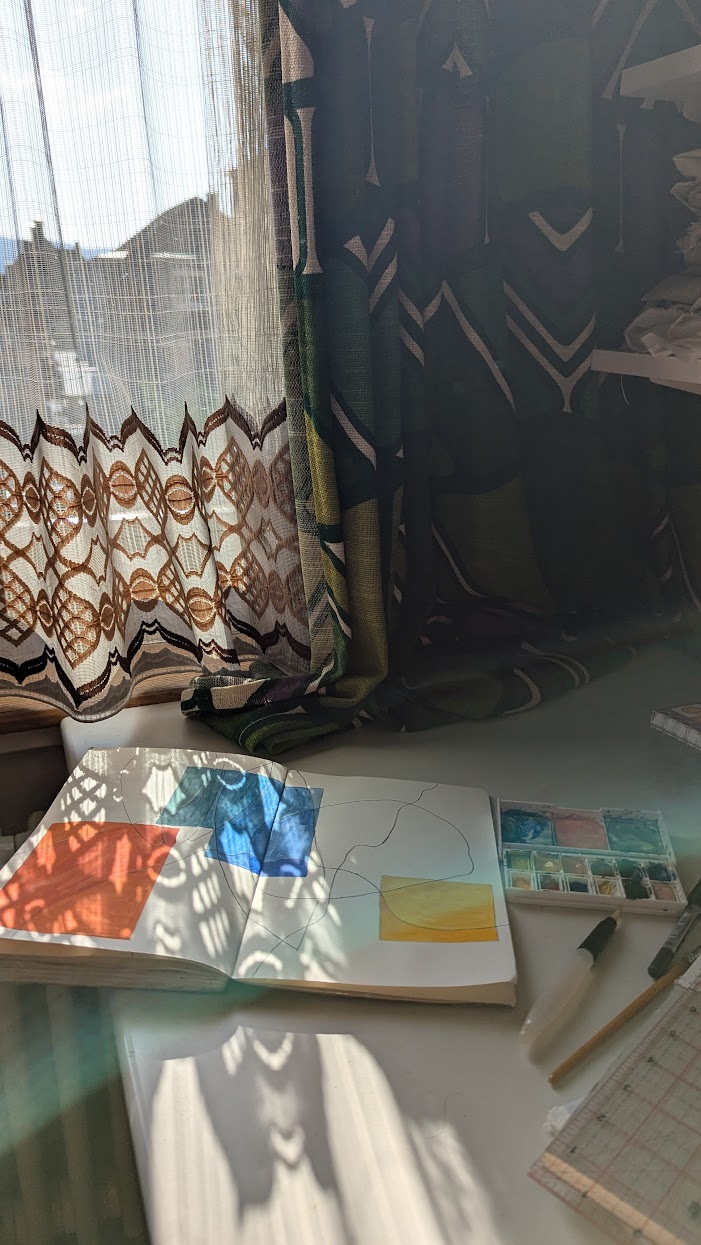
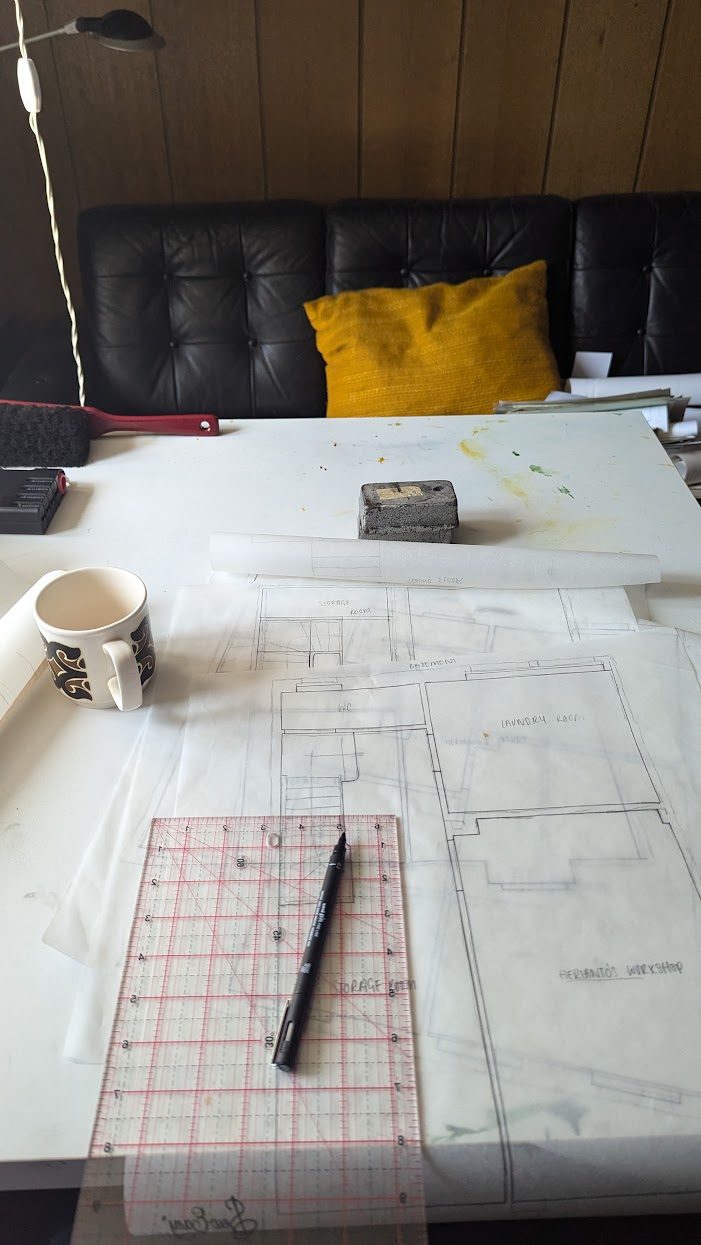
Colorful blocks echo the spaces of the house, drawn from Herianto’s sketches made during his renovations of the Schubertstrasse home, and the original plans for the house which he used in this process. These nod to the very structure of the building, capturing Schubertstrasse as it is today as a vessel for memories and experiences of past, present, and future inhabitants.In this way, not only is this body of work an investigation into a fluid understanding of cultural identity, exploring this family’s experiences of migration and diasporic cultural heritage, but also an alternative approach to archiving the family’s life in Schubertstrasse. Alongside the work of the SUAVEART team to catalogue and digitize Herianto’s work, this piece becomes a changeable, subjective living archive (intended to be used and felt) that acts, in the words of Chateigné and Miessen, “not as something static, a container of knowledge, but a set of materials that would talk to one another and could constantly be re-animated and put into the parallel conversation to produce new meaning and relationships.”
Experience of Living in the Room and Schubertstrasse
This residency was my first time being in Zurich, and it was incredible to be able to explore the city, its history, and communities, almost as if through the eyes of the Sulindro – looking for hints of Herianto’s work in the shapes of the streets, going to local Asian restaurants together, and being immersed in the environment of their house. It is easy to see why they chose to call it their home for so long – as Yipei expresses in the publication Working In Progress, the city seems to, in some ways, nurture and sustain those who inhabit it.
Staying in Schubertstrasse, I was also deeply moved by the openness and generosity with which stories and space were shared with us as artists there. Even though the Sulindro no longer live in the house, it feels as though the building has become a vessel for their memories, as well as of those who visit today, and those who might occupy these rooms in the future. There is a real sense of timelessness there, and something so warming in the feelings of love, belonging, community and permanence manifested in the home.
I was particularly moved by the story of Linda’s childhood, told through conversations over cups of tea and shared meals, and traced through photographs, her workbooks, and drawings, so carefully kept. Communicating through scribbled notes, typed-out messages, and my rusty German language skills, we discussed how her sense of belonging with her Chinese and Indonesian heritage was passed down by her parents and manifested in the house in Schubertstrasse. With my own background, growing up as half-Chinese and a quarter-German in Britain, I really related to many of her experiences, knowing it is not always easy to grow up away from your family’s homeland, so far from the memories and culture that ground that sense of identity, and with stories that go untold – perhaps from pain or grief, or lack of written documentation.
It is such a beautiful thing to know where you are from and have such a connection to your ancestors, as Linda has, and hopefully I captured some of this sense of kinship and warmth in the work I created.
Text by Caroline Ip
Photo Courtesy of Artist and SUAVEART
 細着藝術 SUAVEART