What is the island for you?
你認為島嶼是什麼?
If islands had consciousness, how should they communicate with each other?
倘若島嶼有知,它們之間應該透過什麼形式溝通?
How would you interpret the concept behind this form?
你會如何解讀這個形式的背後概念系統?
Sharo Chi-Chu Liang|梁棨筑
The island is a geographical concept that does not distinguish between national boundaries, and in the context of history, it is a staging ground for drifters. Under political manipulation, it is an excellent strategic location for guerrilla warfare, but for a government with a central concept, the island is also a powder magazine loaded with ethnic and cultural fires.
In the collective imagination, the island is seen in tourism advertisements as a rich cultural landscape sheltered by tropical rainforests and oceans. If asked to anthropologists, they might see the routes of past maritime trade, and if given to geographers, they might explain the shaping of undersea volcanoes. Although a discussion on the political and social levels would produce a very rich discourse, for me the original concept of an island is a piece of land surrounded by the sea. It is a piece of land cut by the sea, seemingly isolated but on the contrary creating a very complex and alternative way of communication with other areas.
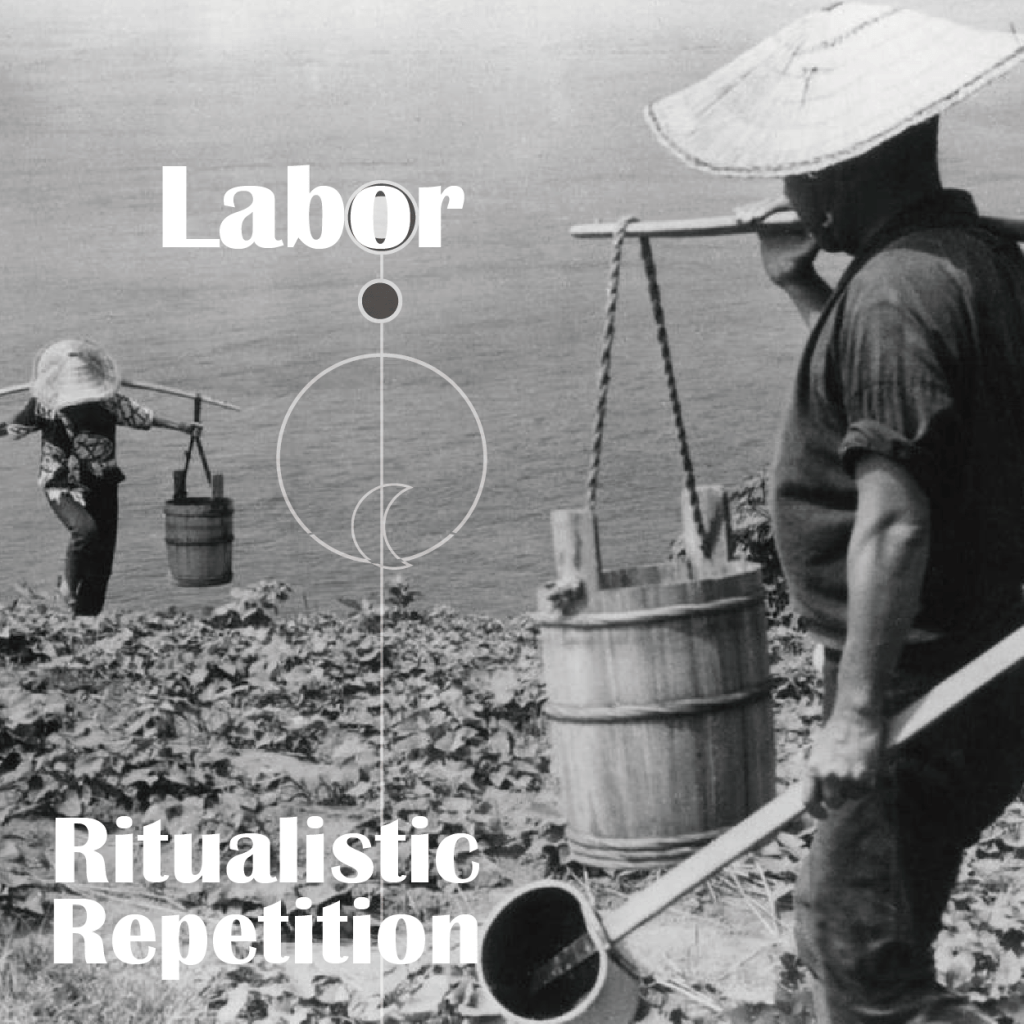
I think that the film “Naked Island” reflects the concept of the island very well. Produced by Kaneto Shindo, this black-and-white film without dialogue captures a family living on a small island close to Japan. The film does not have a lot of emotion, but keeps capturing their hard and repetitive day-to-day labor as they row to the neighboring town to bring water to irrigate their crops because there is no water. The poetic nature of the picture strongly projects the geographical characteristics of the island, and what I saw was that the director did not emphasize people in this film, but rather used people in the process of labor to reflect the basic concept of “island”. There is no mystery, no emphasis on cultural specificity, just the ritualistic repetition of watering and irrigation and the daily life of the family.
島嶼是不分國家邊界的地理概念,在歷史的脈絡下,它是漂離者的集散地。在政治的操作之下,他是一個極好打游擊戰的戰略位置,但對擁有中心概念的政府而言,島嶼同時也是裝載著種族和文化的火苗的火藥庫。
在集體的想像下,從觀光推銷的廣告上可以看到,島嶼是受到熱帶雨林和海洋庇護而富饒的文化景觀區。如果把這個問題去問人類學者,他們可能會看到過去海洋貿易的路線,如果拿給地理學家,他們可能會解釋海底火山的形塑。雖然從政治以及社會層面上來做討論,會產生十分豐富的論述,但對我而言島嶼最初的概念就是被海環繞的土地。是一塊被海洋切割,看似被孤立但相反的卻創造了與其他地區十分複雜和另類的交流方式。
我覺得《裸之島》這部片十分能夠反映出島嶼的概念。這一部由新藤兼人製作,沒有對白的黑白電影,拍攝一對家庭在一座相近日本的小島上生活。這部電影沒有很多情緒,一直拍攝他們辛苦重複日復一日的勞動,因為沒有水而划船去鄰近的鎮上提水給作物灌溉。它畫面的詩意性,很強烈的投射出「島」的地理特質,讓我看到的是導演在拍這部戲並沒有在強調人反而是用人在勞動的過程中,反映出「島」的基本概念。沒有神秘色彩,沒有強調文化的特殊性,只不過是不斷重複儀式性地澆水灌溉以及一家日常的生活。
 細着藝術 SUAVEART