[ work & story sharing _ from Hsin-Chieh Hung ]
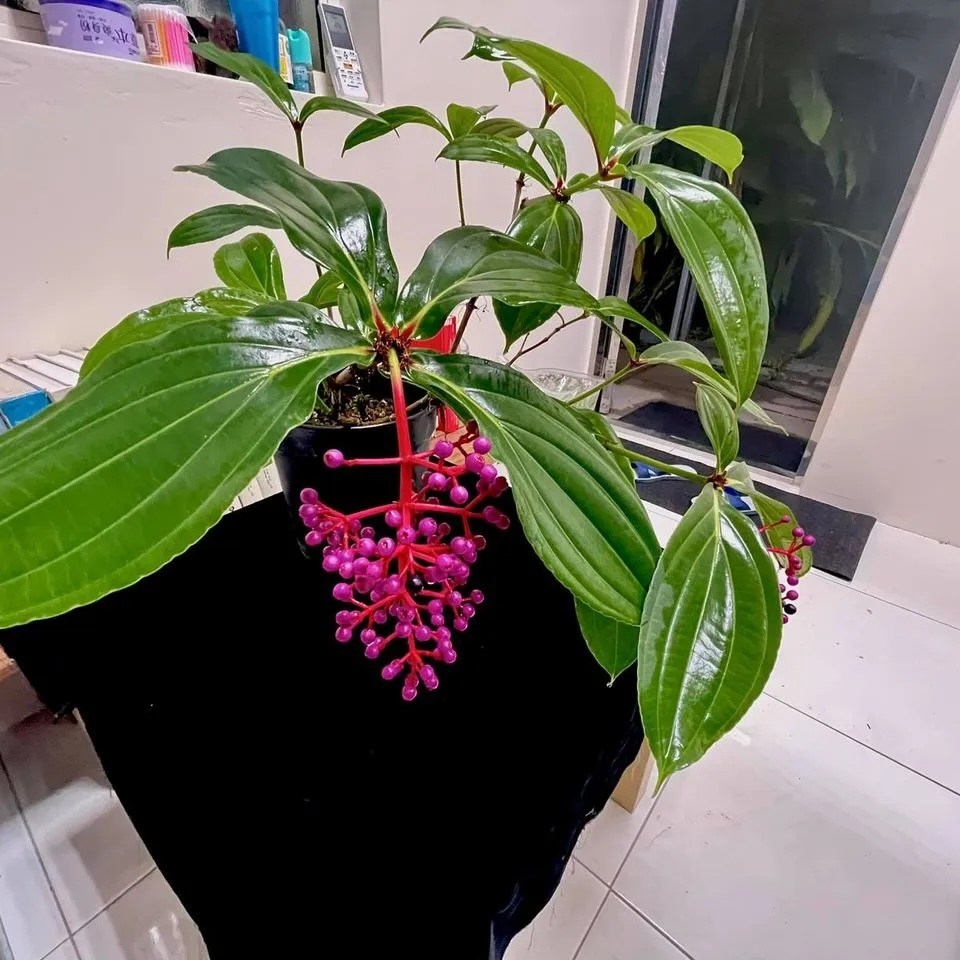
Central Taiwan is the most developed market for horticultural florists. As a central Taiwan native and a fan of tropical rainforest plants, I am no stranger to Formosan medinilla/Taiwan medinilla, which is one of the few native species in Taiwan with great ornamental value and popular in the horticultural market.

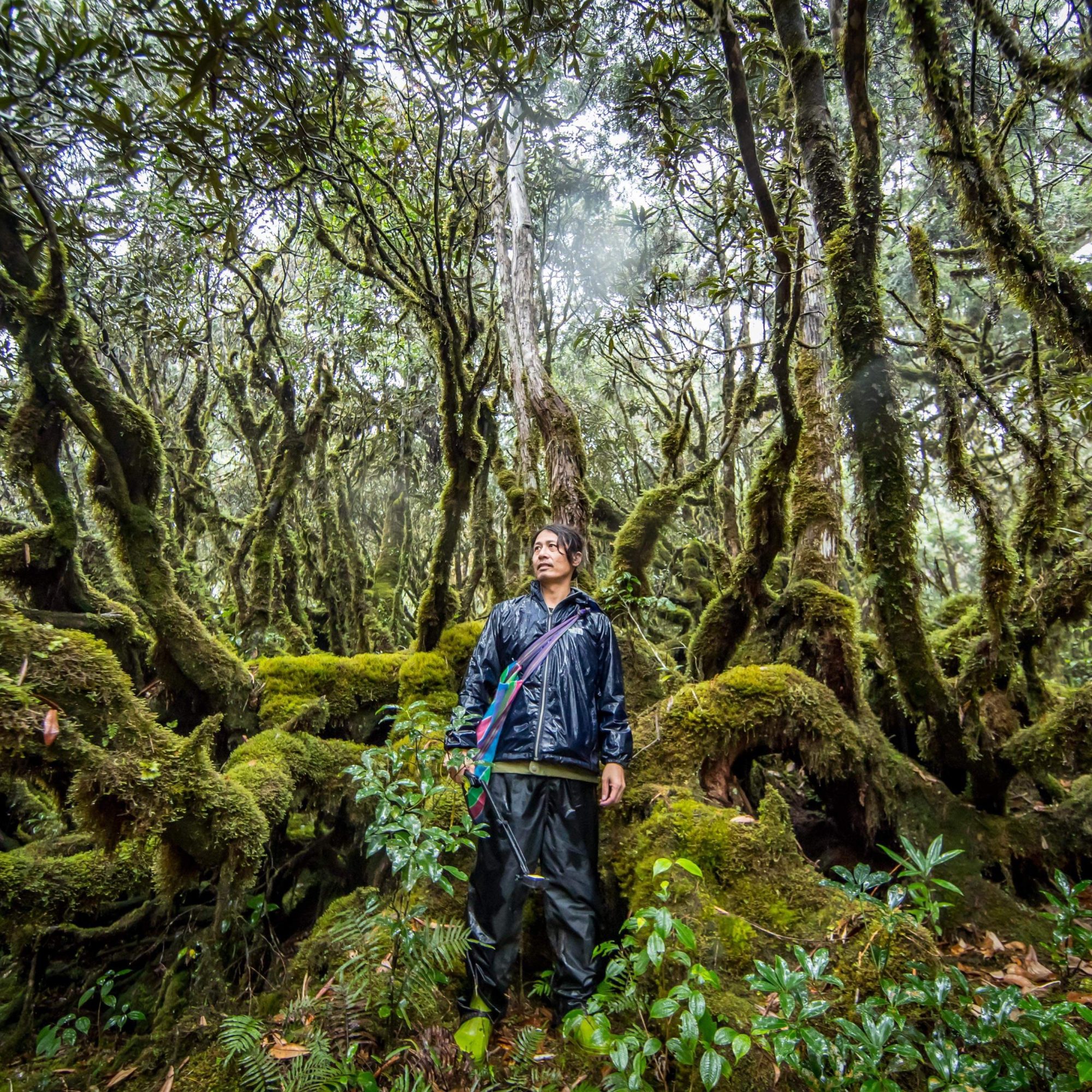
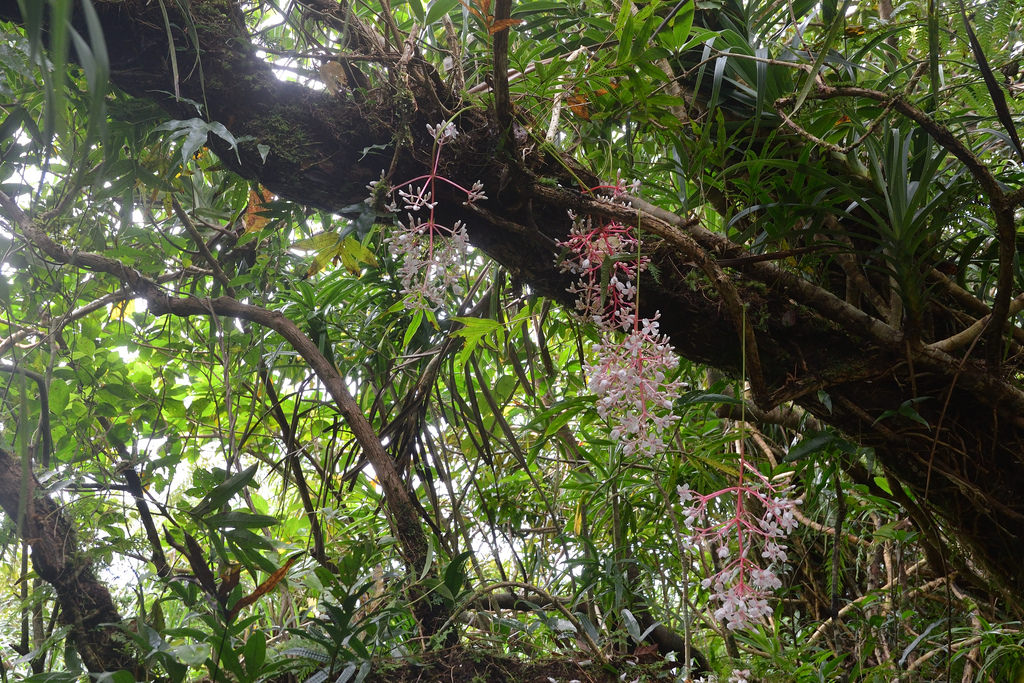
When I was in my twenties I bought a medinilla plant form a florist and planted it at home. Then, one day in the summer of 2004, I went on an expedition to the Hengchun Peninsula to collect plants in the virgin forests of Laofo Mountain. There, each tree has become a community, co-existing with other plants, insects, and numerous other animals that grow and live on and in them. The higher the altitude, the richer the diversity becomes. Naturally, the most spectacular and eye-catching plant in bloom was the Taiwan medinilla.
It was the first time in my life that I saw a wild Taiwan medinilla. I was so moved that I couldn’t help but exclaim in my heart, “The natural ones are really the most beautiful.”
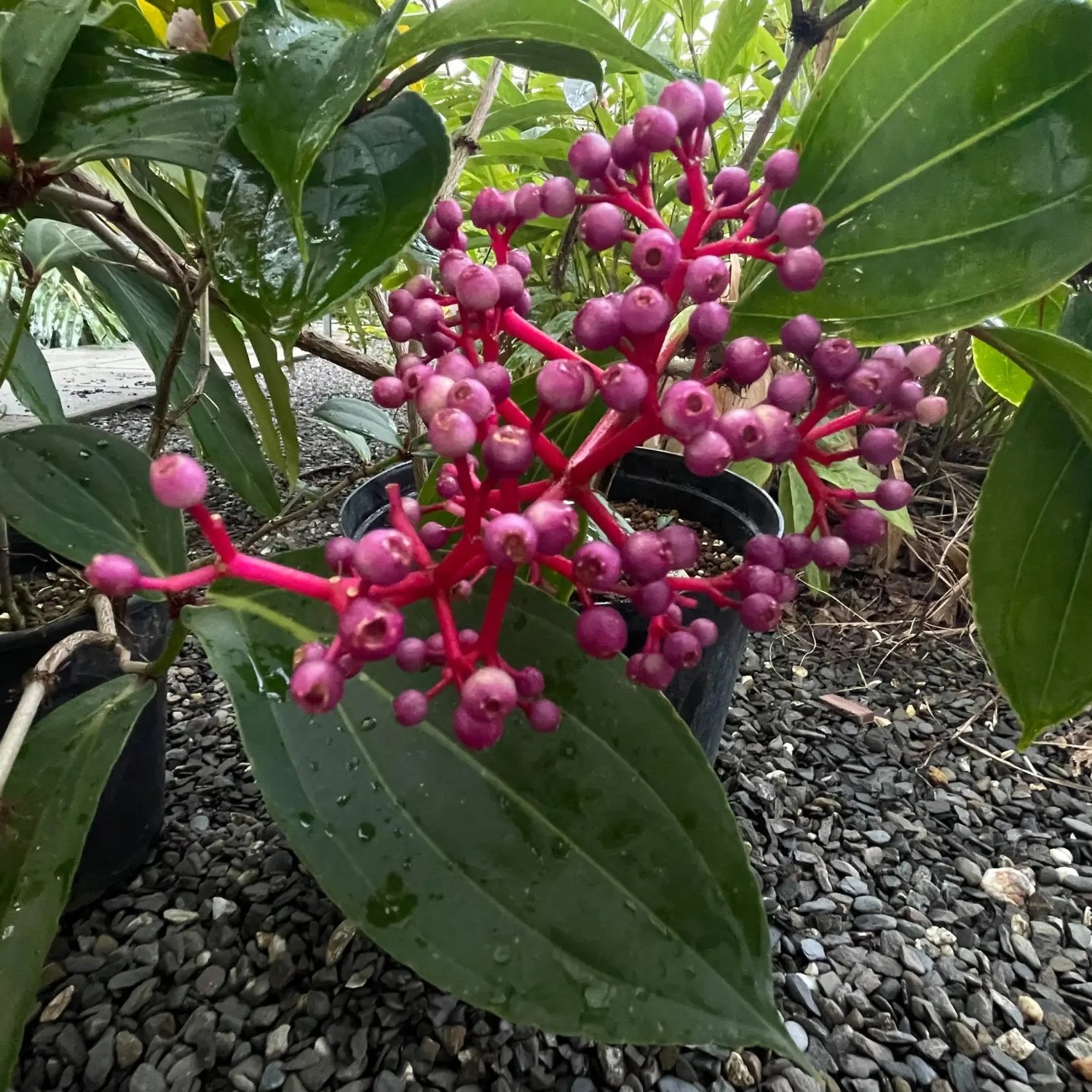
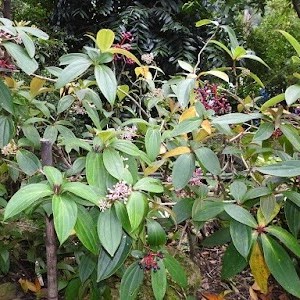
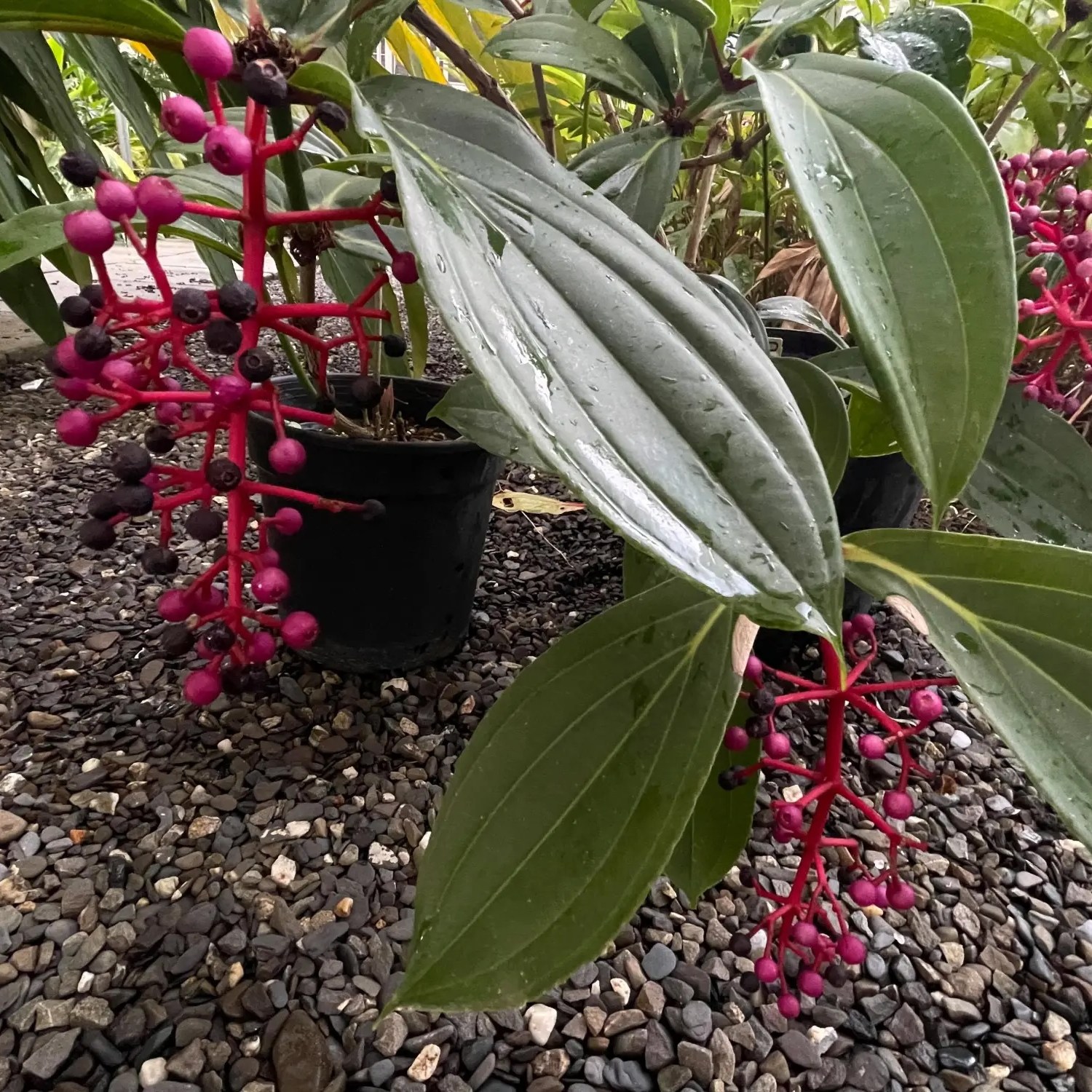
According botanical descriptions, the wild Taiwan medinilla is an evergreen scandent/trailing shrub-like plant. The key words “vine” and “scandent” suggest that this plant grows on the ground and climbs up a tree, yet the potted plants in the flower market looked lush and thick, unlike a climbing vine. The problem, I realized later, is that the plants sold horticulturally are not a single plant but are actually a cluster of multiple cuttings growing together in one pot. Finding Taiwan medinilla growing in its native home on the slopes of Laofo Mountain, I saw that it grows on other plants more like a shrub attached to a large tree. The leaves are ovate-lanceolate shaped, shiny and smooth, and are arranged oppositely or in whorls. The bright red cymes form cone-shaped inflorescences extending from the ends of the branches. The flowers consist of four white to pink-white ovate petals surrounding purple pseudostamens. The fruit are spherical berries that are at first purple-red then turn purple-black when ripe. This beautiful and special plant is endemic to Taiwan, growing only in the Hengchun Peninsula, and is one of the most representative of tropical rainforest plants.
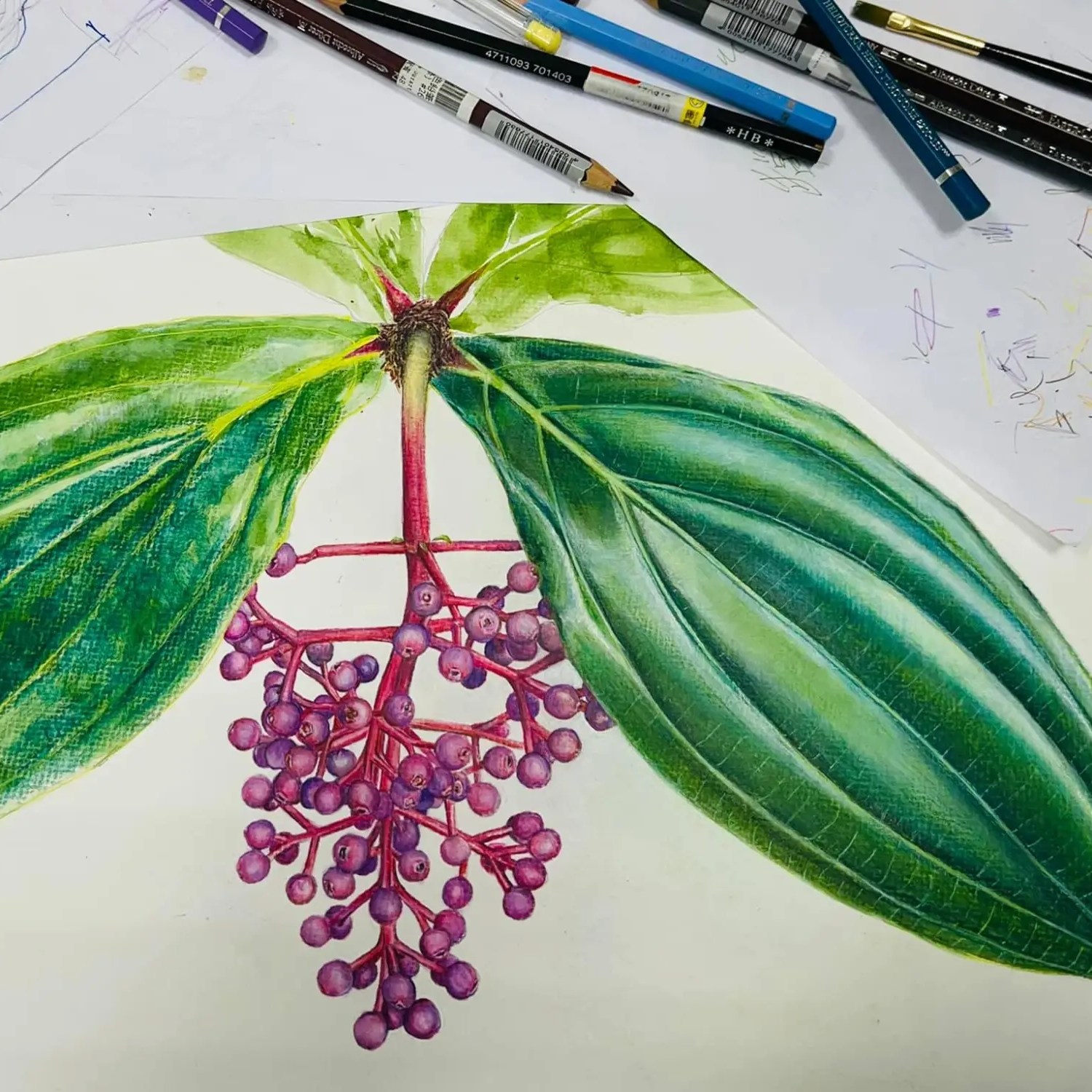
My love for Taiwan medinilla has never diminished with the passage of time, and I have produced hundreds of seedlings from cuttings and seeds. In terms of ecology, I have surveyed more than 30 sites across Taiwan medinilla’s entire range in the Hengchun Peninsula and collected at least five or six specimens. In terms of art, I have taken pictures and drawn illustrations of this beautiful plant. Beyond the art, I have risked my life by climbing high up on rock walls and within tree canopies to collect the branches and fruits.
What else can I do for the Taiwan medinilla?
English proofreading: Trevor Padgett
Drawing photos: Hsin-Chieh Hung
Photos of Formosan medinilla/Taiwan medinilla: Peter’s blog、Taiwan Plants
Reference: 熱帶森林中的稀有攀緣植物—蘭嶼野牡丹藤
 細着藝術 SUAVEART