延/伸:文化與媒材的移動關係−亞洲當代藝術群展
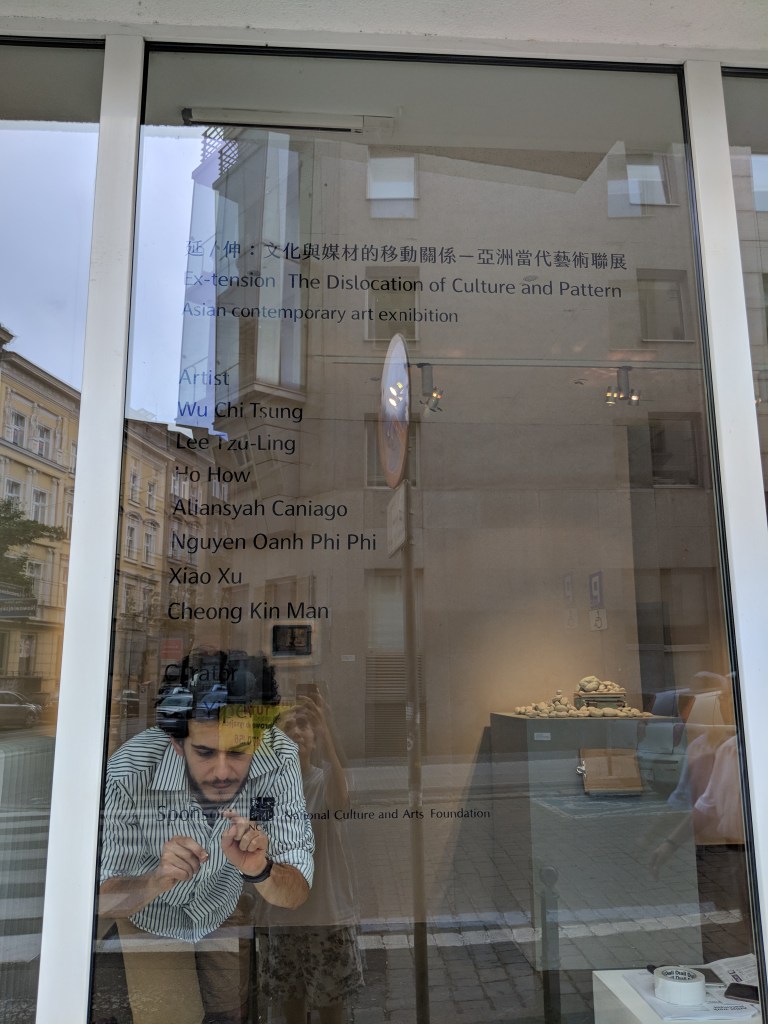
Ex-tension: The Dislocation of culture and pattern− Asian contemporary art exhibition
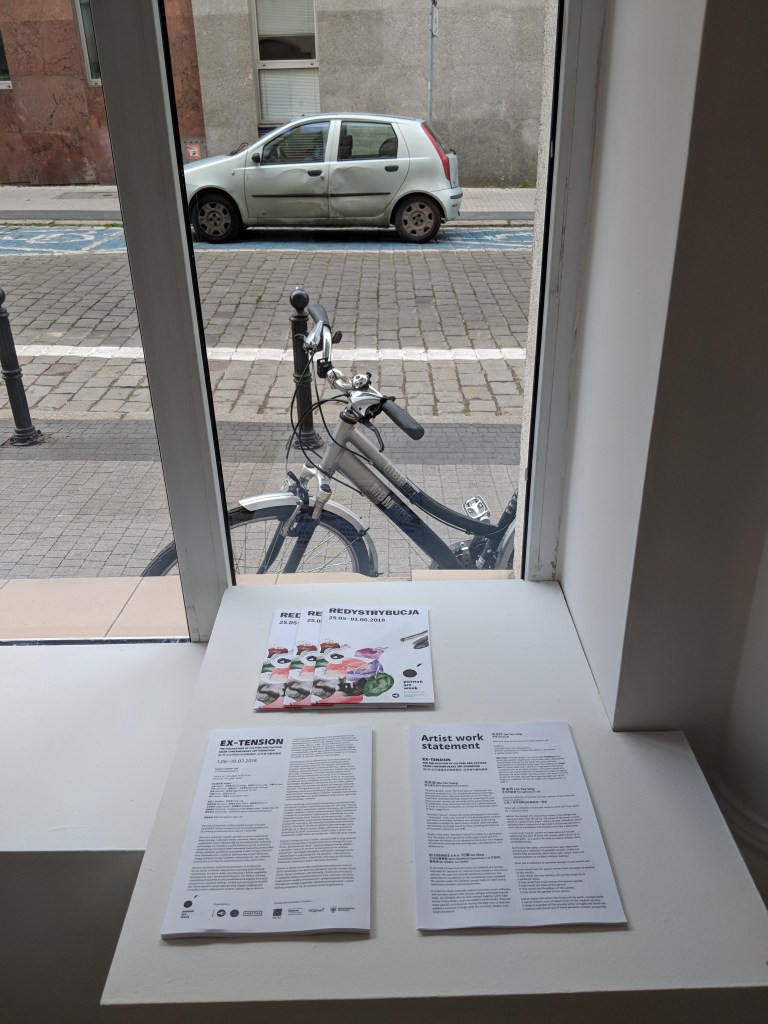
The theme of POZNAŃ ART WEEK 2018 revolves around the multidimensional concept of “REDISTRIBUTION.” This term points to various modes of “re-practice”—from the appropriation and reinterpretation of images, symbols, and cultural patterns, to deeper reflections on the social and political forces shaping culture itself. Invited as part of the program, this exhibition initiates a dialogue between culture and art, examining how text, image, and form circulate within society and influence its structure. Within this framework, each artistic intervention becomes a vital gesture of visibility on the Poznań art scene.
Curatorial Concept:
Titled Ex-tension: The Dislocation of Culture and Pattern – Asian Contemporary Art Exhibition, this project examines how Asian artists reflect on the relationship between culture, media, and sensory perception. It looks at how familiar materials—ink, lacquer, paper—are reimagined to challenge traditional aesthetics and narrative structures. These practices interrogate the interplay of form and concept, blurring the lines between innovation and inheritance. Through transformative media experiments, the artists explore how cultural memory can be re-inscribed into the present, asking: How can tradition be a lens, not a limit?
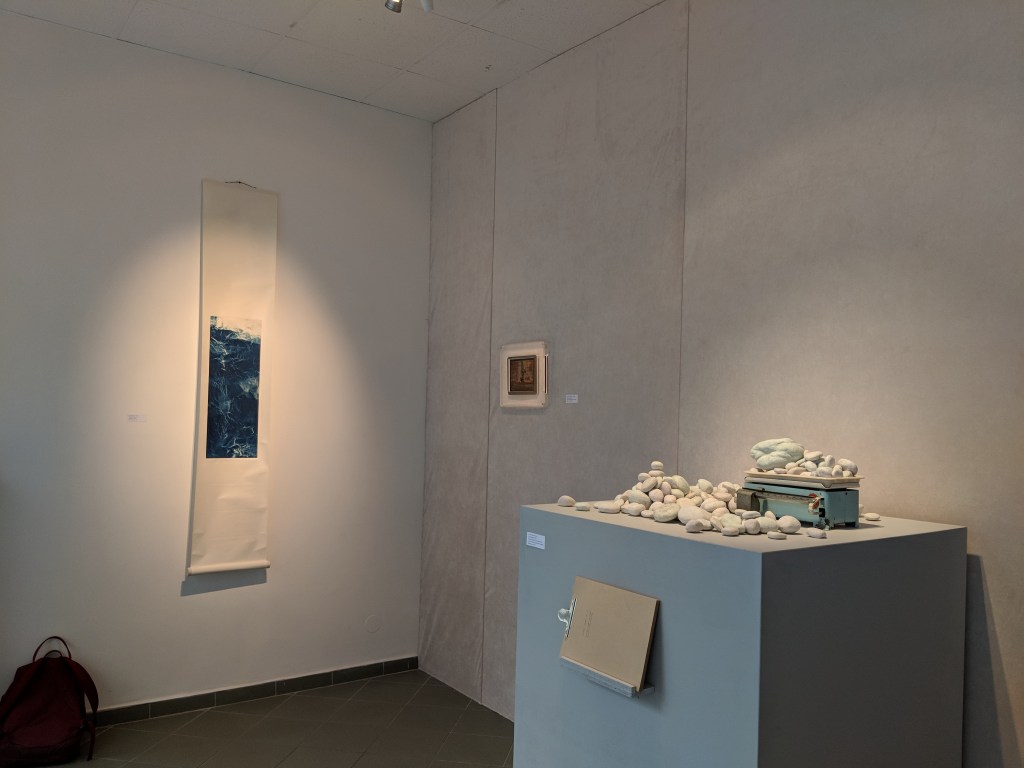
Chinese traditional art—particularly ink painting—often evokes simplicity and restraint: black and white, water and ink, realism up close, abstraction from afar. Yet, since the 20th century, “ink” has become more than a medium; it has become a philosophical battleground. In the hands of Xiao Xu, whose work with rice paper carries the elegance of slow time, and Wu Chi-Tsung, whose experimental paper-based practices displace conventional reading of “landscape,” ink becomes an evolving cultural code. Their work doesn’t just preserve ink—it argues with it, lovingly, restlessly. Ink here is not just material—it’s method, worldview, and resistance.
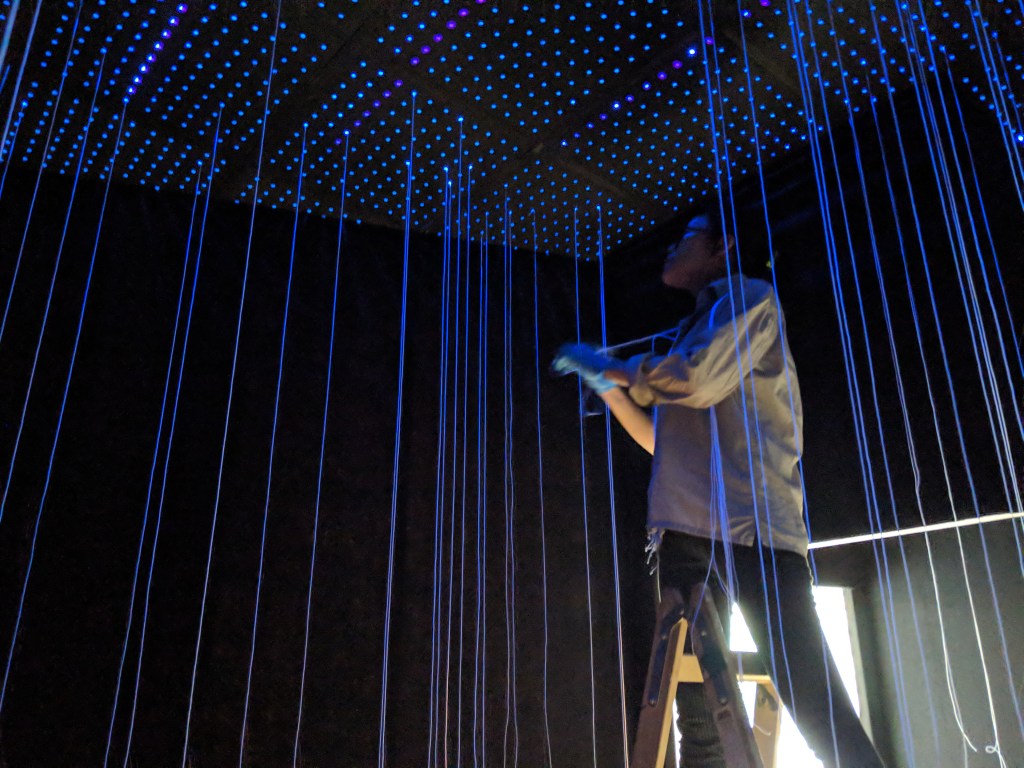
In Vietnam, lacquer painting has historically been used to adorn objects, but post-1925—after the founding of the Indochina College of Fine Arts in Hanoi—it morphed into a hybrid form, merging painting, sculpture, and craft. Nguyen Oanh Phi Phi has been working with lacquer for over 15 years, and her work explodes conventional aesthetics. At first glance, her shimmering surfaces seem almost digital; but on closer inspection, she’s hacking the tradition from within—embedding the tactile with the technological, and crafting a sensory language that feels both ancient and futuristic.
In Taiwan, Lee Tzu-Ling meticulously collects and processes receipts—through papermaking, drying, polishing—to create hauntingly materialized records of everyday life. Her craft-like repetition mirrors a quiet rebellion: turning the mundane into monumental. In works like Night Rain, castoff fragments become portals, bridging object and space, person and presence, inviting us to sense more than see.
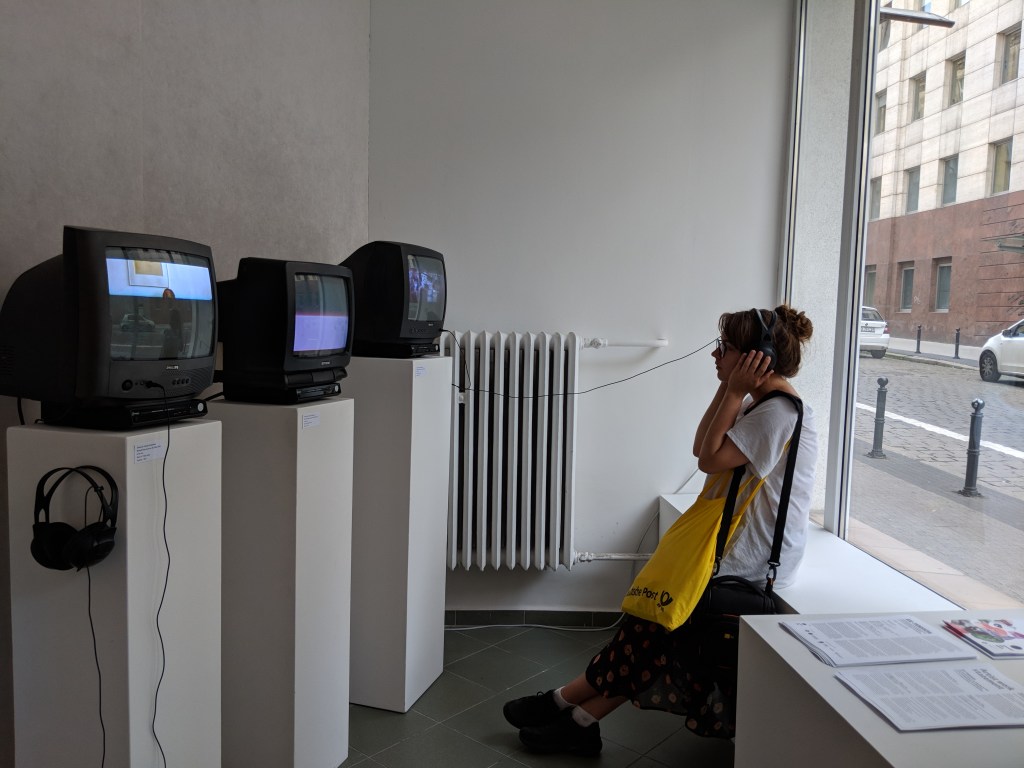
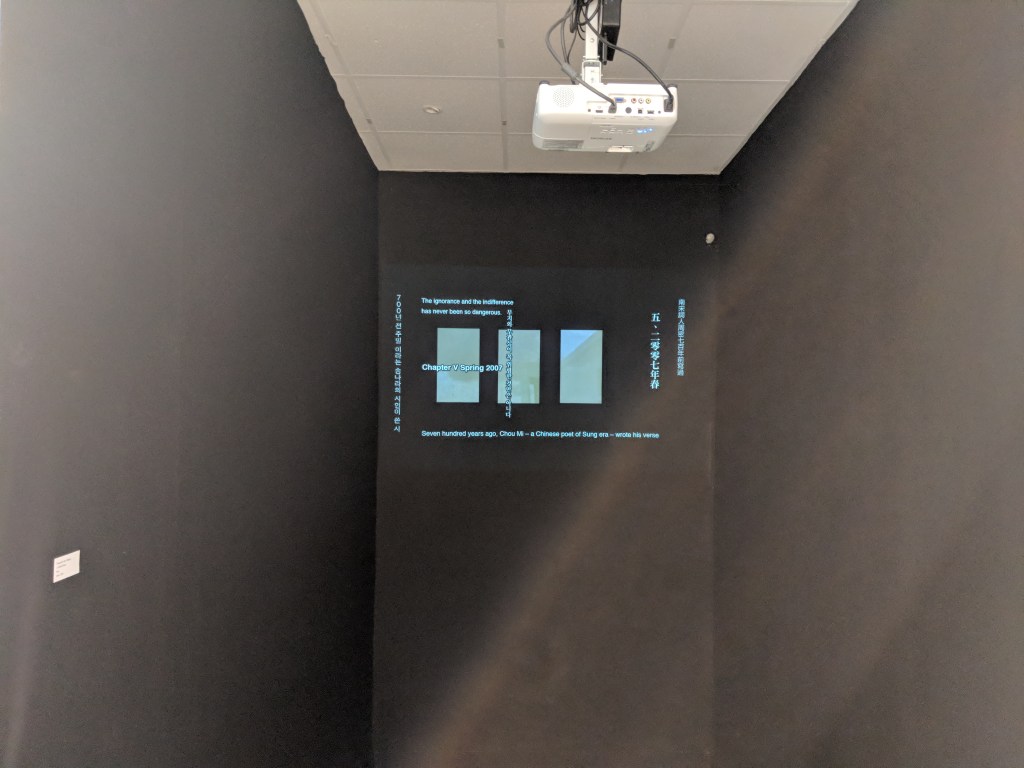
Macau-based filmmaker Cheong Kin Man offers a conceptual counterpoint. His experimental short Useless Novels uses ethnographic methods and diary-like structure to reflect on storytelling in fragmented tongues. Overlaying dialects—Vietnamese, Cantonese, Korean, Japanese—he performs a linguistic collage that speaks to diasporic multiplicity and cultural dislocation. The result is not just film—it’s a fractured chorus of East–West entanglements.
This exhibition proposes that Asian contemporary artists are not merely inheriting traditions—they’re remixing, resisting, and reimagining them. They make us question what media can do, how culture is carried, and what it means to feel through art. Through materials both ancient and everyday, they expand the sensory field of aesthetic life, conjuring new modes of coexistence between form, memory, and meaning. Their work is not just about the present—it’s a quiet rehearsal for the future.
緣起:POZNAŃ ART WEEK 2018 主題來自「REDISTRIBUTION」多維概念。它是個專有名詞,指的是各種類型的「再實踐」,包括對圖像,符號和文化模式的挪用和重新解釋。另一方面,它與社會和政治因素參與塑造文化的問題直接相關。在POZNAŃ ART WEEK 2018 邀請下,討論文化和藝術,文本之於社會影響力以及在社會中分配的方式。概述的背景使得創造性干預的每一個動作,都成波茲南藝術場景可見性的重要證明。
策展概念:《延/伸:文化與媒材的移動關係-亞洲當代藝術聯展》展覽將探討亞洲藝術家思考文化與媒材形式的思想傳遞、創新突破,從熟悉的傳統創作媒材:水墨、漆、紙等,探究當代藝術家如何運用傳統技術結合當代觀念與觀者產生互動,顛覆傳統概念,轉化媒材意象,打破習以為常的敘述模式,創造不同的感官經驗,同時考慮了當今社會的科技進步,再次捕捉觀眾真實的感知經驗,嘗試對於未來的當代藝術做出貢獻,讓我們看見藝術語言自身的獨立價值。
中國傳統的藝術形式被認為是水墨畫,僅有水與墨,黑與白色,近處寫實,遠處抽象,色彩單調,意境豐富。老實說,並沒有一個確切的年份,能清楚劃分傳統和當代的界線,但水墨兩字的用法,自二十世紀以來已有多次的詮釋,一直透過半傳統、半實驗性的方式演進,在經年累月的嘗試和錯誤中,引進各種顏料、畫布及視覺嘗試。如此獨特的媒材與概念運用,在藝術家肖旭的宣紙畫和吳季璁的紙上作品中,看見文化以一種優雅細膩的方式延續與創新,而形式上則是充滿大膽的突破與嘗試。水墨不止是媒材,它是一種態度、哲學和世界觀。
越南傳統的漆藝,過去長期使用在物件表面的覆蓋,如傢俱、器皿、神像等,直到1925年河內的印度支那美術學院創立後,漆開始成為繪畫用媒材,結合雕塑、繪畫與工藝的綜合應用。藝術家阮菲菲研究漆藝超過15年,在她的作品中看見了漆藝的突破。初次接觸到她的作品,會以為是運用科技技術來創作,仔細品味,才知道她釋放漆畫的審美習慣,融合數位時代的硬體,重新創造了獨特的感官視角。
除了明顯地看見文化與媒材形式上的思想傳遞,另外台灣藝術家李姿玲與澳門導演張健文,各自發展了獨特的概念討論自己與媒材間的關係。藝術家李姿玲透過收集發票、造紙、風乾、打磨過程中,創造了生活的重量軌跡,身體的反覆勞動,如同工匠般,將日常生活材質轉換為看似平凡卻不尋常的體驗。而在《夜雨》作品中,平凡易丟棄的物件,感性地化身為一種形象的語言,完全自由地滲透在作品和空間、作品和人、以及人和空間,引領我們、滲透我們感官。
澳門導演張健文,在實驗民族誌短片《小說無用》中以日記形式反思小說的功能,巧妙結合聲音方言與畫面,透過視覺媒介提出問題。又在傳統文字閱讀與語言之間,像是越南話、廣東話、韓語、日語的交疊,看見存在東西方文化異同中的身份認同多樣性。
亞洲藝術家延伸生活美學的感官經驗,讓我們看見藝術語言自身的獨立價值。他們從傳統概念創新與再組合,進而思考文化與形式的共存。從媒材的存在、材質的被取代性、物質本身的自然性與抽象概念的探討,創造藝術的當代性與未來思考。
Exhibition duration:June 1- July 10, 2018
Opening:15PM, 1 June, 2018
Exhibition Artist:
Taiwan:吳季璁 Wu Chi Tsung、李姿玲 Lee Tzu-Ling 、何灝 Ho How
Indonesia:阿里安山‧卡尼阿哥 Aliansyah Caniago
Vietnam:阮菲菲 Nguyen Oanh Phi Phi
China:肖旭 Xiao Xu
Macau:張健文 Cheong Kin Man
Curator:李依佩 Yipei LEE
Curation Assistant:陳若谷 JoKu Chen, 姚柏宇 PoYu Yao
Organization:細着藝術 SUAVEART
Sponsor:國藝會 National Culture and Arts Foundation
 細着藝術 SUAVEART