Manila, the bustling capital city of the Philippines, has four main mass transportation lines. Among these, three are elevated trains:
- MRT Line 1 – Running from West Avenue, Quezon City, to Rotunda, Pasay City.
- LRT Line 1 – Connecting Monumento, Caloocan City, to Baclaran, Parañaque City.
- LRT Line 2 – Stretching from Santolan, Marikina City, to Recto, Manila.
The fourth line is the older PNR (Philippine National Railways) route. Given the challenges of navigating the city, I could only visit one or two places a day. It ended up taking me three weeks to explore the art events and art spaces in Manila!
On March 9, I visited a Saturday Market at Escolta, and the venue was absolutely incredible! The market took place in an abandoned department store, a historic building dating back to the Spanish colonial era. What made it even more special was the collaboration with local people, breathing new life into this unique space while preserving its heritage charm.
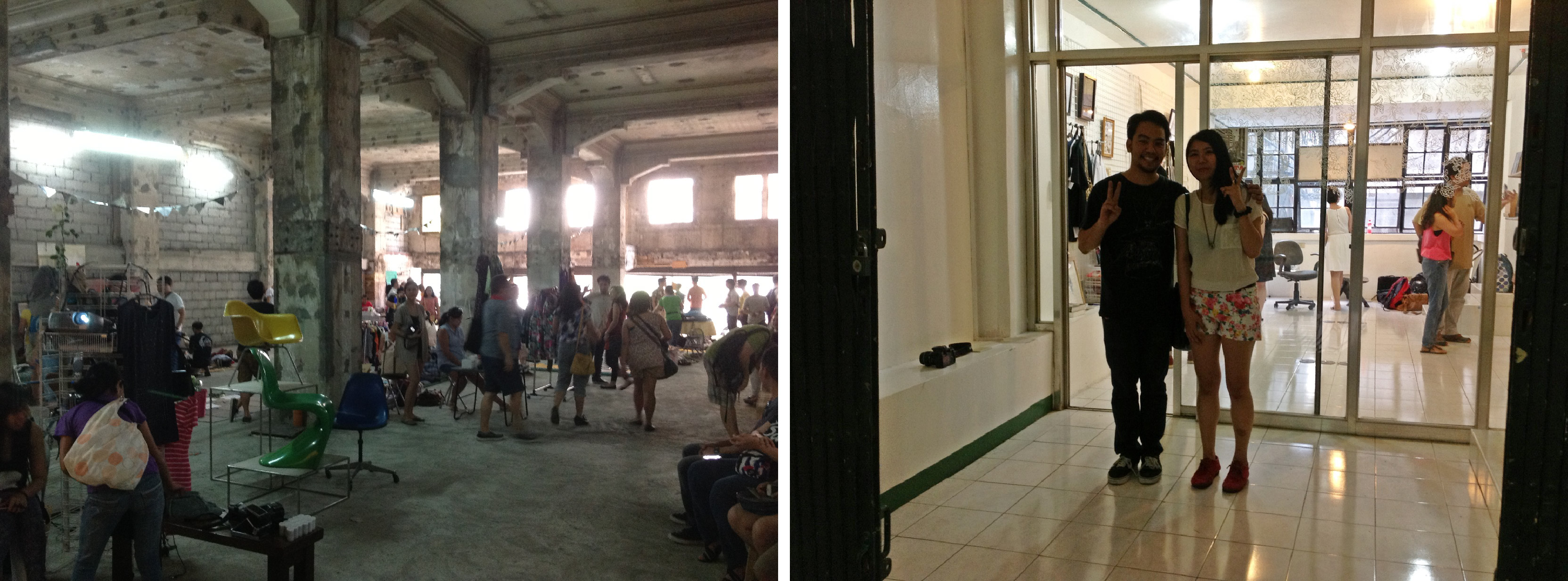
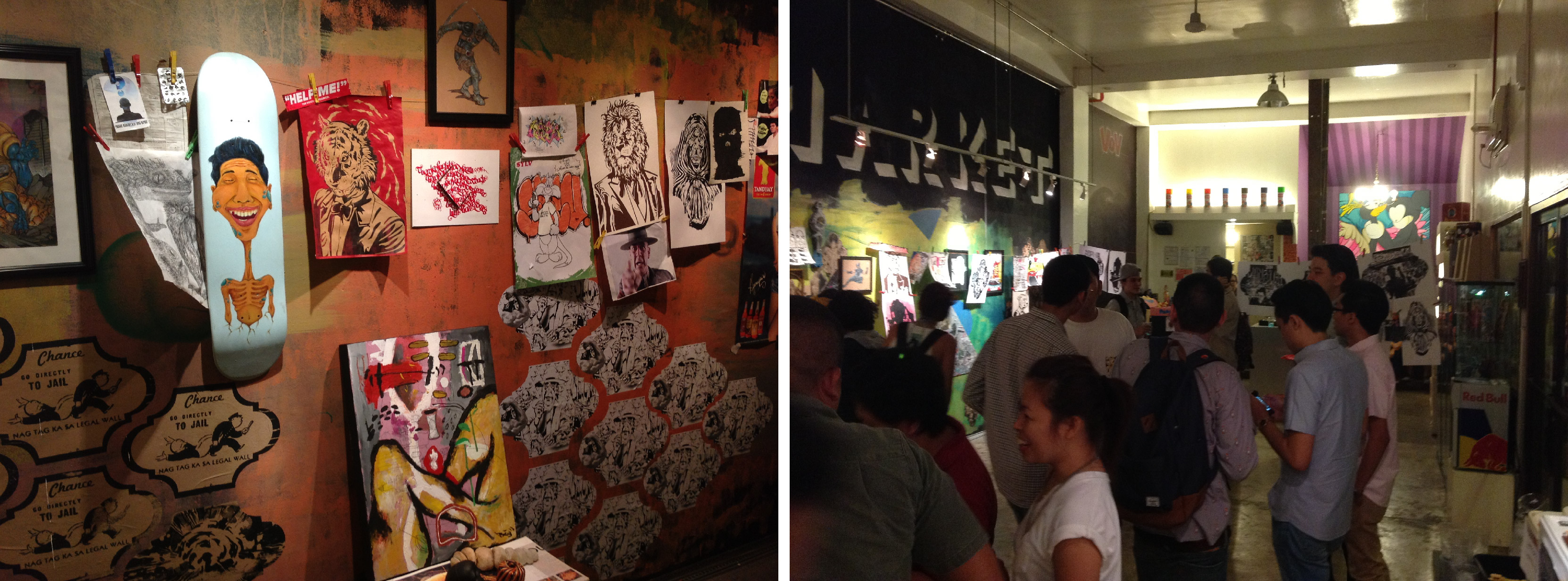
This plaza hosts four or five vibrant art spaces dedicated to subculture exhibitions. It’s a dynamic hub where street artists, tattoo artists, graffiti artists, and underground bands come together to showcase their work, creating an eclectic and energetic atmosphere!
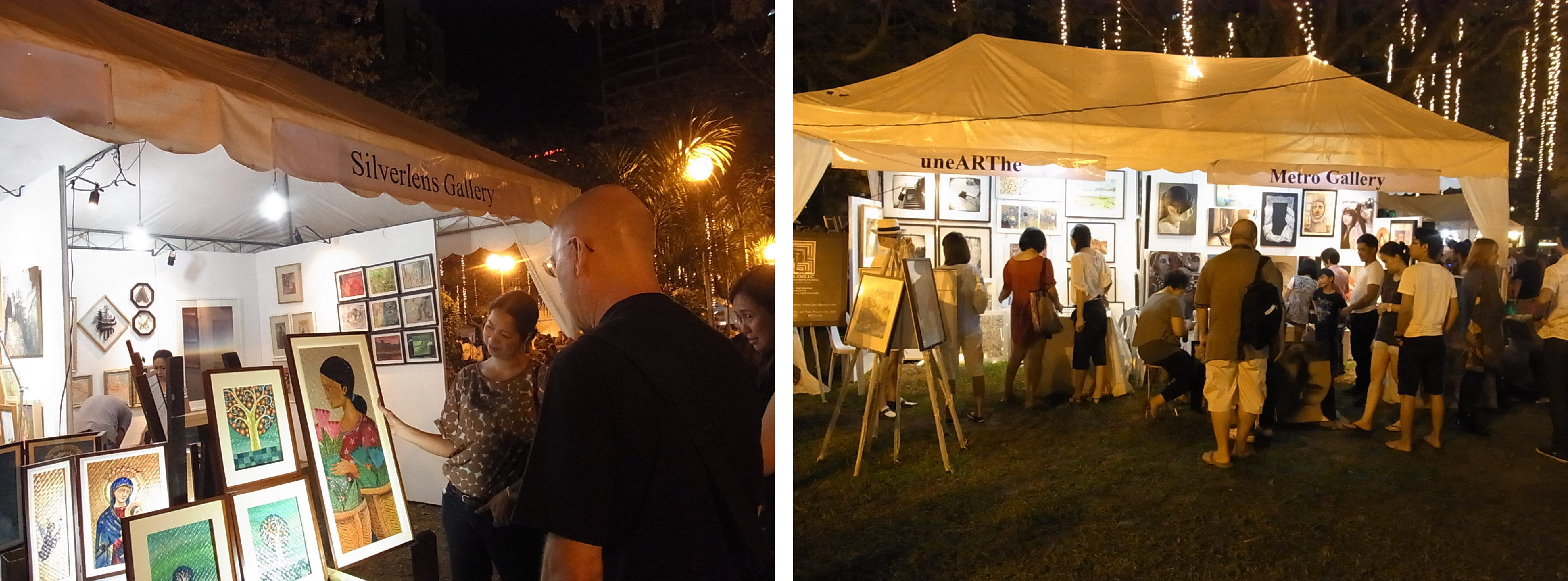
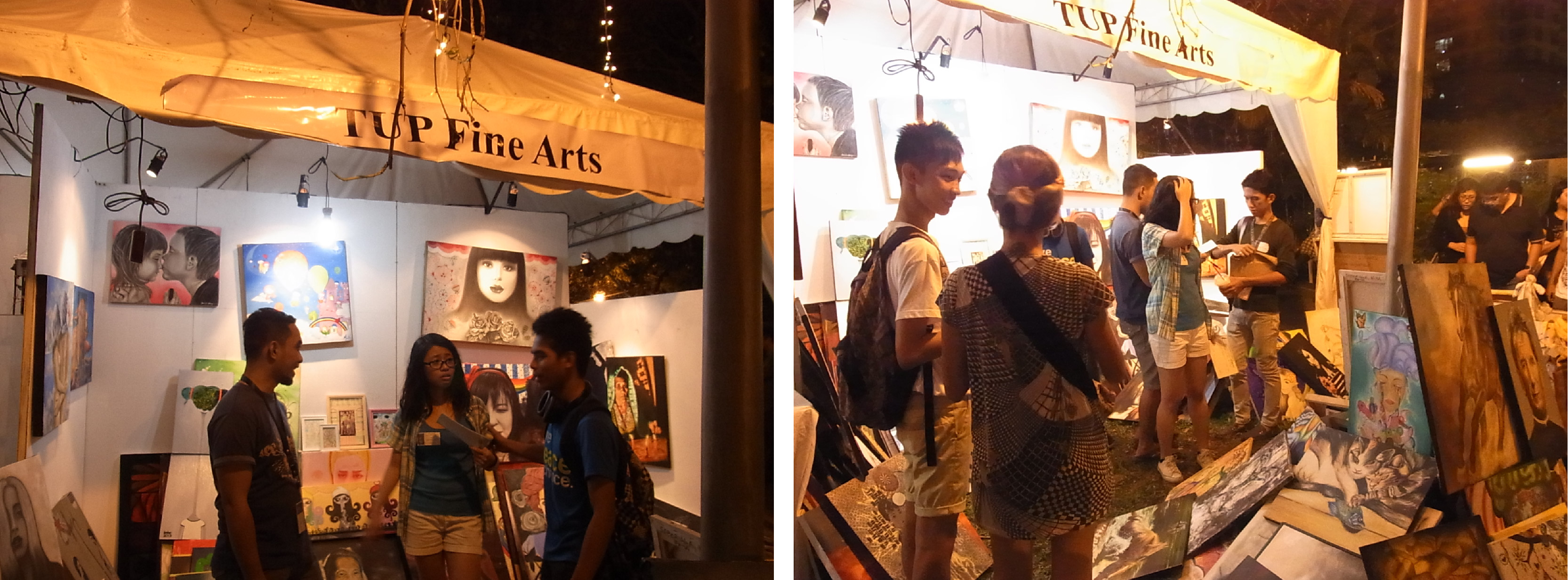
Art in the Park is an accessible and affordable art fair in Manila, held in a charming park surrounded by towering business buildings. The event welcomes a diverse range of participants, including galleries, artist studios, art schools, and independent creators. It’s a fantastic opportunity to collect artworks at reasonable prices while also getting the chance to meet and converse with artists in person!
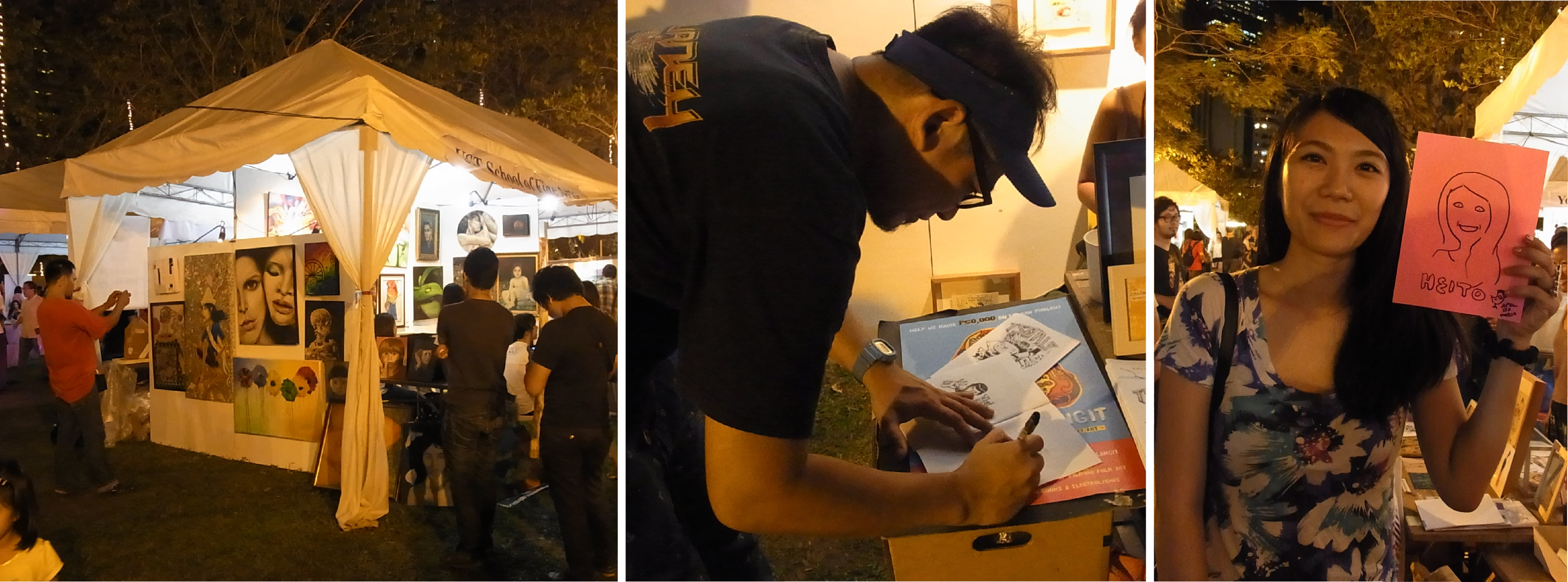
Marcushiro, and live drawing
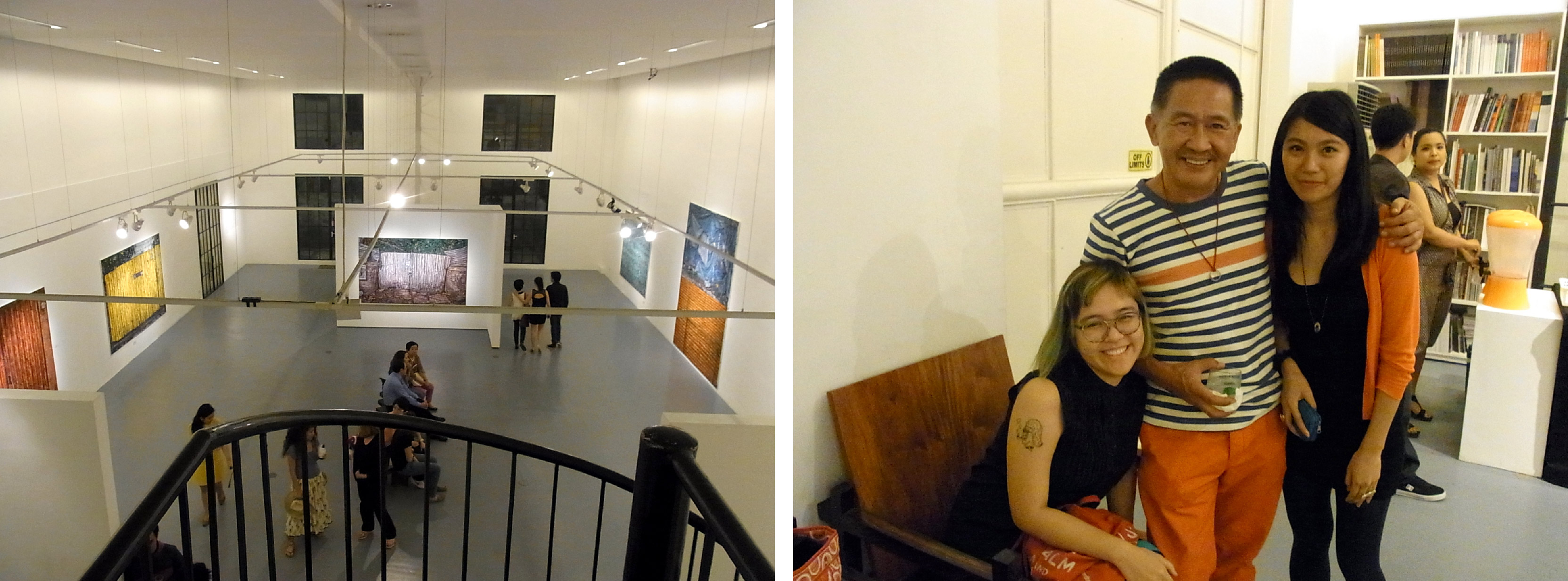
Manila Contemporary is one of the most important galleries in the city, representing many renowned international artists. Located within the Whitespace building on Pasong Tamo, the gallery has been operating since 2008. Its spacious, high-ceilinged interior has hosted a remarkable roster of artists from the Philippines and greater Southeast Asia, showcasing both established and emerging talents.
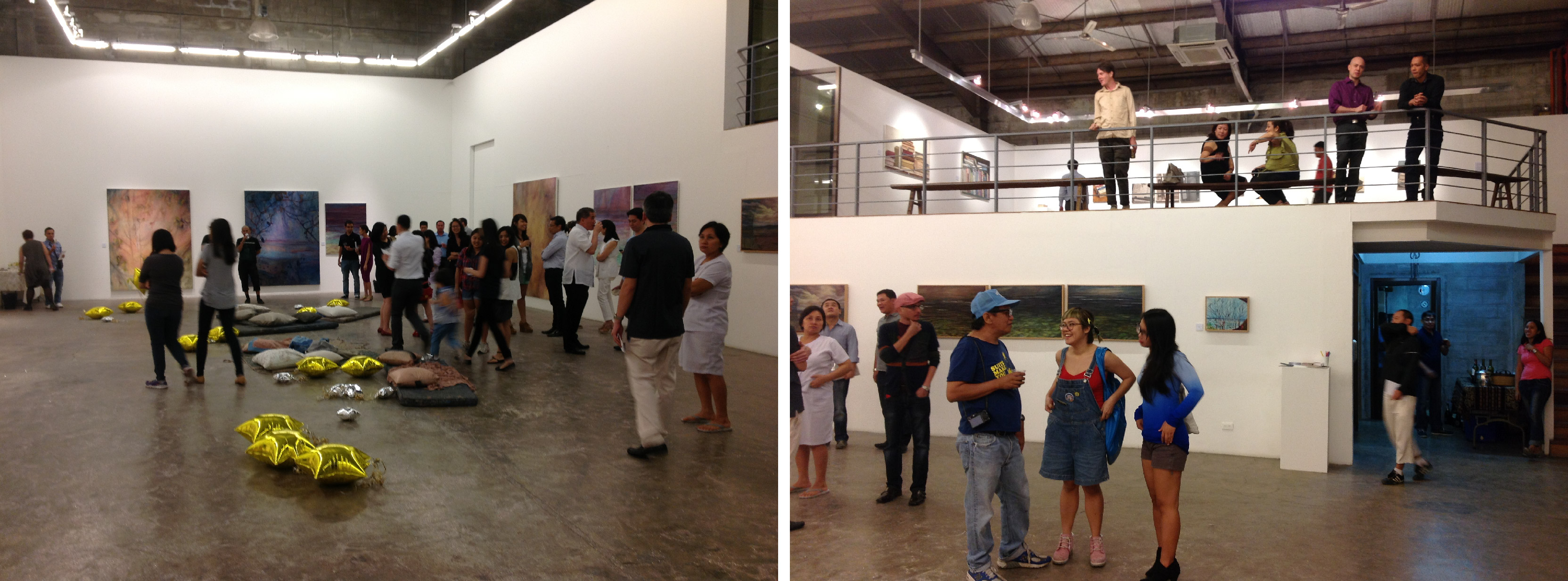
In addition to being an exceptional space, Finale Gallery offers appraisal and documentation services for major corporations and private collectors. They also host seasonal auctions and organize artist talks and forums. Furthermore, Finale has published several art books and catalogs, further contributing to the art scene.
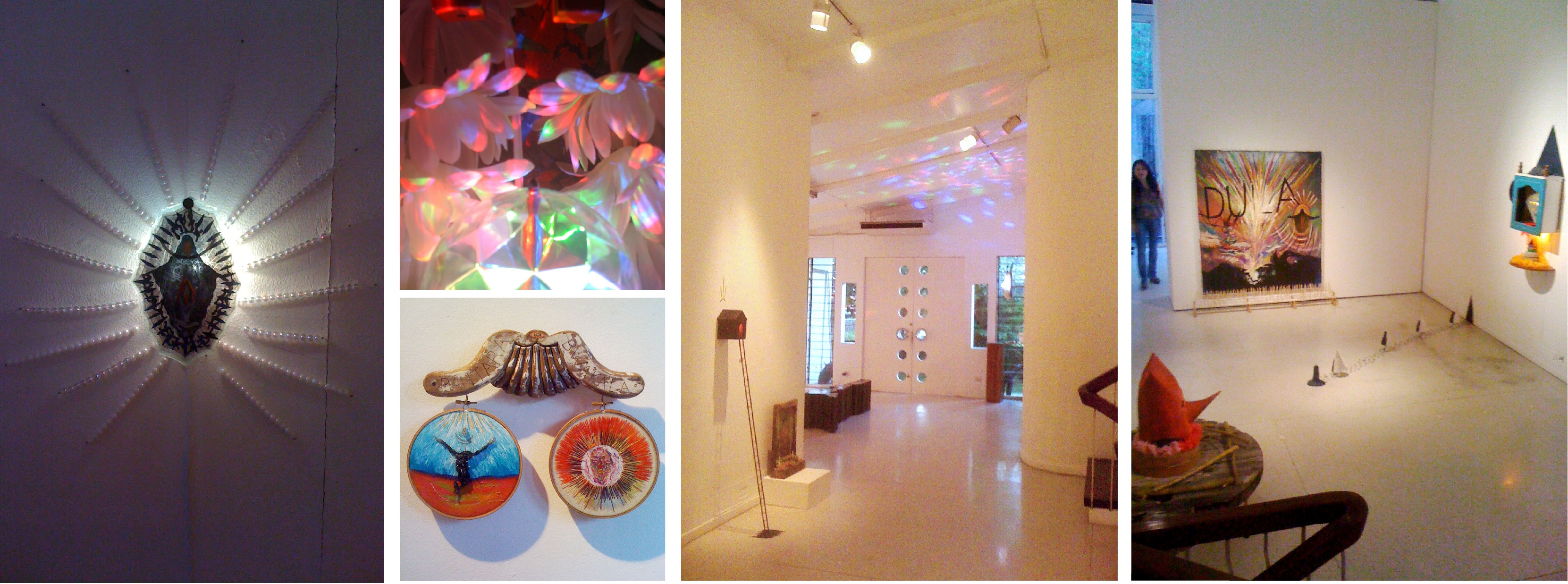
I thoroughly enjoyed the exhibition at Artinformal, where I was truly impressed by the delicate craftsmanship of the artworks. In Zeus Bascon’s pieces, I noticed at least two hand-made layers on each work. His art explores the beliefs and superstitions within the artist’s mind, prompting me to reflect: What kinds of beliefs shape the lives of Filipino artists? How do they discover their identity, and why do they feel the need to express it through art?
Silverlens Galleries consists of two spaces: SLab (Silverlens Lab) and the 20SQUARE project space, both dedicated to showcasing contemporary art. Connected to Silverlens, SLab and 20SQUARE feature a variety of media, including painting, drawing, sculpture, and design. SLab is designed for larger curatorial exhibitions and solo shows, while 20SQUARE, the smaller and more intimate space, has become a favorite venue for exhibitions due to the close connection it fosters between the artwork and the audience.

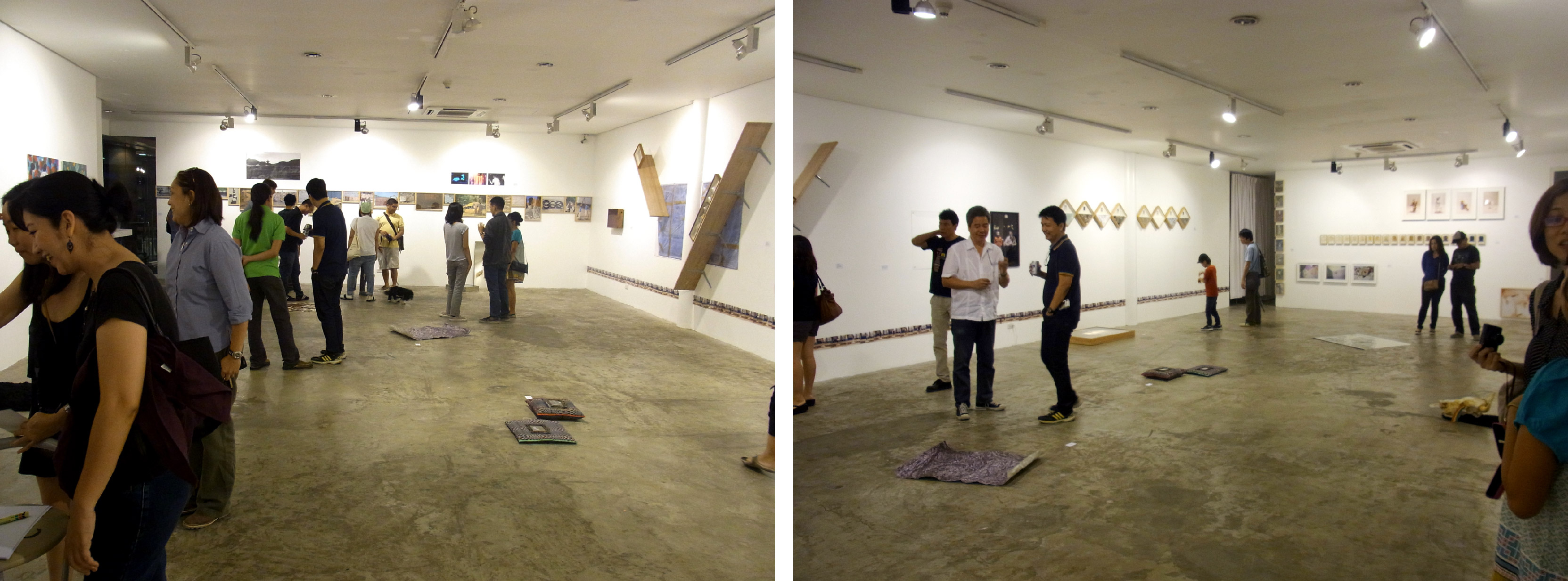
Mo_Space was created as a response to the changing landscape of alternative art spaces in Manila. Non-profit and artist-run, its mission was to ensure the longevity and increased visibility of young conceptual artists, whose practices were often hard to position in a market-driven environment. This contemporary photography exhibition, curated by Roberto Chabet, features works from various artists, including Catalina Africa. YSOBEL and Verite Gallery are next to each other located in the same area with Mo_Space.

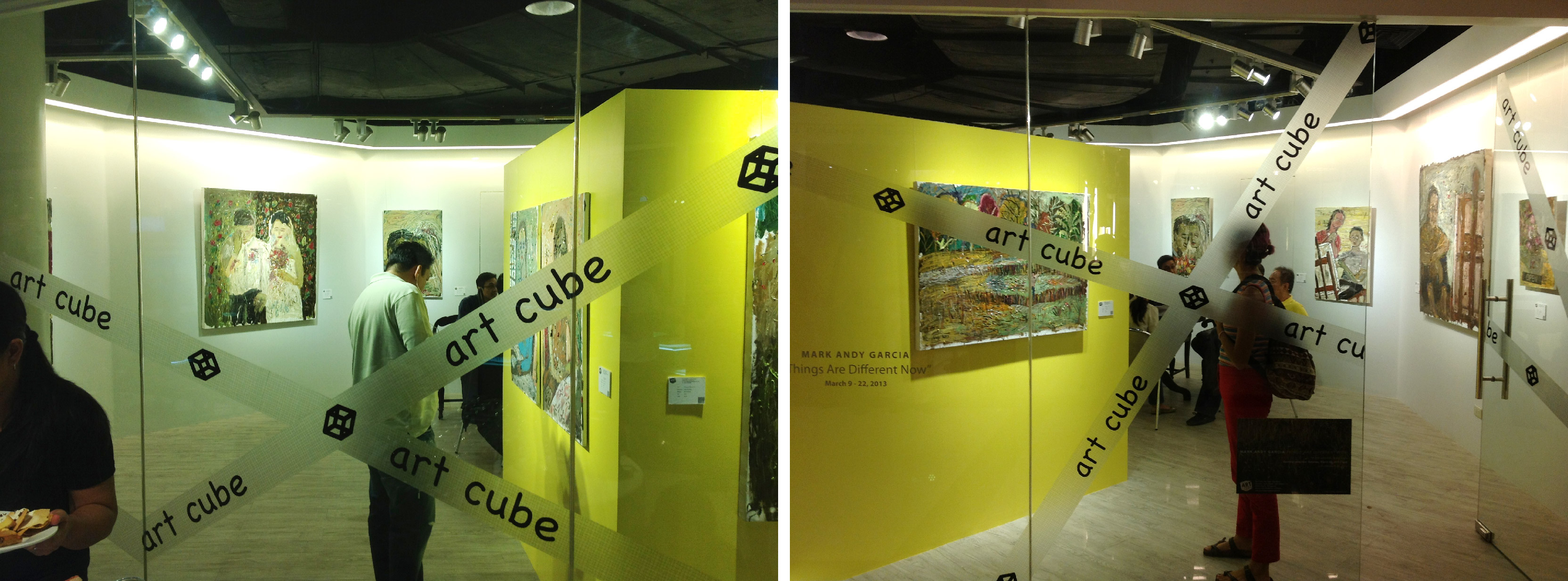
Art Cube is located in the Shopping Mall. Artist Mark Andy Garcia’s paintings in this show constitute an album of memories and keepsakes of experiences in his own life.
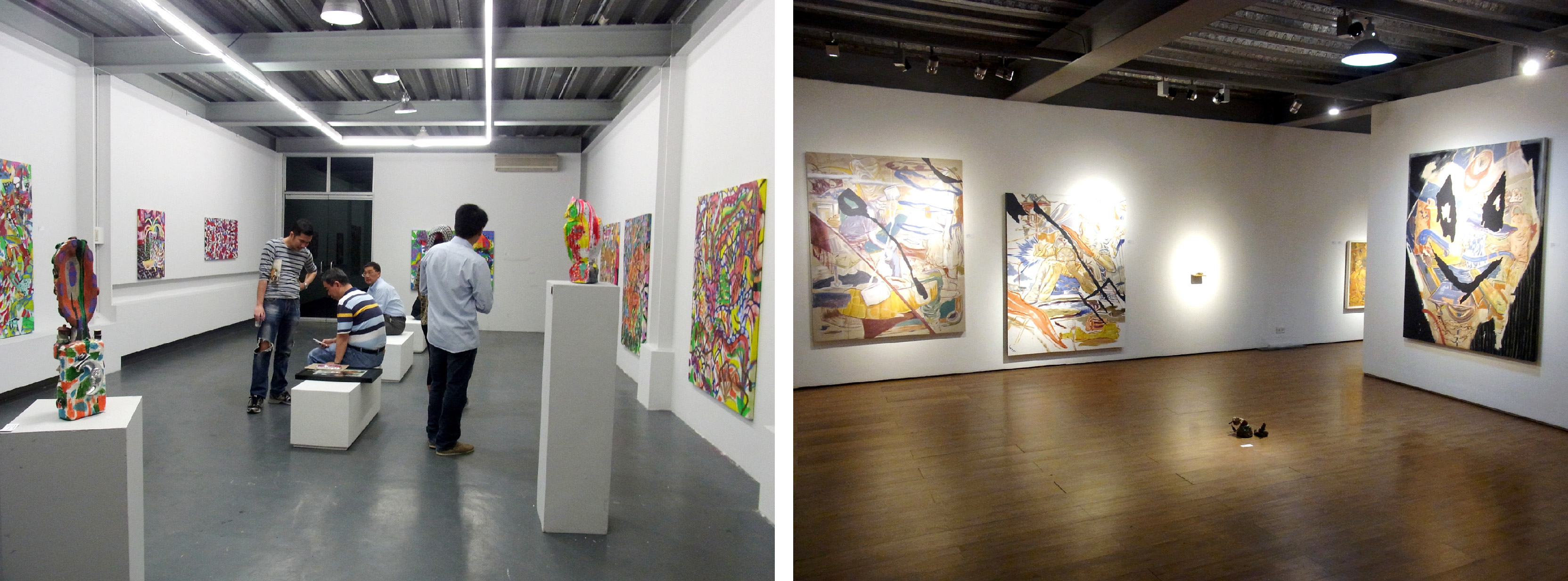
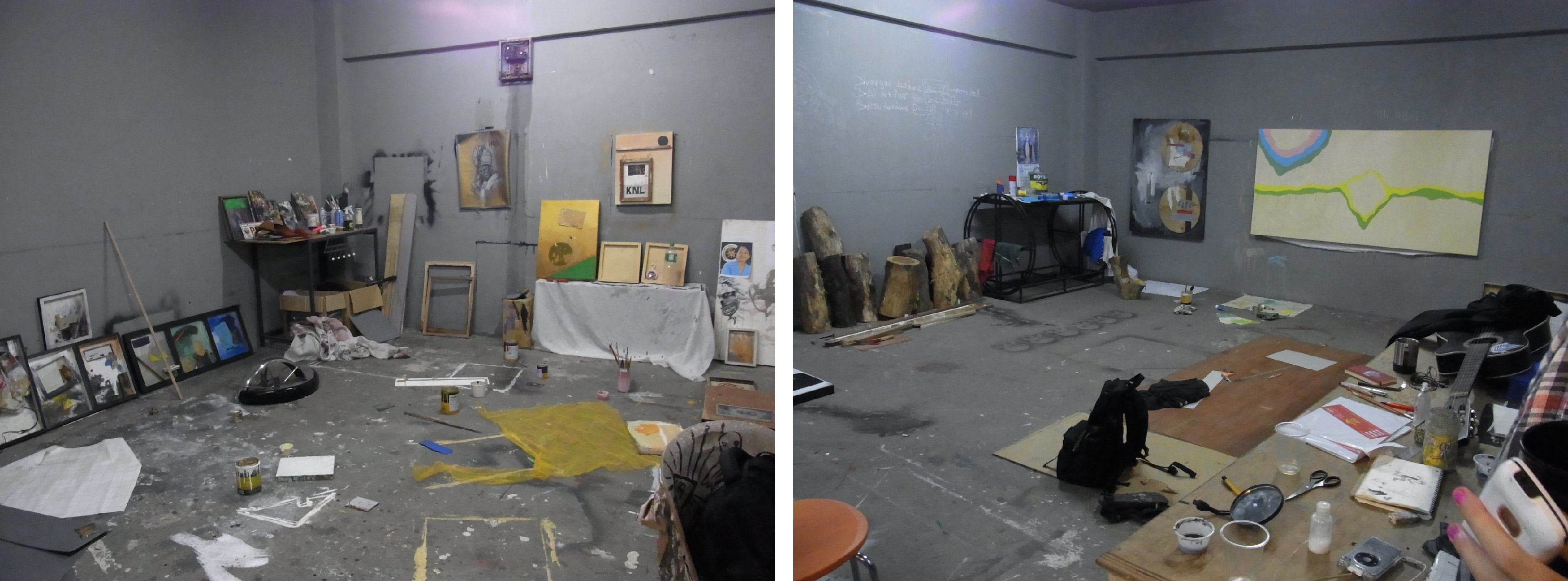
Light and Space focus on the representation of young and contemporary artists whose diverse practices include painting, drawing, sculpture, installation, and photography. They have three galleries for different proposes, and invited artists can use the studio for one month before the exhibition opening.

This is just a brief introduction to the art spaces I’ve visited. However, the Philippines has a long and complex history, from its colonization to the present day. During my travels in Baguio, I noticed that the contemporary art scene there was completely different from what we usually see in urban centers. Indigenous people, as nature-born artists, have a unique and valuable artistic heritage that truly deserves respect and recognition. :)
Many thanks to Catalina Africa and her family, Dex Fernandez, Kat Medina, Kawayan, Mannet Villariba, Tengal Nolasnem, and everyone in Philippines.
 細着藝術 SUAVEART