When I spoke to my friends about Baguio, I encountered two contrasting opinions. For many Filipino artists, Baguio is seen as a deeply spiritual place—a sanctuary where one can reconnect, recharge, and renew their spirit.
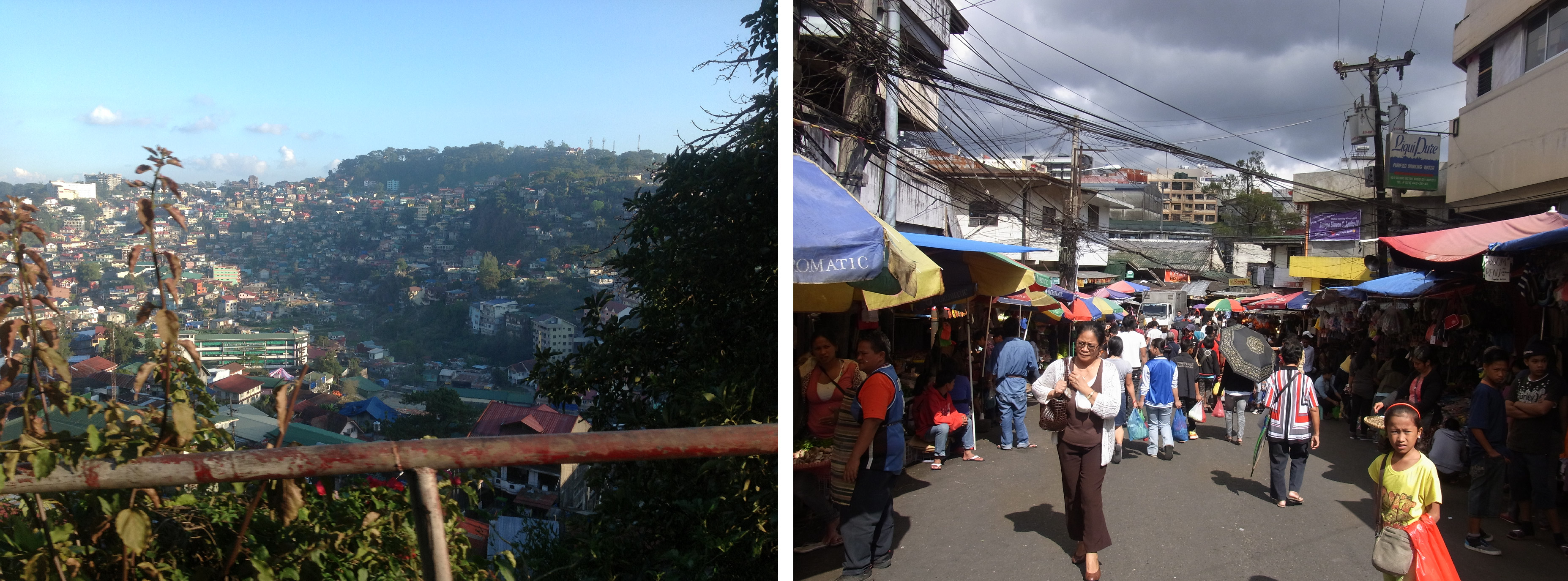
Baguio City, located in the province of Benguet on the northern Luzon island of the Philippines, is a highly urbanized hub. It serves as the center of business, commerce, and education for Northern Luzon, as well as the seat of government for the Cordillera Administrative Region.
The city was established by the Americans in 1900 on the site of an Ibaloi village called Kafagway. Its name, “Baguio,” comes from the Ibaloi word bagiw, meaning ‘moss,’ reflecting the lush, mossy vegetation of the region. Situated at an altitude of approximately 1,610 meters (5,280 feet) in the Luzon tropical pine forests ecoregion, the city boasts a climate conducive to the growth of mosses and orchids.
During our three-day stay in Baguio in mid-March, the weather was pleasantly cool, ranging between 20 and 23 degrees Celsius—perfect for escaping the humid heat elsewhere!
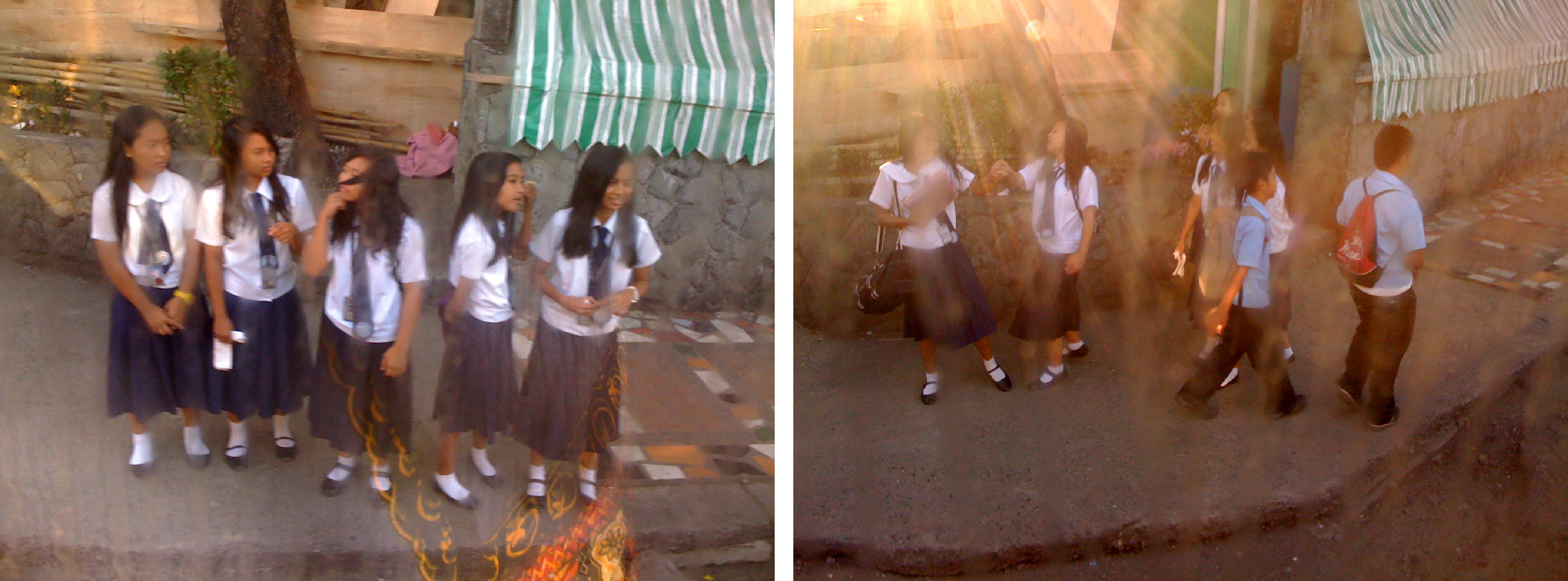
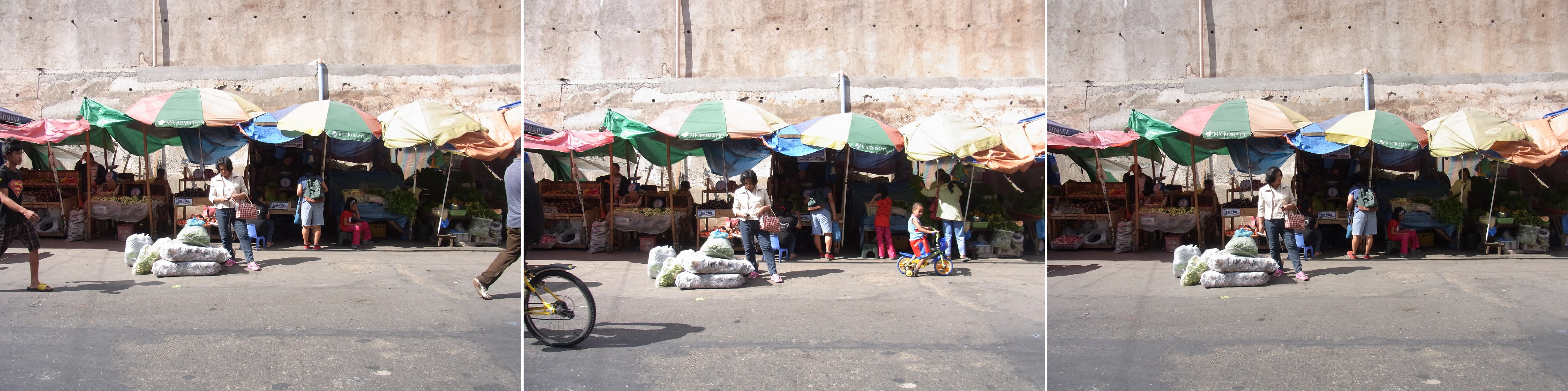
The streets of Baguio offered a unique charm, blending the city’s natural beauty with its vibrant urban life.
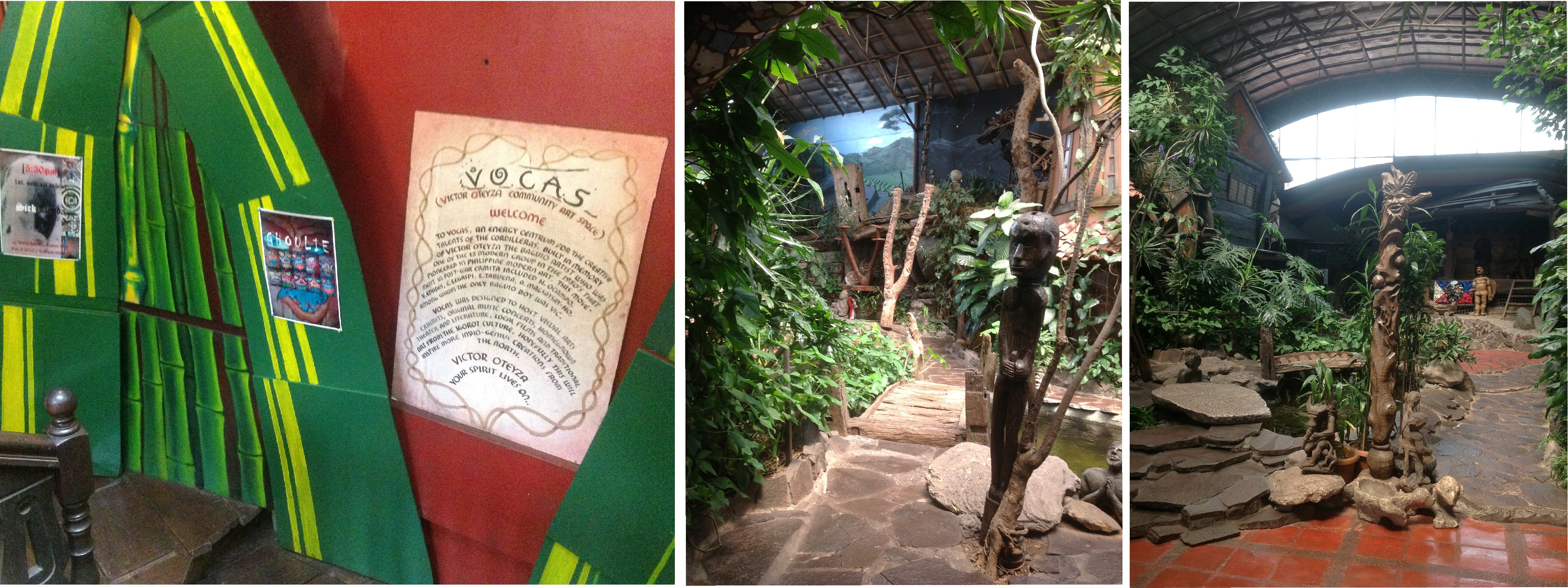
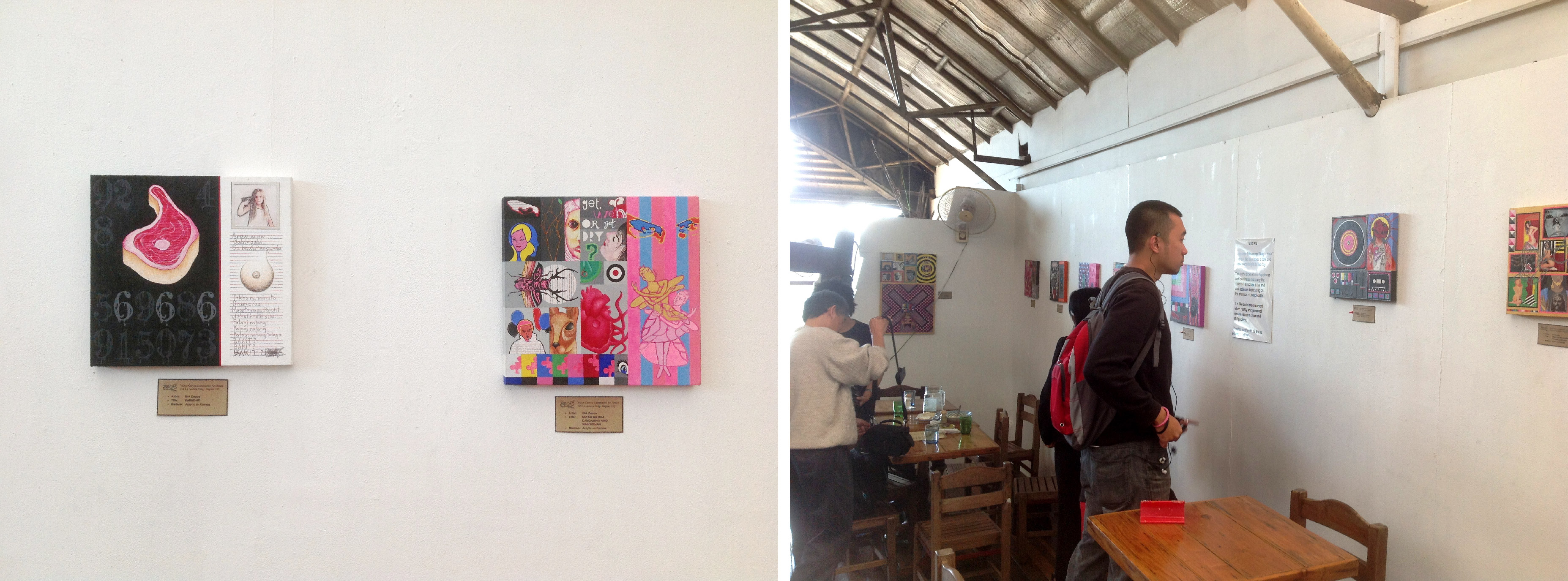
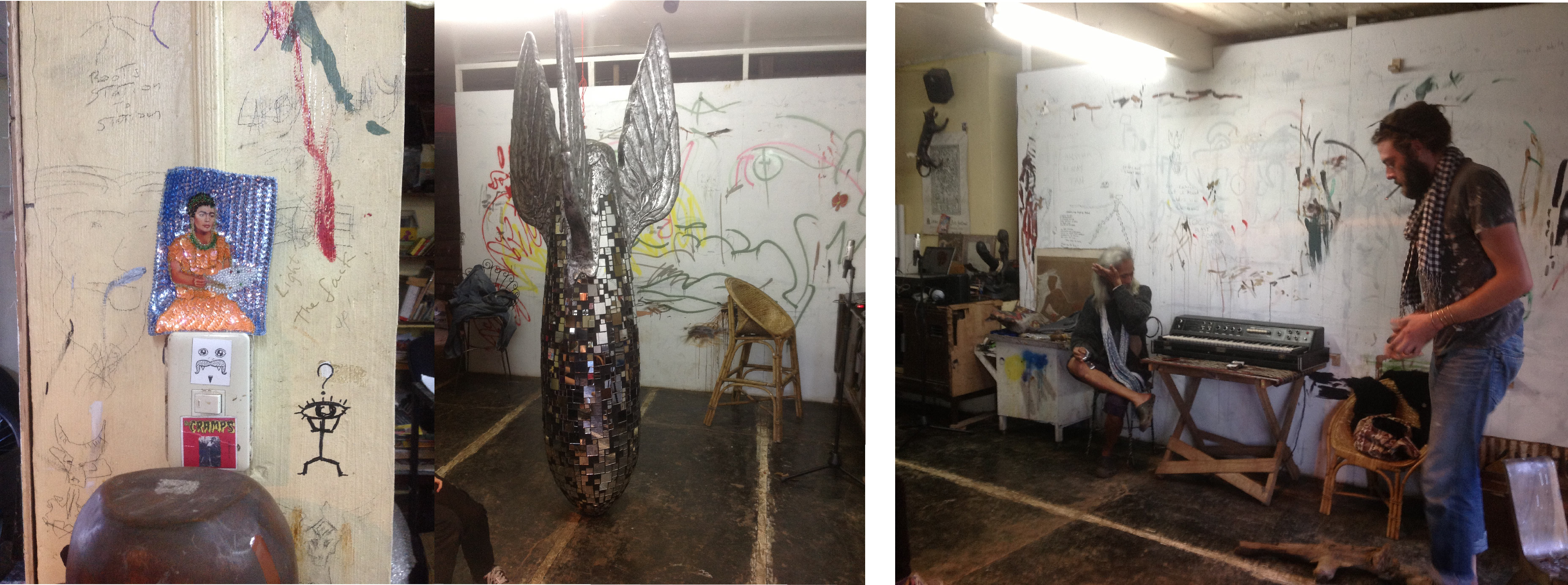
VOCAS is a special art spaces in Baguio, located in the penthouse of the five-story building. It houses eclectic art pieces and is a venue for local artists and musicians to gather and share their art.
The left painting is Victor Oteyza painted by Bencab. Oteyza was a self-taught artist who was first an engineer at the University of the Philippines (UP). Eventually, he ventured into the world of advertising. Aside from being a painter, Oteyza was a musician, director, and writer.
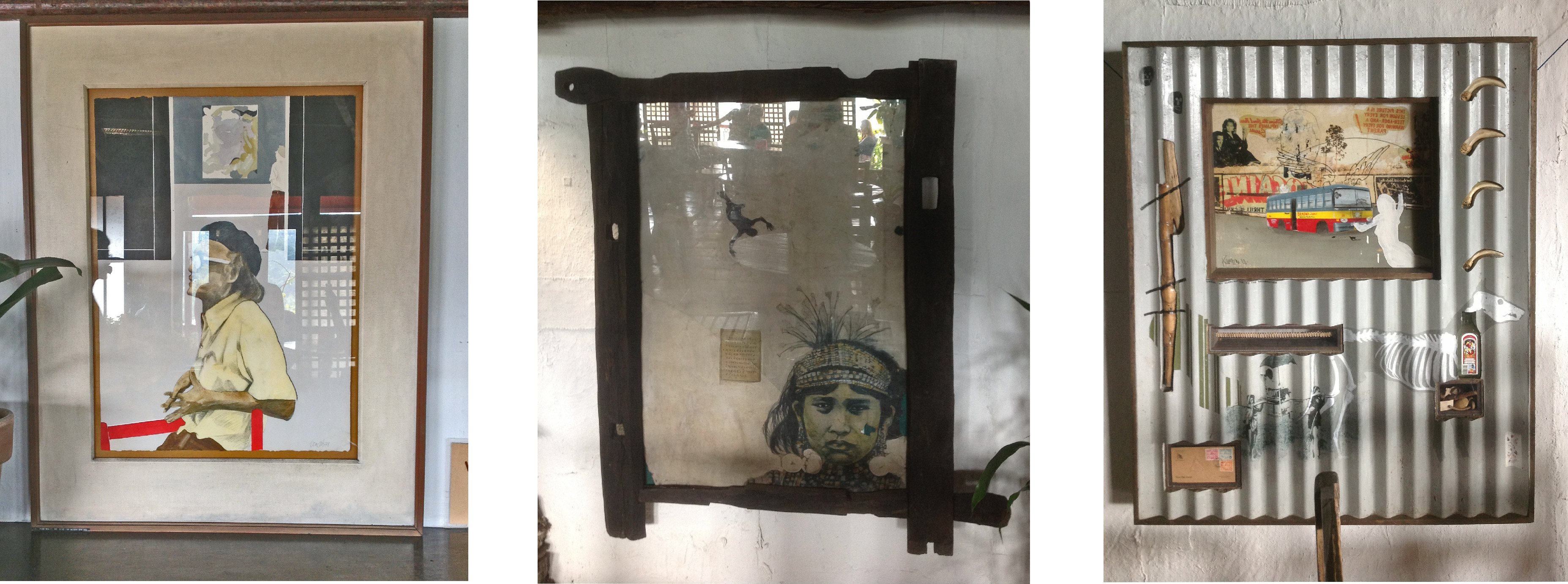
In 2001, a memorial for Oteyza was started by his nephew, alternative filmmaker and artist Eric De Guia, better known as Kidlat Tahimik. Tahimik saw fit to dedicate a space for his uncle who was also one of the heirs of the La Azotea Building along upper Session Road, Baguio City.
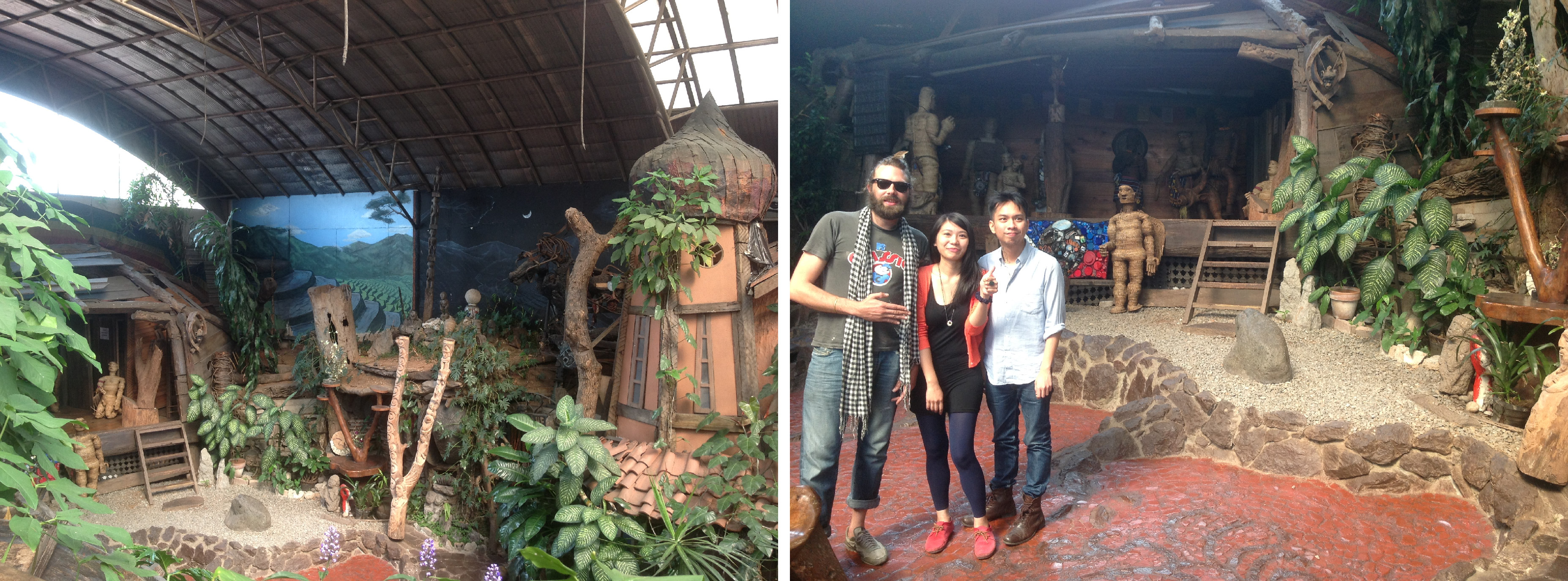
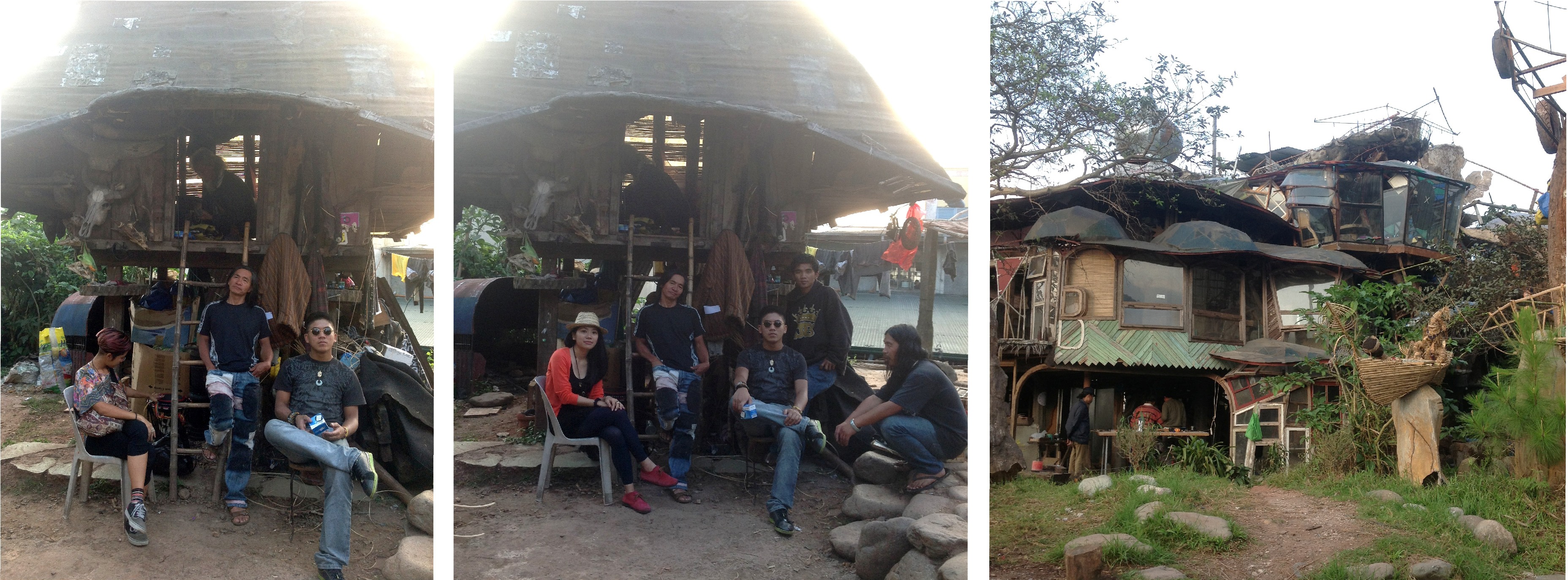
In order to continue and extend the mission of VOCAS, Kawayan and other Indigenous artists are building up another art space where is easy to find on the ground. They are planing to take another five years to finish this place and schedule some of arty programs with local residency such as high school kids.
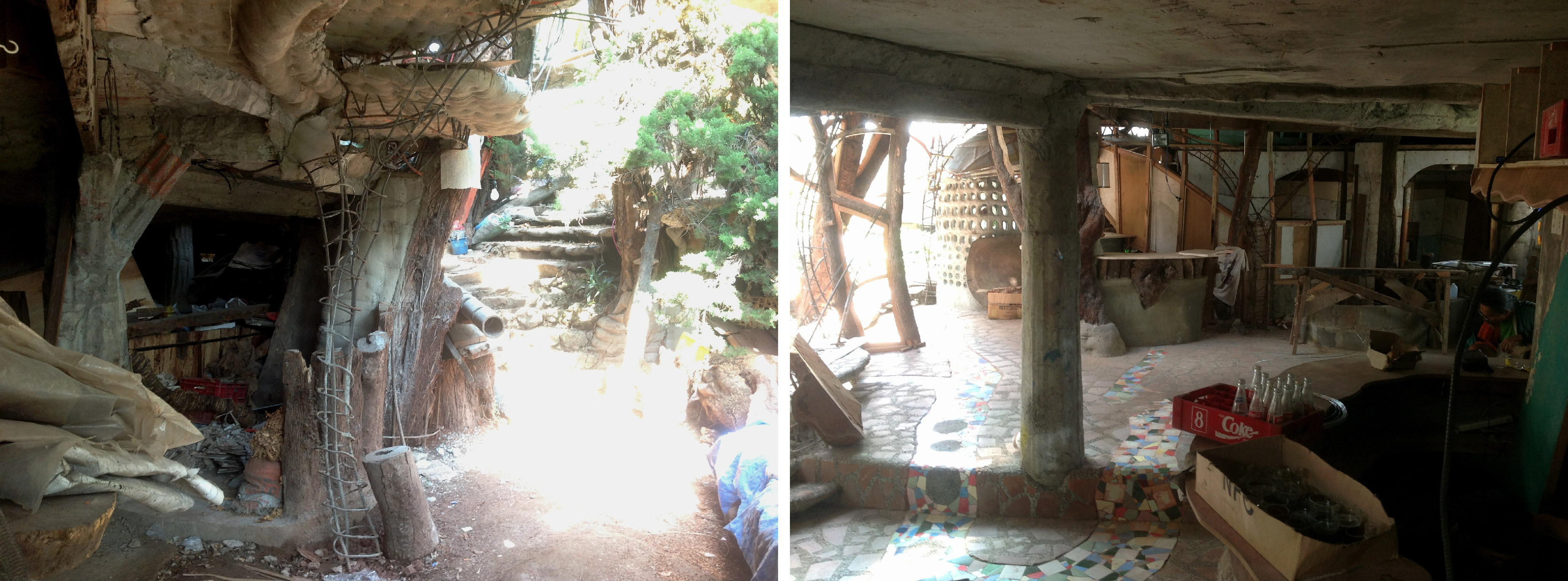
Another hidden crisis comes by the development of Baguio City, so they are preserving the treasure as much as they can. Many artists like Santos, who is from Ifugao and expert in wood carving, has impressive life experience working for Japanese government to clean and collect Japanese soldiers’s dead body during WWII. And nowadays, he is putting all his energy to preserve Ifugao culture.
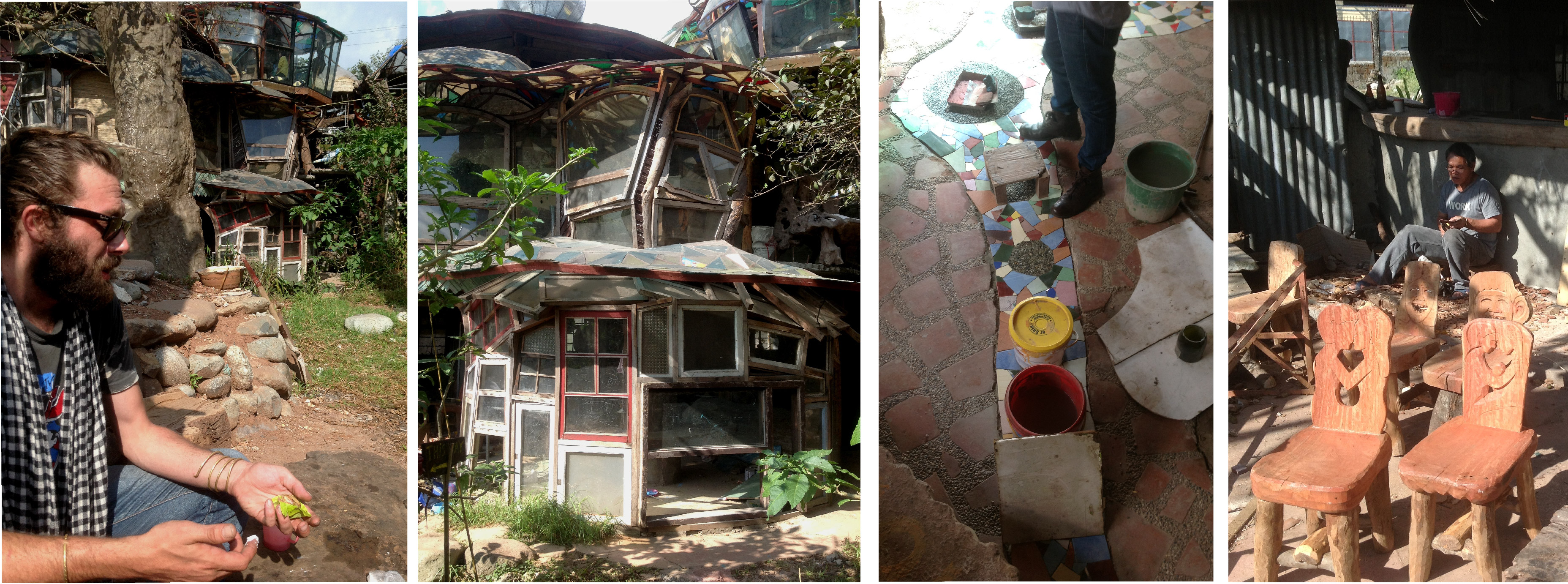
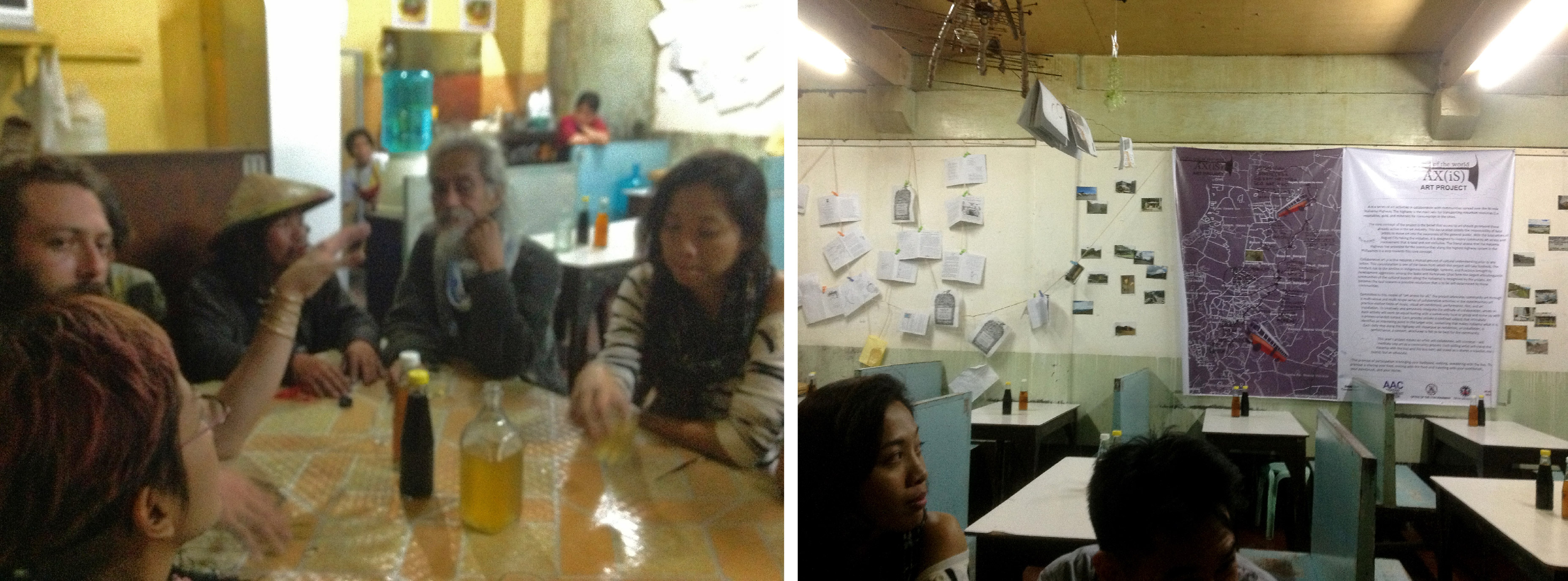
Many artists come from Manila such as Dex Fernandez and overseas, they are willing to assist and create new community of art. Hence, they also work with restaurant in long-term process. One of the project is they took bus and marked every space they had been, it is like journalist who wrote down every detailed in the community and share the thoughts to everyone. By this way, villages become closer, and for people who comes another cities could respect their culture. Art become a good methods to solve society problems, everything is possible here.
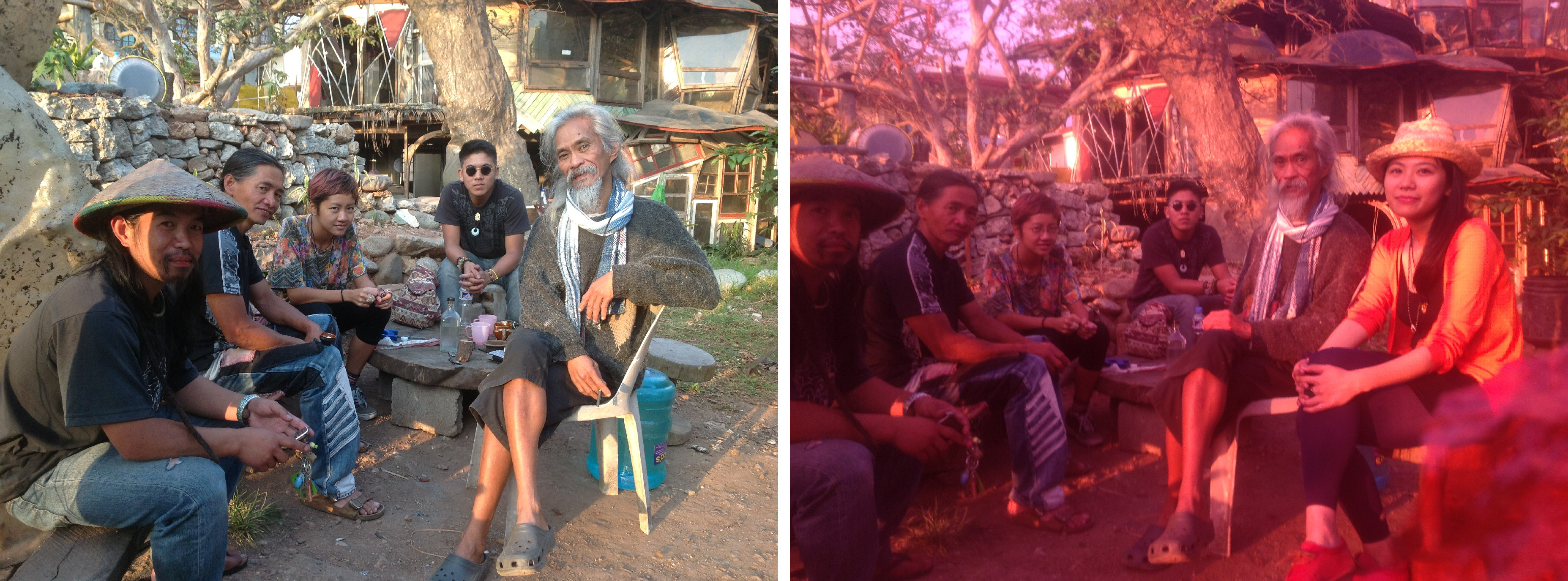
Kawayan means “bamboo” in Tagalog, and the tall, lanky, soft-spoken Kawayan de Guia bears the name well. Although Metro Manila is the bastion of the mainstream Filipino art scene, he resides in his hometown of Baguio, in the Cordillera mountain region that has been the subject of many of his works.
Through his exposure to diverse cultural experiences spawned Axis Art Project, a bi-yearly arts festival – as an avenue to educate and connect bridges through art, that caters to local and international artists willing to engage in the common seed that is awareness within and outside of one’s community. Currently, he is also one of the curators for the Singapore Biennale 2013.
Since last year, I have identified with my partial heritage as a descendant of the Siraya, one of the indigenous peoples of Taiwan. The Siraya traditionally inhabited the flat coastal plains in the southwestern part of the island and corresponding sections of the eastern coast. They are part of Taiwan’s Pingpu peoples—indigenous communities who settled in lowland regions, as opposed to the mountain-dwelling groups.
Like other indigenous peoples of Taiwan, the Siraya are ethnically and linguistically Austronesian. Interestingly, the name “Taiwan” historically derives from the Siraya language. The Siraya language belongs to the Austronesian language family, which spans a vast region of the western Pacific, encompassing languages such as Polynesian, Indonesian, Filipino, and Malaysian.
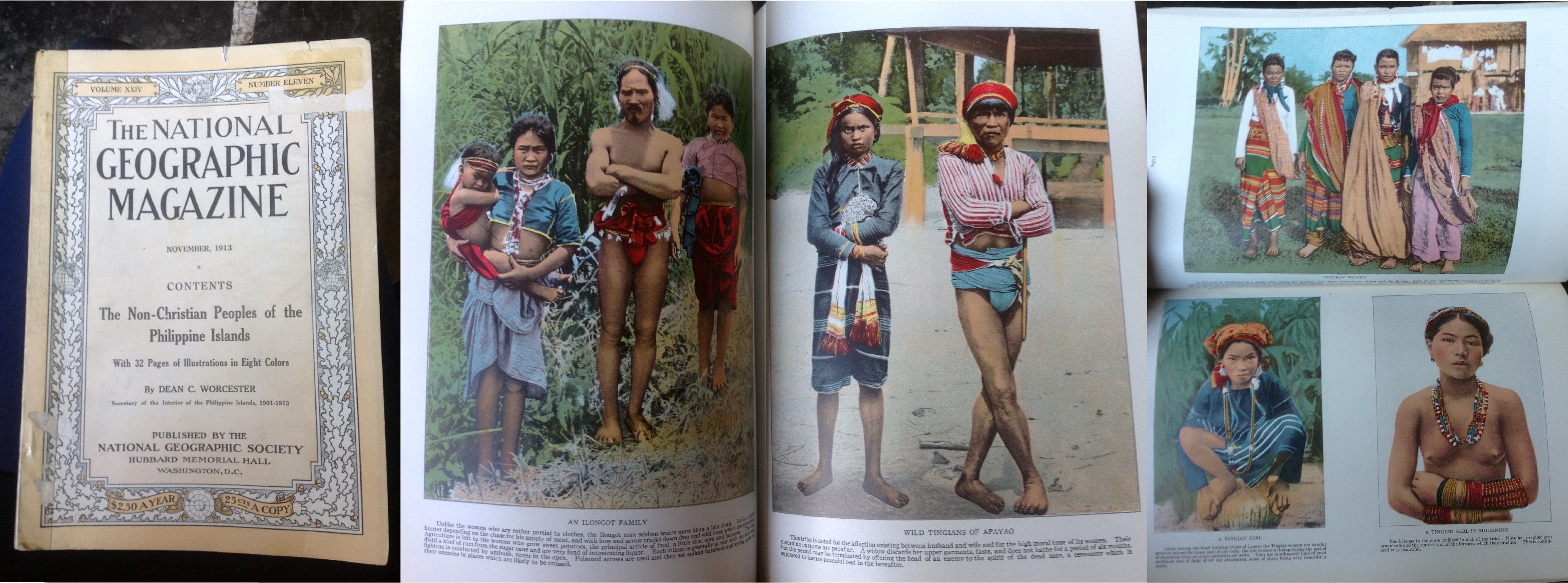
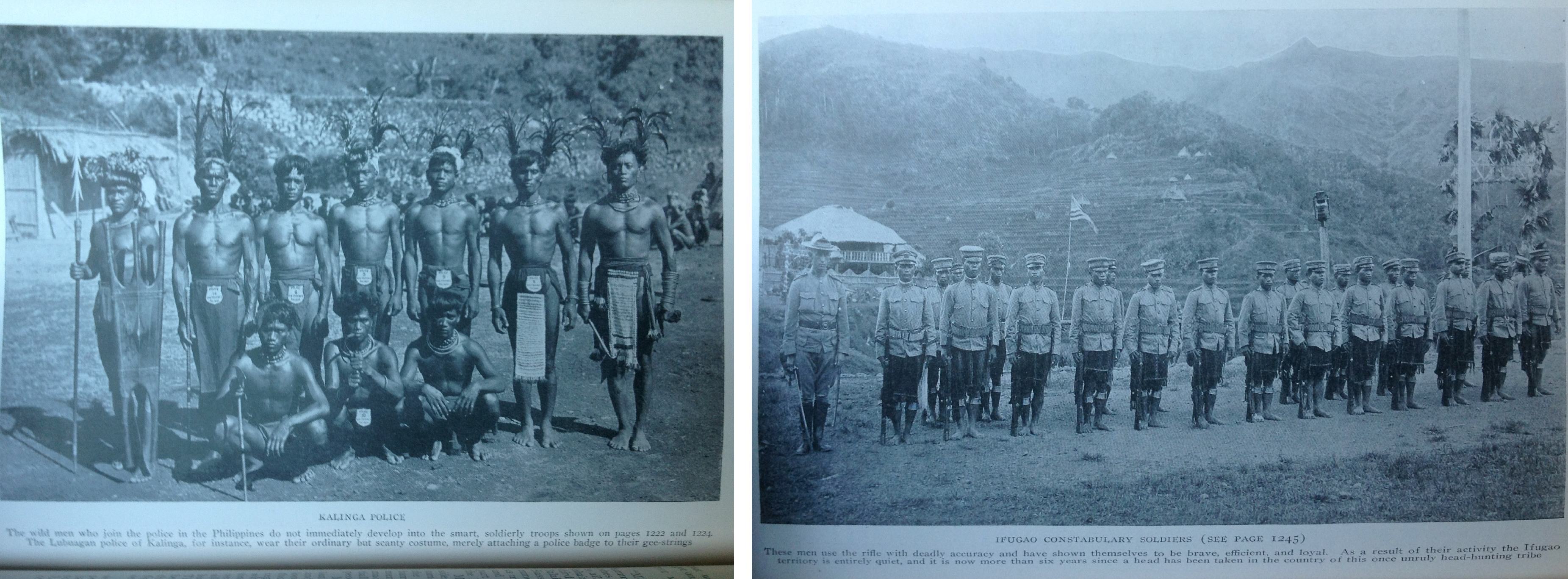
Kawayan and I have been discussing the importance of respecting and preserving Indigenous cultures as invaluable heritage. Some Indigenous languages share striking similarities, reflecting our geographical proximity. Yet, despite being so close in location, we often feel so far apart in understanding and connection.
After an overnight exchange of ideas with many friends, we decided to visit the Bencab Museum, established and donated by the renowned artist Benedicto Cabrera, also known as Bencab. The museum is more than just a showcase of Indigenous culture—it presents a rich tapestry of diversity, offering audiences a deeper understanding of cultural heritage and artistic expression.
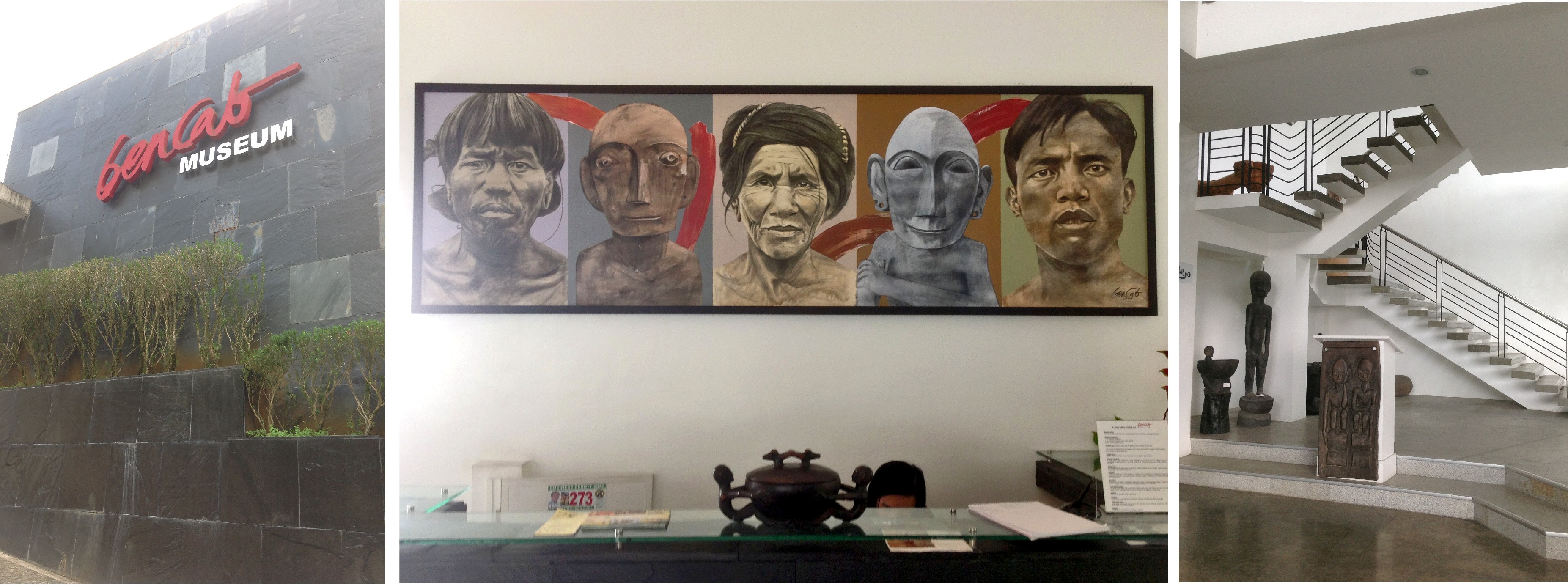
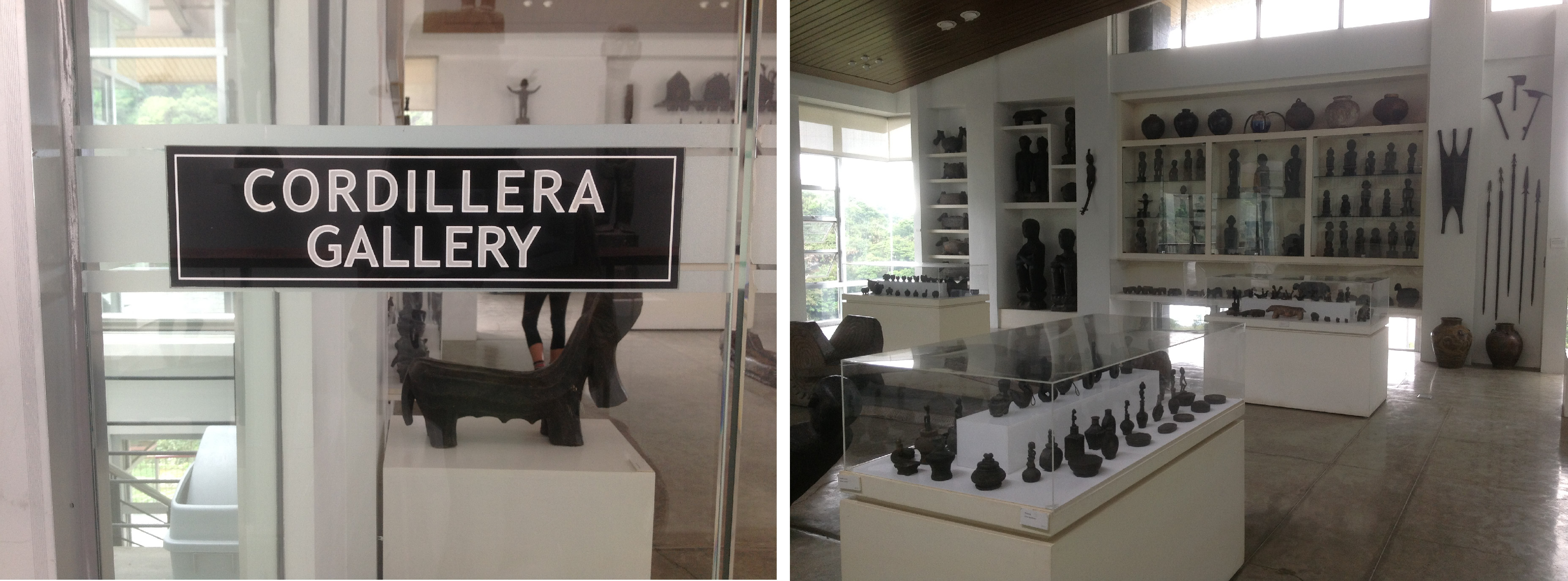

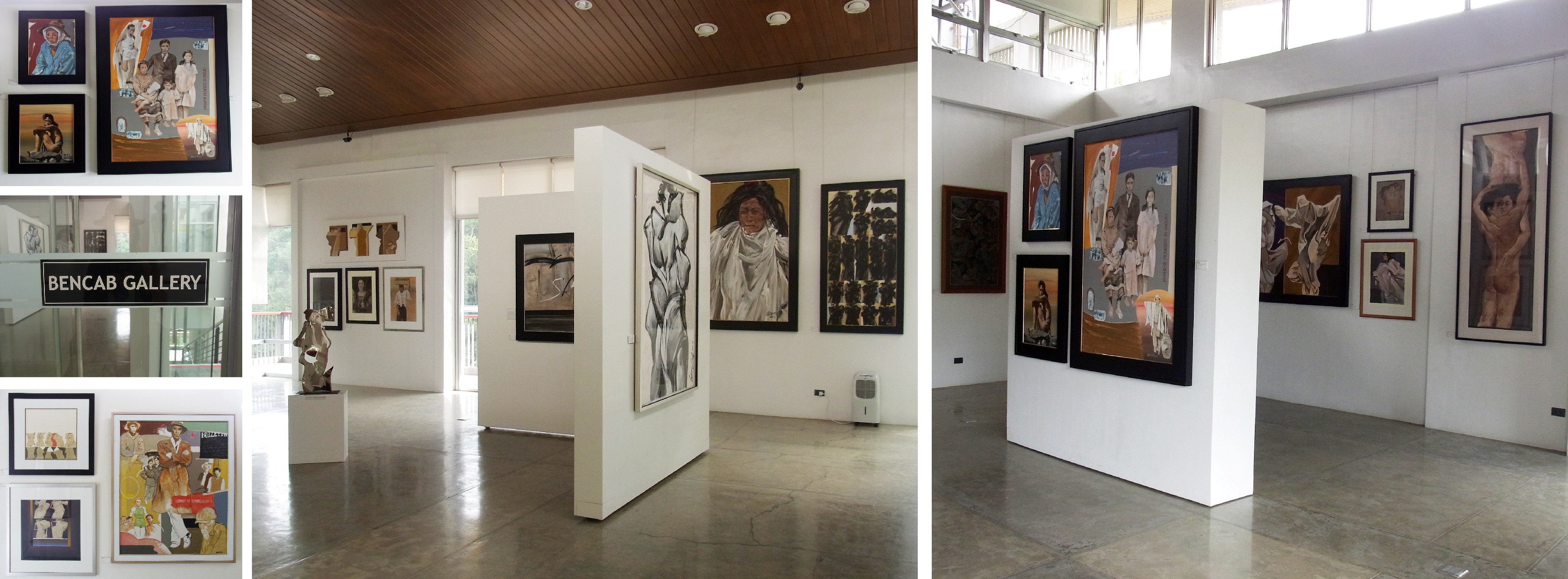
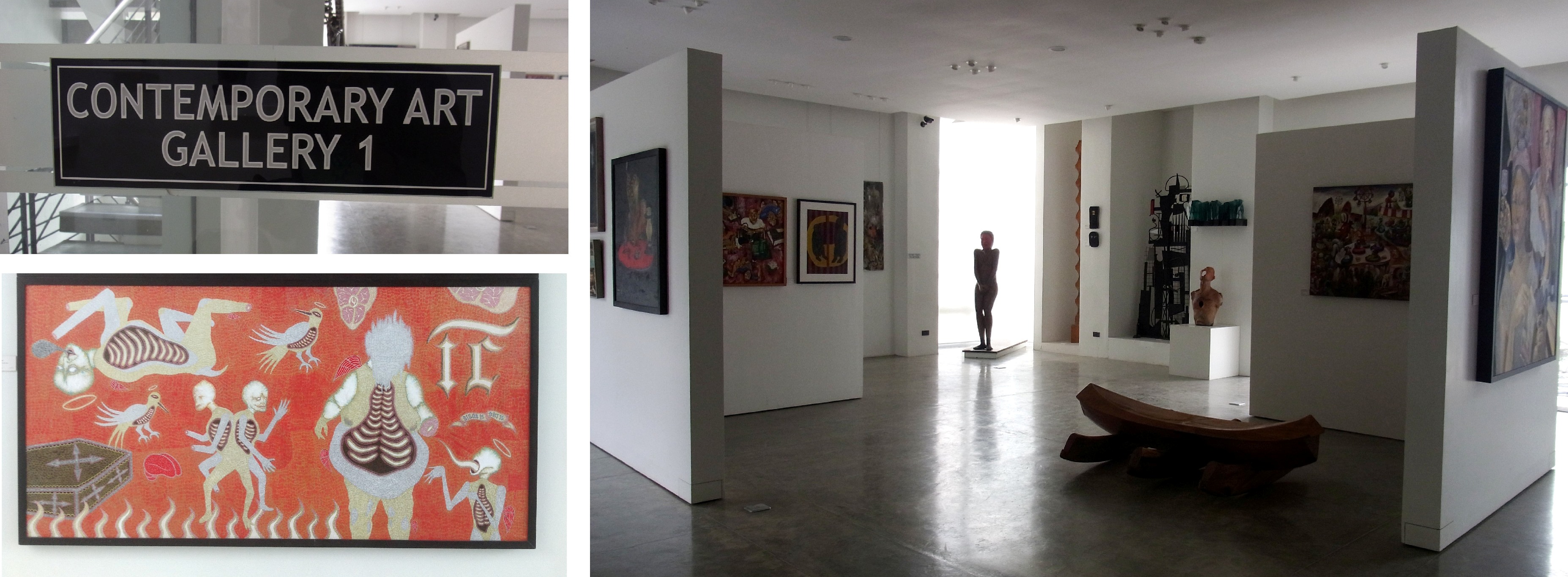
Spending the afternoon there was both comfortable and relaxing. The entire place felt like a work of art. It’s no surprise that it was so beautifully designed, given that it was crafted by one of the Philippines’ most celebrated artists, Mr. Benedicto Reyes Cabrera, more famously known as BenCab.
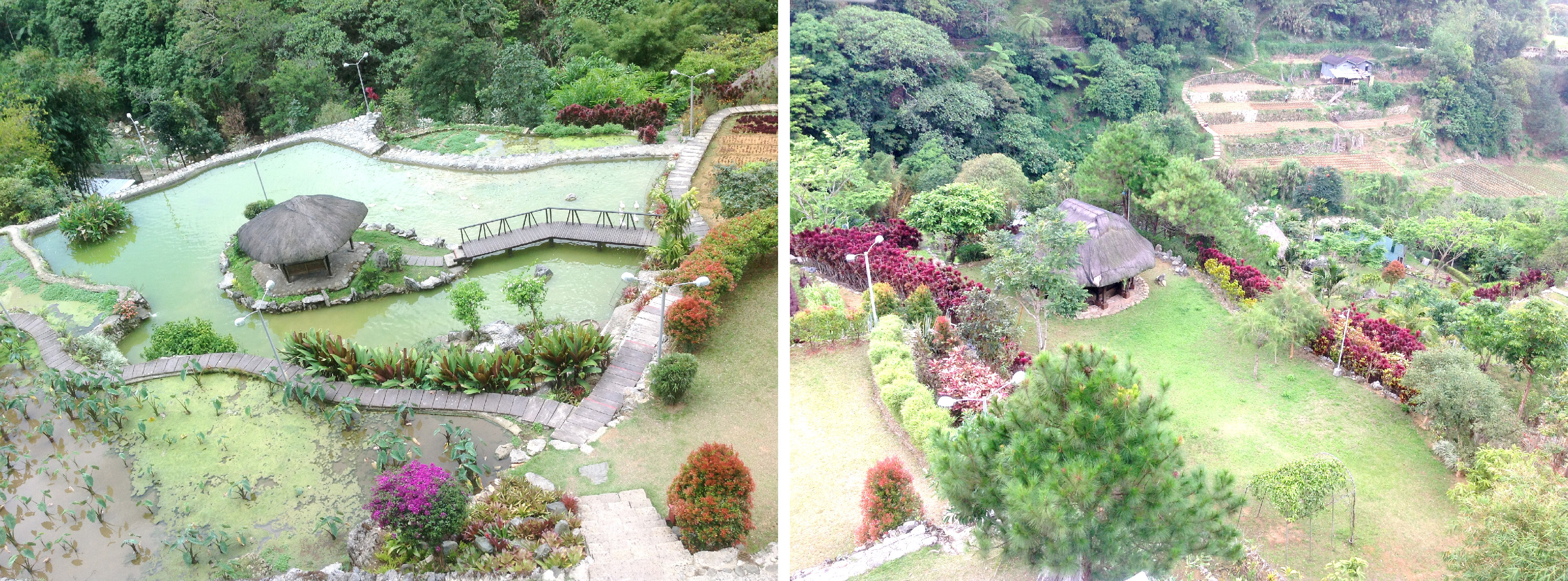
The entire experience was absolutely wonderful! We went to the BenCab Museum expecting to enjoy art, but what we found was so much more. In that moment, I was certain—Baguio is a truly spiritual place. It’s a haven where you can reconnect, recharge, and renew your spirit!
Many thanks to Catalina Africa, Kawayan, Sean, Santos, and everyone in Baguio!!! :)
 細着藝術 SUAVEART